Happy Birthday, Medicare!

July 24, 2014

July 30th marks the 49th anniversary of the establishment of the Social Security Act Amendments. In 1965, on this date, President Lyndon B. Johnson signed into law what is better known as the Medicare law. This established both Medicare, the health insurance program for Americans over 65, and Medicaid, the health insurance program for low income Americans. You can read this Public Law in the United States Statutes at Large on GPO’s Federal Digital System (FDsys).

President Lyndon Johnson signs the Medicare Bill. President Harry S. Truman is seated next to him. Others looking on include Lady Bird Johnson, Vice President Hubert Humphrey, and Bess Truman. July 30, 1965. Photo courtesy of Lyndon B. Johnson Presidential Library, U.S. National Archives

President Lyndon Johnson signs the Medicare Bill. President Harry S. Truman is seated next to him. Others looking on include Lady Bird Johnson, Vice President Hubert Humphrey, and Bess Truman. July 30, 1965. Photo courtesy of Lyndon B. Johnson Presidential Library, U.S. National Archives

Former President Harry S. Truman participated in the signing ceremony with President Johnson at the Truman Presidential Library in Independence, Missouri. President Truman’s participation served to recognize his effort during his administration to establish a national health insurance program. President Truman and former first lady, Bess Truman, received Medicare registration cards numbers one and two.

on the occasion of the signing of the Social Security Amendments of 1965 in Independence, Missouri. Photo courtesy of Lyndon B. Johnson Presidential Library, U.S. National Archives

This is the Medicare card believed to have been given to Harry Truman by President Lyndon on the occasion of the signing of the Social Security Amendments of 1965 in Independence, Missouri. Photo courtesy of Lyndon B. Johnson Presidential Library, U.S. National Archives

The 1950 Census showed that the aged population in the U.S. had grown from 3 million in 1900 to 12 million in 1950. The jump was even greater between 1950 and 1963, growing from 12 million to 17.5 million, a large number of whom had no health insurance. It’s no surprise that in the program’s first three years, nearly 20 million beneficiaries enrolled in Medicare.

Fast forward to today, and Medicare provides health insurance to about 50 million Americans. The Centers for Medicare and Medicaid Services (CMS), a division of the U.S. Department of Health and Human Services (HHS), administers the program.

Finding Medicare information and services has never been easier than with www.medicare.gov.

Using the site, users can access a wide array of services. Some examples include:

  • Signing up for Medicare;
  • Modifying Medicare plans;
  • Finding health and drug plans;
  • Learning about different levels of coverage and how to sign up for each, various costs, and supplements and other insurance;
  • Determining if specific tests or services are covered;
  • Filing a complaint, claim, or appeal;
  • Checking the status of any application, claim, or pending action;
  • Finding doctors, providers, hospitals, and suppliers;
  • Accessing forms, resources, and personal assistance;
  • Changing one’s address; and
  • Reporting lost or stolen Medicare cards.

In addition to that, the site offers access to podcasts, videos, and blogs that are not only interesting, but very informative. You can also connect with Medicare via Twitter and YouTube.

The U.S. Government Printing Office (GPO) also provides access to a wide variety of Medicare resources. The U.S. Government Bookstore sells the CMS-1500, the standard health insurance claim form developed by the National Uniform Claim Committee and used by all non-institutional medical providers or suppliers to bill Medicare carriers. It is also used to bill some Medicaid State Agencies.

GPO also provides access to an array of Medicare resources through its Catalog of U.S. Government Publications (CGP), including a collection of free eBooks. Through the CGP, users can access the descriptive catalog record for each publication, as well as a direct link to any publication that available online. Some of the free eBooks available on Medicare topics are:

The CGP and FDsys provide access to a wide variety of other Government documents related to Medicare. Here is just a small sampling:

You can also access countless Federal Government documents related to Medicare at Federal depository libraries nationwide. Find the Federal depository nearest you by visiting the Federal Depository Library Directory.

Happy Birthday, Medicare, and here’s to many more years of helping the American public!

How can I find these Medicare publications?

In addition to clicking on the links in the article above to find the publications, you may find these publications from the following:

And to find popular current Federal publications, you may:

  • Shop Online Anytime: You can buy eBooks as well as print publications (with FREE Standard Shipping worldwide) from the U.S. Government Online Bookstore website at http://bookstore.gpo.gov
  • Order by Phone: You may also Order print editions by calling GPO’s  Customer Contact Center Monday through Friday, 8 am to 5:30 pm Eastern (except US Federal holidays). From US and Canada, call toll-free 1.866.512.1800. DC or International customers call +1.202.512.1800.
  • Shop our Retail Store: Buy a copy of any print editions at GPO’s retail bookstore at 710 North Capitol Street NW, Washington, DC 20401, open Monday–Friday, 9 a.m. to 4 p.m., except Federal holidays, Call (202) 512-0132 for information or to arrange in-store pick-up.

About the author: Our guest blogger is Kelly Seifert, Lead Planning Specialist for GPO’s Library Services & Content Management Division that supports the Federal Depository Library Program.


I’ve got the Whole World in my Hands…

July 15, 2014

World Factbook 2013-14You know you just sang the title of this blog. Now that I have your attention, let me tell you how you can have the whole world in your hands. Pick up the latest edition of The World Factbook 2013-14, currently available from the GPO Bookstore. Jam-packed with a plethora of information, it’s a one-stop reference for everyone from the youngster who has a geography project to a college student researching the economic climate in other countries.


cia logo

The World Factbook is prepared by the Central Intelligence Agency (CIA)

For those of you who are new to the World Factbook, here are a few key facts:

  • It is prepared by the Central Intelligence Agency.
  • The first unclassified version of the Factbook was published in 1971.
  • The 1975 Factbook was the first to be made available to the public with sales through the US Government Printing Office (GPO)
  • In 1981, it officially became The World Factbook.

The World Factbook 2013-14 provides the latest statistical facts for 267 countries and regions around world. Each entry begins with a small black and white map of the country or territory. It goes on to give a brief background introduction, the geography, people and society, government, economy, energy, communications, transportation, military, and transnational issues. The publication also contains maps that present the physical features and political boundaries of each nation, as well as, the standard times zones of the world and the official flag of each country.

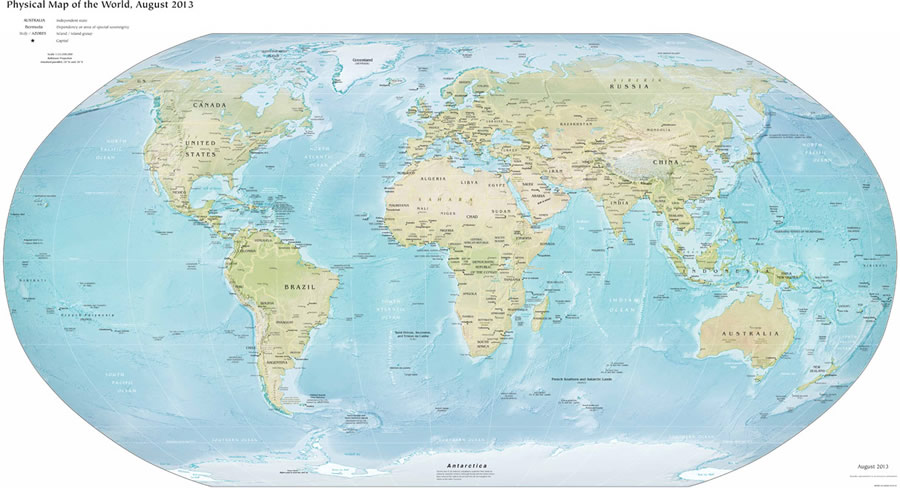
This image of the Physical Map of the World is one of several maps included the World Factbook

This image of the Physical Map of the World is one of several maps included in the World Factbook.

The World Factbook is filled many interesting facts. For instance, did you know that Russia and Japan have not formally ended World War II? According to the World Factbook, “the sovereignty dispute over the islands of, Etorofu, Kunashiri and Shikotan and the Habomai group, known in Japan as the ‘Northern Territories’ and in Russia as the ‘Southern Kuril islands,’ occupied by the Soviet Union in 1945, now administered by Russia and claimed by Japan, remains the primary sticking point to signing a peace treaty formally ending World War II hostilities.”

Other interesting facts, as well as recent updates to various categories and maps can all be found in the World Factbook 2013-14.

Take a journey into the Factbook to learn what you didn’t know about the world we live in.

HOW DO I OBTAIN THE WORLD FACTBOOK 2013-14?

Shop Online Anytime: You can buy these publications (with FREE Standard Shipping worldwide) from the U.S. Government Online Bookstore website at http://bookstore.gpo.gov:

Order by Phone: You may also Order print editions by calling our Customer Contact Center Monday through Friday, 8 am to 5:30 pm Eastern (except US Federal holidays). From US and Canada, call toll-free 1.866.512.1800. DC or International customers call +1.202.512.1800.

Shop our Retail Store:Buy a copy of any print editions from this collection at GPO’s retail bookstore at 710 North Capitol Street NW, Washington, DC 20401, open Monday–Friday, 9 a.m. to 4 p.m., except Federal holidays, Call (202) 512-0132 for information or to arrange in-store pick-up.

Visit a Federal Depository Library:Search for U.S. Government publications in a nearby Federal depository library. You can find the records for most titles in the Catalog of U.S. Government Publications or CGP.

About the author: Faith Johnson is an Outreach and Support Librarian for the U.S. Government Printing Office’s Library Services & Content Management division.

Additional content, images and editing provided by Trudy Hawkins, a writer and marketing specialist in GPO’s Publication & Information Sales Division supporting the U.S. Government Online Bookstore (http://bookstore.gpo.gov).


Civil War Defenses of Washington & the 150th anniversary of the Battle of Fort Stevens

July 10, 2014

Gettysburg, Manassas, and Antietam are famous Civil War battles remembered for President Lincoln’s address, the turning point of the war, and the bloodiest battle of the war. They are also battles that took place in states surrounding Washington, DC – within 100 miles of the nation’s capital. This week marks the 150th anniversary of the only and relatively unknown battle that took place in Washington, DC, the Battle of Fort Stevens.

024-005-01232-0[1]A Historic Resources Study: The Civil War Defenses of Washington by the Department of Interior’s National Park Service follows the history of efforts to defend Washington, DC from the city’s conception in the 1790s to the Civil War and the Battle of Fort Stevens. This publication is very descriptive painting a clear picture of what Washington, DC was like during the Civil War. The Union constructed a fortification system to protect Washington, DC that by the end of the war consisted of 68 enclosed forts and batteries, emplacements for 1,120 guns, and 20 miles of rifle-trenches. Because the city was the capital and the location of war departments and bureaus it had the largest collection of supplies, equipment, and materials. In the Foggy Bottom area where the Kennedy Center, George Washington University, and the Department of State currently sit, there was a depot of 30,000 horses and mules and the Washington Monument grounds housed an Army cattle-slaughtering yard.

Battle-of-Fort-Stevens[1]

Company F, 3d Regiment Massachusetts Heavy Artillery assembled at Fort Stevens. Photo by William Morris Smith, courtesy Library of Congress.

The Battle of Fort Stevens is the grand finale of the publication. After establishing the condition and role of the Washington, DC during the war, the book goes into step-by-step detail of the battle. Here is my perceived synopsis of the Battle of Fort Stevens: General Robert E. Lee of the Confederate army gave orders to Lieutenant General Jubal Early to threaten Washington, DC, which had remained largely untouched during the war. Early led his troops through Virginia and Maryland, taking part in different skirmishes along the way. On July 9 at the Battle of Monocacy near present-day Frederick, Maryland, Early defeated the Union army, thereby opening up the route to Washington, DC. The Battle of Monocacy temporarily stalled Early, giving General Ulysses Grant more time to send reinforcement troops to defend the capital – ultimately derailing Early’s efforts. The Battle of Fort Stevens started on July 11 and ended with Early withdrawing his troops by July 13. The Confederate troops moved towards the Capitol along Georgetown Pike and Rockville Pike culminating in the Battle of Fort Stevens, which took place with the Capitol dome in sight – six miles away – on what was mostly open farm area around present-day Georgia Avenue near Rock Creek Park. The reinforcements sent by Grant and reports suggesting more Union troops were coming caused Early to retreat and end his pursuit of the city.

battle-of-fort-stevens-925[1]

Battle of Fort Stevens Map courtesy Civil War Preservation Trust

GPO’s early history is intertwined with the Civil War. One of GPO’s most significant print jobs was the preliminary version of the Emancipation Proclamation produced in September 1862. Aside from production work done by the agency as part of the war effort, some GPO employees were part of the Interior Department Regiment organized to protect the city. With the threat of General Early closing in on Washington, employees were called on to defend the city but not needed when the reinforcement troops sent by General Grant arrived.

During the 150th anniversary of the Civil War, think beyond the famous battles of the war and remember the skirmishes and other important battles like the Battle of Fort Stevens that may be unknown but are just as important.

HOW DO I OBTAIN THIS PUBLICATION?

Shop Online Anytime: You can buy these and other publications (with FREE Standard Shipping worldwide) from the U.S. Government Online Bookstore website at http://bookstore.gpo.gov:

Shop our Retail Store: Buy a copy of any print editions from this collection at GPO’s retail bookstore at 710 North Capitol Street NW, Washington, DC 20401, open Monday–Friday, 9 a.m. to 4 p.m., except Federal holidays, Call (202) 512-0132 for information or to arrange in-store pick-up.

Order by Phone: Call our Customer Contact Center Monday through Friday, 8 am to 5:30 pm Eastern (except US Federal holidays). From US and Canada, call toll-free 1.866.512.1800. DC or International customers call +1.202.512.1800.

Visit a Federal Depository Library: Search for these in a nearby Federal depository library.

About the author: Our guest blogger is Emma Wojtowicz, Public Relations Specialist in GPO’s Office of Public Affairs.


Notable Government Documents 2013 – Winners

June 27, 2014

ALA Notable Government Documents 2013Each year, the American Library Association’s (ALA) GODORT Notable Documents Panel selects what it considers to be the most “Notable Government Documents” published during the previous year by Federal, state, and local governments and includes the list of winners in its prestigious Library Journal (LJ). Typically, many of the Federal publications it picks are available through the Government Printing Office’s U.S. Government Online Bookstore.

Library Journal LogoKnown as “the most trusted and respected publication for the library community,” LJ provides groundbreaking features and analytical news reports covering technology, management, policy and other professional concerns to public, academic and institutional libraries. Its hefty reviews sections evaluate 8000+ reviews annually of books, ebooks, audiobooks, videos/DVDs, databases, systems and websites.

According to LJ, “This year’s list of notable documents includes titles on cultural heritage, globalism, diversity and gender equality, lifelong learning, and the environment.” Here are Federal Government documents available through GPO that were selected as Most Notable for 2013.

The Iraq War 2003-2011The Iraq War 2003-2011 “Focusing entirely on the self-sacrifice of military personnel and not on the politics, this chronology tells its story primarily through color photographs and minimal text. Emphasizing the successes of the coalition forces, it centers on medal of honor winners, the wounded, and the dead.” – LJ

A Sense of Place Design Guidelines for Yosemite National ParkA Sense of Place: Design Guidelines for Yosemite National Park “Revised and expanded from the 2004 edition, this history of development in ¬Yosemite covers up to the present. With maps and historical images, the authors attempt to influence the design ethic of future park developers and establish guidelines so that successive plans are compatible with the rhythms and spirit of Yosemite’s landscape and scenery.” – LJ

You Cannot Surge TrustYou Cannot Surge Trust: Combined Naval Operations of the Royal Australian Navy, Canadian Navy, Royal Navy, and United States Navy, 1991-2003 “The premise of this investigation is that the U.S. military can no longer act alone as the world’s only superpower. Within the context of a general history of the role of naval power in defense policy development and using examples dating back to the Revolutionary War, Weir outlines the increasing dependence nations have on one another and argues that conflicts between partners caused by varying rules of engagement can be overcome.” – LJ

The Warren Commission ReportThe Warren Commission Report: The Official Report on the Assassination of President John F. Kennedy “Rereleased on the 50th anniversary of the Kennedy assassination, this is the online pdf version of the Warren Commission Report Summary, which condenses the contents of the 26 hearings and evidence volumes. Reproductions of forensic photos, police reports, physicians’ notes, coroners’ reports, and verbatim extracts of graphic witness testimony supplement the story of that tragic day in Dallas in 1963.” – LJ

Congratulations to the publishers of these deserving award winning publications!

How can you get these publications from this year’s Federal Notable Government Documents collection?

Shop Online Anytime: You can buy these and other publications (with FREE Standard Shipping worldwide) from the U.S. Government Online Bookstore website at http://bookstore.gpo.gov:

Shop our retail bookstore at 710 North Capitol Street NW, Washington, DC 20401, open Monday-Friday, 9am to 4pm, except Federal holidays, (202) 512-0132.

Order by Phone: Call our Customer Contact Center Monday through Friday, 8 am to 5:30 pm Eastern (except US Federal holidays). From US and Canada, call toll-free 1.866.512.1800. DC or International customers call +1.202.512.1800.

Visit a Federal Depository Library: Search for U.S. Government publications in a nearby Federal depository library. You can find the records for most titles in the Catalog of U.S. Government Publications or CGP.

About the author: Trudy Hawkins is a writer and marketing specialist in GPO’s Publication & Information Sales Division supporting the U.S. Government Online Bookstore (http://bookstore.gpo.gov).


Celebrating National Safety Month: Resources and Publications

June 19, 2014

2014SafetyMonth-FeatureJune is National Safety Month. The National Safety Council (NSC) sponsors this month-long event for calling attention to key safety issues, showcasing safety resources, and raising awareness for the prevention of safety concerns and hazards.

The NSC provides access to a variety of educational National Safety Month materials, available on their Web site for free to NSC members. If your organization isn’t already a member, you can join right from their site. They also provide access to many free materials for the general public. Anyone can sign up to receive the free materials via email.

The National Safety Month Web page also provides access to a free Home Safety Checklist to help you identify common risk areas within your home.

You can also follow the NSC’s safety chat on Twitter at #NSM14.

The U.S. Government Printing Office’s U.S. Government Bookstore offers an entire collection of publications devoted to safety issues: the Emergency Management and First Responders collection. Many of the publications in this collection have been highlighted in previous Government Book Talk posts, like this one from January 2014 that focused on preparing for extreme cold and other natural and man-made disasters and showcased the publication, “Are You Ready? An In-Depth Guide to Citizen Preparedness.” Also highlighted in the post are some books for kids on safety preparedness: “Ready…Set…Prepare! A Disaster Preparedness Activity Book for Ages 4-7,” “Ready…Set…Prepare! A Disaster Preparedness Activity Book for Ages 8-11,” and “Watch Out – Storms Ahead! Owlie Skywarn’s Weather Book.” The Federal Emergency Management Agency also has tons of resources on their site to help the public prepare for disasters of all kinds.

In addition, Federal depository libraries nationwide provide the public with free access to Federal Government publications on a wide variety of topics, including safety and emergency management and prevention. Locate a library in your area!

017-033-00508-7One publication in this collection is particularly interesting, especially in light of the frequent and tragic mine accidents we hear about on the news. “When Do You Take Refuge? Decisionmaking During Mine Emergency Escape – Instructor’s Guide and Lesson Plans” is an interesting booklet created by the National Institute for Occupational Safety and Health of the Centers for Disease Control and Prevention, Department of Health and Human Services. The training program was designed to help trainees practice correct decisionmaking skills during an underground mine emergency. It actually consists of three parts: a computer-based training that includes scenario simulation (included as a CD-ROM), the instructor’s guide and lesson plans, and an evaluation (both included in the booklet).

The material was designed for underground coal miners, but it is fascinating for anyone who wants a glimpse into this hazardous occupation. The lesson plan portion of the training is filled with real-life examples of emergency scenarios and “summary teaching points” to highlight the lessons. This interesting look into the life of a coal miner brings to light the need for strict safety measures in any occupation. National Safety Month reminds us that safety should be everyone’s priority, both at home and on the job.

How can I get this publication?

Shop Online Anytime: You can buy this and other publications mentioned in this blog (with FREE Standard Shipping worldwide) from the U.S. Government Online Bookstore website at http://bookstore.gpo.gov:

Shop our retail bookstore at 710 North Capitol Street NW, Washington, DC 20401, open Monday-Friday, 9am to 4pm, except Federal holidays, (202) 512-0132.

Order by Phone: Call our Customer Contact Center Monday through Friday, 8 am to 5:30 pm Eastern (except US Federal holidays). From US and Canada, call toll-free 1.866.512.1800. DC or International customers call +1.202.512.1800.

Visit a Federal Depository Library: Search for U.S. Government publications in a nearby Federal depository library. You can find the records for most titles in the Catalog of U.S. Government Publications or CGP.

About the author: Our guest blogger is Kelly Seifert, Lead Planning Specialist for GPO’s Library Services & Content Management Division that supports the Federal Depository Library Program.


Federal Resources for Food and Nutrition Planning

June 11, 2014

News concerning the debate over changes to the School Lunch Program has brought the topic of child nutrition and health to the forefront, in recent weeks. As government and school officials debate this important topic, Government Book Talk takes a look at the Food and Nutrition Information Center Resources CD-ROM currently available from the GPO Online Bookstore.

Resource Lists CD-ROMThe Food and Nutrition Information Center Resources CD-ROM from the U.S. Department of Agriculture (USDA), Food and Nutrition Information Center (FNIC) contains a plethora of useful information related to various food and nutrition programs, such as the National School Lunch Program. It particularly offers guidance to help nutrition professionals and consumers locate information and materials on specific food and nutrition topics, such as Child Nutrition and Health, Food and Nutrition Education, School Food Service, and much more. Compiled by Nutrition Information Specialists, these Resource Lists provide resources in a variety of formats including articles, pamphlets, books, audio-visuals, and Web links.

This resource list excerpt from 2008 for educators provides resource information on cultural and ethnic food nutrition.

This resource list excerpt from 2008 for educators provides resource information on cultural and ethnic food nutrition.

The vast information contained on this CD-ROM from the National Agriculture Library collection will prove to be a great resource for parents, educators, school food service professionals and child care providers. Child Nutrition Programs including before/after school and children’s summer municipal camp programs will also benefit from these resource lists for nutritional guidance and food planning for their summer and new school year child nutrition initiatives.

The FNIC website contains over 2500 links to current and reliable nutrition information.

The FNIC website contains over 2500 links to current and reliable nutrition information.

About the FNIC

According to its website, the FNIC is a leader in food and human nutrition information. Located at the National Agricultural Library (NAL) of USDA, the FNIC provides credible, accurate, and practical resources for nutrition and health professionals, educators, government personnel and consumers. To learn more about the FNIC and its various resource lists topics visit the FNIC website.

In addition to the Food and Nutrition Information Center Resources CD-ROM, the USDA has published the following print publication focusing on nutrition and diet, which is also available from the U.S. Government Bookstore.Dietary Guidelines for Americans

The Dietary Guidelines for Americans, 2010 offers advice regarding nutrition to promote health and to reduce risk for major chronic diseases through diet and physical activity. The publication is oriented toward policymakers, nutrition educators, nutritionists, and healthcare providers. It summarizes and synthesizes knowledge regarding individual nutrients and food components into recommendations for a pattern of eating that can be adopted by the public. Key Recommendations listed by chapter include: Balancing Calories to Manage Weight; Foods and Food Components to Reduce; Foods and Nutrients to Increase; Building Healthy Eating Patterns; and Helping Americans Make Healthy Choices. It also explains the new food plate which replaced the food pyramid.

How can I get these federal resources on Food and Nutrition Planning?

Shop Online Anytime: You can buy these and other publications (with FREE Standard Shipping worldwide) from the U.S. Government Online Bookstore website at http://bookstore.gpo.gov:

Shop our retail bookstore at 710 North Capitol Street NW, Washington, DC 20401, open Monday-Friday, 9am to 4pm, except Federal holidays, (202) 512-0132.

Order by Phone: Call our Customer Contact Center Monday through Friday, 8 am to 5:30 pm Eastern (except US Federal holidays). From US and Canada, call toll-free 1.866.512.1800. DC or International customers call +1.202.512.1800.

Visit a Federal Depository Library: Search for U.S. Government publications in a nearby Federal depository library. You can find the records for most titles in the Catalog of U.S. Government Publications or CGP.

About the author: Trudy Hawkins is a writer and marketing specialist in GPO’s Publication & Information Sales Division supporting the U.S. Government Online Bookstore (http://bookstore.gpo.gov).


Commemorating the 70th Anniversary of D-Day

June 4, 2014

Friday June 6 is the 70th anniversary of D-Day when 160,000 Allied troops landed on the beaches of Normandy, France and successfully began to turn the tide of World War II against Nazi Germany. The World War II generation is aging and passing on and with them goes a first-hand account of history. Soon, we will have to rely on books, documentaries, and other secondary sources as the official account of history. Luckily, the federal government is a repository of information with publications relating to World War II. Commemorate the 70th anniversary of D-Day with these federal titles:

D-Day The 6th of June PosterD-Day: The 6th of June: A commemorative two-sided, full color historical map/poster with accompanying graphics and chronology of the World War II Normandy Invasion on the coast of France on June 6, 1944 from the National Geospatial-Intelligence Agency.

Normandy Air Campaign Historical MapNormandy Air Campaign: Historical Map: A colored map of fighter patrol areas on D-Day featuring the assault area and the main shipping route in Normandy, France from the National Geospatial-Intelligence Agency.

Omaha BeachheadOmaha Beachhead (June 6-13, 1944): A historical narrative focusing on American military operations in France during the month of June 1944 including D-Day in Normandy from the Department of Defense Center of Military History Armed Forces in Action Series.

Normandy The US Army Campaigns of WWIINormandy: The U. S. Army Campaigns of World War II: Part of a series of 40 illustrated brochures that describe campaigns the U.S. Army troops participated in during the war with a focus on strategic setting, tracing the operations of the major American units involved, and analyzing the impact of the campaign on future operations from the Department of Defense Center of Military History Armed Forces.

United States Army in World War II European Theater of Operations Cross-Channel AttackUnited States Army in World War II: European Theater of Operations, Cross-Channel Attack: The first volume of the European Theater of Operations set covering the prelude to the June 6, 1944 assault and combat operations of the First U.S. Army in Normandy until July 1, 1944 from the Department of Defense Center of Military History Armed Forces.

Command DecisionsCommand Decisions: A book analyzing decisions reached by chiefs of state and their military subordinates during World War II with a focus on important political, strategic, tactical, and logistical questions, including the invasion Normandy as well as the use of the atomic bomb, the capture of Rome, the campaigns in the western Pacific, and the internment of Japanese-Americans from the Department of Defense Center of Military History Armed Forces.

HOW DO I OBTAIN THESE PUBLICATIONS?

Shop Online Anytime: You can buy these and other publications (with FREE Standard Shipping worldwide) from the U.S. Government Online Bookstore website at http://bookstore.gpo.gov:

Shop our Retail Store: Buy a copy of any print editions from this collection at GPO’s retail bookstore at 710 North Capitol Street NW, Washington, DC 20401, open Monday–Friday, 9 a.m. to 4 p.m., except Federal holidays, Call (202) 512-0132 for information or to arrange in-store pick-up.

Order by Phone: Call our Customer Contact Center Monday through Friday, 8 am to 5:30 pm Eastern (except US Federal holidays). From US and Canada, call toll-free 1.866.512.1800. DC or International customers call +1.202.512.1800.

Visit a Federal Depository Library: Search for these in a nearby Federal depository library.

About the author: Our guest blogger is Emma Wojtowicz, Public Relations Specialist in GPO’s Office of Public Affairs.


Commemorate the Anniversary of Arlington National Cemetery through Government Documents

May 20, 2014

150th ANCThis year marks the 150th anniversary of the designation of Arlington National Cemetery. On May 13, 1864, the body of Private William Henry Christman of Pennsylvania was laid to rest on the grounds of Arlington House, the former home of Gen. Robert E. Lee until the Civil War. Private Christman was the first soldier laid to rest at Arlington National Cemetery, one month prior to its official establishment as a military cemetery. The first of many events to be held this summer commemorating this important anniversary, began on May 13, 2014 with the laying of a wreath at Private Christman’s grave. Special Guided Tours are also planned, through the months of May and June. The events conclude with a laying of a wreath at the Tomb of the Unknown Soldier on June 16th.

A wreath is placed at the grave of Army Private William Christman, the first person laid to rest at Arlington National Cemetery. Image source: www.dcmilitary.com

A wreath is placed at the grave of Army Private William Christman, the first person laid to rest at Arlington National Cemetery. Image source: http://www.dcmilitary.com

There are many Government documents available to learn more about the Civil War, Arlington House, and the designation and history of Arlington National Cemetery. For a brief history, check out the U.S. Department of Veterans Affairs publication, Arlington National Cemetery. You can also check out this fact sheet about the history and development of all VA National Cemeteries.

Arlington House and the development of Arlington National Cemetery

The National Park Service (NPS) has published several publications regarding the remarkable history of Arlington House, including the following publications, which are currently available from the U.S. Government Bookstore:

arlington houseArlington House: A Guide to Arlington House, The Robert E. Lee Memorial, Virginia. Although small in size like most NPS handbooks, this publication provides a wealth of information on the history of Arlington House. The publication opens with an introduction of General Lee and Arlington House. It also presents a brief historical account of the house and its occupants, the Custises and the Lees, as well as providing concise information on the house and its grounds.

cultural landscape reportThe National Park Service also published a Cultural Landscape Report about Arlington House in 2001. As stated in the report, “It’s hard to imagine today what the grounds of Arlington House originally looked like because of the graves of Arlington National Cemetery that surround the house. Arlington National Cemetery almost overwhelms Arlington House.” This Cultural Landscape Report and Site History about Arlington House, tells the story of the creation and use of Arlington House and its link to the formation and design of our national cemetery. It compiles in one place the site’s heritage, documents the changes over time, and establishes what is important to preserve. To learn more about Cultural Landscape Reports read A Guide to Cultural Landscape Reports: Contents, Process, and Techniques available from the GPO Bookstore. You can also read Custis-Lee Mansion: The Robert E. Lee Memorial online from the National Park Service, or check out a print copy at a local Federal depository library.custis-lee mansion

National Cemetery Burial Eligibility

Arlington National Cemetery holds about 27 funerals each week. There are several House Committee Reports regarding veterans’ eligibility for burial in Arlington. H.R. 3211 of the 105th Congress, as well as H.R. 3423 from the 107th Congress amended Title 38 of the U.S. Code to modify eligibility of burial in Arlington National Cemetery. You can access hearings, as well as the legislative history for H.R. 3423 and other bills online. You can also visit a Federal depository library for older reports concerning burials, such as a 1921 report before a subcommittee on the Expenses of burial in Arlington Cemetery of an unknown member of the Expeditionary Forces. You can also browse the volumes of “The war of the rebellion: a compilation of the official records of the Union and Confederate armies” for any records of the history of Arlington House and the appropriation of the land by the Federal government after the war. The volumes are available at many Federal depository libraries.

Arlington National Cemetery Memorials

There are many memorials at Arlington National Cemetery commemorating wars, notable military figures, presidents, and service men and women. If you visit a Federal depository library you could check out a copy of “In Remembrance of a Sailor: a shrine to America’s heroes”, a 1990 publication from the U.S. Navy Department. Information about other memorials in the cemetery can be found on the Arlington Cemetery website.

The Tomb of the Unknown Soldier

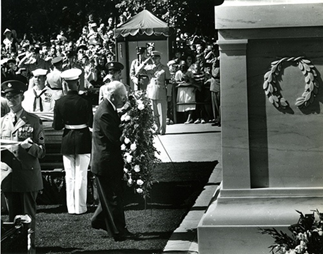
President Dwight D. Eisenhower places a wreath at the Tomb of the Unknown Soldier of World War I during interment ceremonies for the Unknown Servicemen of World War II and the Korean Conflict, at Arlington National Cemetery. Image source: Old Guard

President Dwight D. Eisenhower places a wreath at the Tomb of the Unknown Soldier of World War I during interment ceremonies for the Unknown Servicemen of World War II and the Korean Conflict, at Arlington National Cemetery. Image source: Old Guard

The Tomb of the Unknown Soldier was approved by Congress on March 4, 1921. Details of the act can be found in the Congressional Record from that period. You can visit a Federal depository library to access historic copies of the Congressional Record and view the enabling legislation for the Tomb of the Unknowns. The remains of soldiers from World War I, World War II, and the Korean War lay in state and are honored by The Old Guard. In 1984, the remains of an unknown Vietnam War soldier were interred in the Tomb of the Unknown. A document about this soldier, “The Unknown Serviceman of the Vietnam War Era” was created by the U.S. Army Center of Military History. You can read more about it at a Federal depository library, or online from the HathiTrust. Pictures of the Tomb of the Unknowns can be found on the Old Guard Pinterest Board.

If you’re not in the Washington, DC area to participate in any of the events mentioned in this blog, curl up with these documents and immerse yourself in the history and stories of the men and women who fought for our country and were laid to rest on the grounds of the National Cemetery.

How can I get these publications about the history of Arlington House and Arlington National Cemetery?

Shop Online Anytime: You can buy these and other publications (with FREE Standard Shipping worldwide) from the U.S. Government Online Bookstore website at http://bookstore.gpo.gov:

Order by Phone: You may also Order print editions by calling our Customer Contact Center Monday through Friday, 8 am to 5:30 pm Eastern (except US Federal holidays). From US and Canada, call toll-free 1.866.512.1800. DC or International customers call +1.202.512.1800.

Shop our Retail Store: Buy a copy of any print editions from this collection at GPO’s retail bookstore at 710 North Capitol Street NW, Washington, DC 20401, open Monday–Friday, 9 a.m. to 4 p.m., except Federal holidays, Call (202) 512-0132 for information or to arrange in-store pick-up.

Visit a Federal Depository Library: Search for U.S. Government publications in a nearby Federal depository library. You can find the records for most titles in the Catalog of U.S. Government Publications or CGP.

About the author: Cathy Wagner is an outreach librarian with the Education & Outreach team in the Library Services & Content Management (LSCM) division at the Government Printing Office.

Additional content, images and editing provided by Trudy Hawkins, a writer and marketing specialist in GPO’s Publication & Information Sales Division supporting the U.S. Government Online Bookstore (http://bookstore.gpo.gov).


National Military Appreciation Month: Celebrating Our Troops

May 12, 2014

may military appreciation monthMay is National Military Appreciation Month (NMAM), a time to recognize and celebrate the contributions of the courageous men and women who have served or are currently serving in the United States Armed Forces.

Designated by Congress, NMAM encourages Americans to publicly show their appreciation for the sacrifices—and accomplishments—made by our military personnel. During this important month, Americans have the opportunity to come together to thank our military for their patriotic service in support of our country, at several national events planned throughout the month.

loyalty dayLoyalty Day, which is celebrated May 1 of each year, kicks off our Nation’s month-long celebration of military appreciation. In his proclamation of Loyalty Day, 2014, President Barack Obama reminded Americans of the significance of this important day: “On this day, let us reaffirm our allegiance to the United States of America and pay tribute to the heritage of American freedom.”

Image source courtesy of DOD http://www.defense.gov/afd/

Image source courtesy of DOD http://www.defense.gov/afd/

Other important events honoring our military’s achievements include Victory in Europe (VE) Day celebrated on May 8, Military Spouse Appreciation Day celebrated on May 9, Armed Forces Day celebrated on May 17, and Memorial Day celebrated on May 26. Armed Forces Day and Memorial Day are the best known of the May military-themed holidays. Armed Forces Day, which was created to honor all branches of the U.S. Military, replaced separate Army, Navy and Air Force Days. And Memorial Day commemorates the men and women who died while serving in military service.

A man looks at the Vietnam Veterans Memorial on Memorial Day 2013: Image source nps.gov

A man looks at the Vietnam Veterans Memorial on Memorial Day 2013: Image source nps.gov

In observance of NMAM and the other important events around the country honoring our military this month, Government Book Talk is highlighting several of our bestselling military journals and magazines.

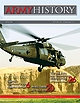
army historyArmy History is published by the U.S. Army Center of Military History (CMH). It is a professional military magazine devoted to informing the military history community about new work on the Army’s history. Issues include illustrated articles, commentaries, book reviews, and news about Army history and the U.S. Army Center of Military History.

naval avaition newsNaval Aviation News is the flagship publication of naval aviation. It covers all aspects of naval air operations. Featured articles review the latest technological advances in aircraft and weapon systems and the influence of U.S. naval air power in global events. Issues include historical profiles of aircraft, aviation ships, important aviators, and organizations that affected the Navy’s control of the air.

military review2As one of the premier military magazines/military journals, Military Review provides a forum for original thought and debate on the art and science of land warfare and other issues of current interest to the U.S. Army and the Department of Defense.

Joint Force Quarterly is designed for national security professionals in and out of the U.S. Government to promote understanding of the integrated employment of land, sea, air, space, and special operations forces. This journal focuses on joint doctrine, integrated operations, coalition warfare, contingency planning, military operations conducted across the spectrum of conflict, and joint force development.joint force quarterly

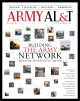
army al&tArmy AL&T Magazine is a quarterly professional journal published
by the U.S. Army Acquisition Support Center within the Office of the Assistant Secretary of the Army for Acquisition, Logistics, and Technology or AL&T. This official military magazine reports on Army research, development and acquisition and includes articles relative to state-of-the-art technology, capabilities, processes, procedures, techniques, and management philosophy, focusing heavily on lessons learned and best business practices.

How can I get these military magazine/journal publications?

Shop Online Anytime: You can buy these publications (with FREE Standard Shipping worldwide) from the U.S. Government Online Bookstore website at http://bookstore.gpo.gov:
Click here to purchase Army History

Click here to purchase Naval Aviation News

Click here to purchase Military Review

Click here to purchase Joint Force Quarterly

Click here to purchase Army AL&T

Shop our entire Military Journals and Magazines collection

Order by Phone: You may also Order print editions by calling our Customer Contact Center Monday through Friday, 8 am to 5:30 pm Eastern (except US Federal holidays). From US and Canada, call toll-free 1.866.512.1800. DC or International customers call +1.202.512.1800.

Shop our Retail Store: Buy a copy of any print editions from this collection at GPO’s retail bookstore at 710 North Capitol Street NW, Washington, DC 20401, open Monday–Friday, 9 a.m. to 4 p.m., except Federal holidays, Call (202) 512-0132 for information or to arrange in-store pick-up.

Visit a Federal Depository Library: Search for U.S. Government publications in a nearby Federal depository library. You can find the records for most titles in the Catalog of U.S. Government Publications or CGP.

About the author: Trudy Hawkins is a writer and marketing specialist in GPO’s Publication & Information Sales Division supporting the U.S. Government Online Bookstore (http://bookstore.gpo.gov).


Childhood Immunization: Protecting Our Children from Disease

April 29, 2014

National-Infant-Immunization-Week-2014The week of April 26-May 3 is National Infant Immunization Week and it is also the 20th anniversary of this observance. Vaccinations are becoming a more controversial topic among parents, doctors and schools. The New England Journal of Medicine suggests that the recent anti-vaccination movement is leading to an outbreak of whooping cough and the measles in some states.

A couple looks at Infant Care pamphlet at GPO Bookstore: GPO Archives.

A couple looks at Infant Care pamphlet at GPO Bookstore: GPO Archives.

Before you could Google information on vaccinations and family healthcare topics and have every answer at your fingertips, government publications were the go-to source for consumer information. This former trend is evident in the fact that a pamphlet entitled Infant Care is still to this day considered GPO’s all-time best seller. Infant Care was first published in 1914 by the Children’s Bureau and provided mothers with information in a low-cost form on how to care for their babies. (Read more about the history of the Children’s Bureau in The Children’s Bureau Legacy: Ensuring the Right to Childhood (ePub eBook) available on the U.S. Government Bookstore.) Over the course of seven decades it remained a bestseller with multiple editions published and translations in eight languages as well as Braille.

Excerpt on Vaccination from Infant Care pamphlet

100 years ago, this was the advice on vaccination of infants. Excerpt from 1914 Infant Care pamphlet.

The original Infant Care pamphlets can be seen on this archive. However, Vaccines for Children (VCF), a federally funded program handled by the Centers for Disease Control and Prevention (CDC) provides no-cost vaccine services to help ensure that all children, from infancy to adolescent, have a better chance of getting their recommended vaccinations.

Image source courtesy of CDC http://www.cdc.gov/features/vfcprogram

Image source courtesy of CDC http://www.cdc.gov/features/vfcprogram

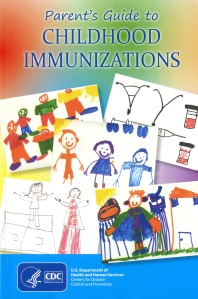
Like Infant Care, the government still has helpful publications to help parents and the public make health-related decisions. Parent’s Guide to Childhood Immunizations and Immunization Tool Kit are just two of the many government publications available on the immunization and vaccination topic.

017-022-01617-6Parent’s Guide to Childhood Immunizations is kind of like a “vaccinations for dummies.” It is a great resource that explains each disease, the vaccinations schedule, what to do before, during and after the immunization doctor visit, how vaccines work, other FAQs and additional print and electronic resources. The most helpful part of this booklet is the breakdown of each disease with information on what causes the disease, how it is spread, the signs and symptoms and complications. To brighten up what can be a scary subject, the booklet includes colorful child artwork.

immunization-tool-kitImmunization Tool Kit focuses on adult, military and childhood immunizations. This resource is made up of laminated 4X6 color coded cards held together by a ring for fast flipping making it durable and likely intended for military or health care providers, people who need a quick reference on the job. The cards are organized by immunizations for adults and the military and children with detailed information about each vaccine including a dosage, indications or who should get the vaccine, contraindications or reasons why someone should not be vaccinated and special considerations. Some of the cards have amusing caricatures of what the diseases look like. For medical personnel, there is a section on the storage and handling instructions of each vaccine. While the amount of information may seem overwhelming, the toolkit will be able to answer all or any question about vaccines.

HOW DO I OBTAIN THESE PUBLICATIONS ON VACCINATION?

Shop Online Anytime: You can buy these publications (with FREE Standard Shipping worldwide) from the U.S. Government Online Bookstore website at http://bookstore.gpo.gov:

Order by Phone: You may also Order print editions by calling our Customer Contact Center Monday through Friday, 8 am to 5:30 pm Eastern (except US Federal holidays). From US and Canada, call toll-free 1.866.512.1800. DC or International customers call +1.202.512.1800.

Shop our Retail Store:Buy a copy of any print editions from this collection at GPO’s retail bookstore at 710 North Capitol Street NW, Washington, DC 20401, open Monday–Friday, 9 a.m. to 4 p.m., except Federal holidays, Call (202) 512-0132 for information or to arrange in-store pick-up.

Visit a Federal Depository Library:Search for U.S. Government publications in a nearby Federal depository library. You can find the records for most titles in the Catalog of U.S. Government Publications or CGP.

About the author: Our guest blogger is Emma Wojtowicz, Public Relations Specialist in GPO’s Office of Public Affairs. 

Additional content, images and editing provided by Trudy Hawkins, a writer and marketing specialist in GPO’s Publication & Information Sales Division supporting the U.S. Government Online Bookstore (http://bookstore.gpo.gov).


Keeping Our Skies Safe, Part 2 of 2: Aviation safety rules and regulations

April 24, 2014

About this blog series: In this two-part blog post “Keeping Our Skies Safe”, we review the many processes and policies in place to regulate United States airspace and to protect air travelers, flight personnel and all sorts of aircraft flying U.S. skies. In “Keeping Our Skies Safe, Part 1 of 2: Aviation safety planning & response,” we covered the many aviation safety publications produced by the United States Federal Government, future plans to keep ahead of evolving flight safety issues, and U.S. emergency response.

In this post, “Keeping Our Skies Safe, Part 2 of 2: Aviation safety rules and regulations,” I wanted to go over some of the key U.S. regulations that govern the United States airspace including aircraft certifications, flight crew member certifications, pilot preparation, and airspace monitoring.

So, I began my search for information with the United States Code of Federal Regulations, commonly referred to as the CFR or CFRs, the codification or standardization of the general and permanent rules published in the Federal Register by all the departments and agencies across the entire U.S. Federal Government. Each agency’s regulations are divided among the 50 volumes of the Code of Federal Regulations. For aviation safety, we must turn to the popular Title 14, Aeronautics and Space, which covers both the US Department of Transportation — Federal Aviation Administration (FAA) regulations as well as those for the National Aeronautics and Space Administration (NASA).

Where can you find the US standards for airplane maintenance—referred to as the “airworthiness standards”— as well as the certification procedures for both large and small aircraft parts and products, such as engines?

CFR-2014-PURPLECode of Federal Regulations, Title 14, Aeronautics and Space, Pt. 1-59, Revised as of January 1, 2014

Part 1-59 primarily covers the definitions and scope of the Federal Aviation Administration within the US Department of Transportation. The section specifically includes rulemaking as well as some nuts and bolts of our US air space, such as the airworthiness standards for transport category airplanes and commuter category airplanes, manned air balloons, engines, and propellers, rotary aircraft and transport rotary aircraft, plus certification procedures for parts and products, noise standards, aircraft registration and identification markings, and more.

Where is the best place to search for U.S. regulations covering flying certification for pilots, as well as their medical standards and certifications required for them to be able to take a plane up into U.S. airspace?

Google Images- Photo image  compliments of www.flyertalk.com

Google Images- Photo image compliments of http://www.flyertalk.com

Code of Federal Regulations, Title 14, Aeronautics and Space, Pt. 60-109, Revised as of January 1, 2014

Part 60-109 covers more regulations relating to the Federal Aviation Administration within the US Department of Transportation. Specifically, this volume covers certification for pilots, flight instructors, ground instructors, flight crew members other than pilots and certification for airmen other than flight crew members. This part also includes medical standards and certifications. Air space routes, special use air space, general operating and flight rules, as well as special air traffic rules and standard instrument procedures are also included in this volume.

How about the U.S. regulations about the flight crew including flight duty limitations and drug and alcohol testing?

Google Images- Photo image compliments of pilotlights.net

Google Images- Photo image compliments of pilotlights.net

Code of Federal Regulations, Title 14, Aeronautics and Space, Pt. 110-199, Revised as of January 1, 2014

Parts 110-199 cover more regulations pertaining to the Federal Aviation Administration within the US Department of Transportation. The primary focus of this volume is the flight crew. It includes the following: General requirements, Flight duty limitations and rest requirements for flight crew members, drug and alcohol testing program. It also covers the operational requirements and certification for airplanes having a seating capacity of more than 20 passengers and covers the foreign operations and foreign operators of U.S. registered aircraft engage in common carriage. This volume also includes the operating requirements for commuter and on-demand operations and rules governing persons on board such aircraft. Pilot schools, training centers, aviation maintenance schools are also covered with regulations in this volume. Aviation insurance requirements and airport certification, property and noise compatibility planning are also covered in this volume.

Google images- Photo image compliments of flysfo.com

Google images- Photo image compliments of flysfo.com

Are there any U.S. regulations relating to tarmac delay data, domestic baggage liabilities and international cargo and passenger transportation?

Code of Federal Regulations, Title 14, Aeronautics and Space, Pt. 200-1199, Revised as of January 1, 2014

Parts 200-399 covers items, such as: the scheduled air carrier and charter trips of the United Sates; terms, conditions, and limitations on foreign air carriers, charter trips and commuter air carriers. It also covers the reporting statistics of foreign air carriers in civilian scheduled charter and non-scheduled services.

This part also contains regulations relating to airline service quality reports, tarmac delay data, direct airport-to-airport mileage records, domestic baggage liabilities, interstate cargo operations air transportation and international cargo and passenger transportation. Foreign freight forwarders and foreign cooperative shippers associations are also included in this part.

Parts 400-1199 covers license applications, safety approvals, and some regulations for the commercial space transportation including definitions, scope, rulemaking, investigations, and enforcement.

Google Images-Photo image compliments of Hawaii.gov

Google Images-Photo image compliments of Hawaii.gov

These volumes may interest the general public concerned about requirements for US flight crew members, and aircraft, especially in light of the disappearance of Malaysia Flight 370 . Aviation specialists, especially pilots and flight crew members that need to be aware of the US regulations relating certifications, airport routes, to aviation and airspace within the United Sates will also want to be aware of these essential regulations.

An online version of these volumes of the Code of Federal Regulations (CFR) can be found for free on GPO’s Federal Digital System at: http://www.gpo.gov/fdsys/browse/collectionCfr.action?collectionCode=CFR or can be purchased through the US Government Bookstore at this link: http://bookstore.gpo.gov/CFR

How can I get these Code of Federal Regulations (CFR) publications ?

  • Shop Online Anytime: You can buy these print publications (with FREE Standard Shipping worldwide) from the U.S. Government Online Bookstore website at http://bookstore.gpo.gov:
  • Order by Phone: You may also order print editions by calling our Customer Contact Center Monday through Friday, 8 am to 5:30 pm Eastern (except US Federal holidays). From US and Canada, call toll-free 1.866.512.1800. DC or International customers call +1.202.512.1800.
  • Shop our Retail Store: Buy a copy of any print editions from this collection at GPO’s retail bookstore at 710 North Capitol Street NW, Washington, DC 20401, open Monday–Friday, 9 a.m. to 4 p.m., except Federal holidays, Call (202) 512-0132 for information or to arrange in-store pick-up.
  • Visit a Federal Depository Library: Search for U.S. Government publications in a nearby Federal depository library. You can find the records for most titles in the Catalog of U.S. Government Publications or CGP.

About the Author – This week’s blog contributor is Maureen Whelan, Senior Marketing Team Leader for GPO’s Publication & Information Sales division program office in Washington, DC.  Maureen oversees print and digital content dissemination strategy and manages third party free and paid content distribution platforms and vendors such as Apple iBookstore, Google Play eBookstore, EBSCOhost, Overdrive, and more. Additionally, Maureen’s commercial publishing industry experience with publishing requirements, copyrights, product formats and content metadata and search optimization have helped Federal agencies publications be more discoverable through these consumer channels. A few examples of commercially popular Federal print books that were successfully migrated to digital include The Healthy Woman and The Basic Guide to Exporting.


Keeping Our Skies Safe, Part 1 of 2: Aviation safety planning and response

April 23, 2014

If you’re like me, hearing the speculation about the disappearance of Malaysia Flight 370 has created a number of questions in your mind about air safety in America and why the United States is taking an active role in this mystery.

malaysia-370In this two-part blog post “Keeping Our Skies Safe”, we review the many processes and policies in place to regulate United States airspace and to protect air travelers, flight personnel and all sorts of aircraft flying U.S. skies. In “Keeping Our Skies Safe, Part 1 of 2: Aviation safety planning & response,” we will cover the many aviation safety publications produced by the United States Federal Government, future plans to keep ahead of evolving flight safety issues, and U.S. emergency response.

“Keeping Our Skies Safe, Part 2 of 2: Aviation safety rules and regulations” will cover the many laws and regulations the United States has put in place to enforce these aviation best practices on everything from gliders and balloons to commercial jet airplanes.

Part 1 of 2: Aviation Safety Planning & Response

International and national aviation safety practices and adherence to them is one of the first places investigators look when reviewing an accident or disappearance of a plane such as is presumed to have happened with Flight 370. In the United States, the Federal Aviation Administration or FAA within the Department of Transportation is the Federal agency charged with the “continuing mission… to provide the safest, most efficient aerospace system in the world.” The FAA produces a number of vital publications for the entire aviation industry with guidelines, research, analysis and best practices.

SAFETY BRIEFINGS

faa-safety-briefingThe FAA Safety Briefing magazine provides updates on major US Federal Aviation Administration rule changes and proposed changes, as well as refresher information on flight rules, maintenance airworthiness, avionics, accident analysis, and other topics. A must-have for pilots, air traffic controllers, airplane maintenance personnel and anyone involved in ensuring flying safely.

(6 issues per year. Subscription price covers issues for 1 year)

FAA Safety Briefing magazine is available on a subscription basis from the US Government Bookstore and can be found here to order print copies: http://bookstore.gpo.gov/products/sku/750-002-00000-5?ctid=1736

FAA Safety Briefings individual issues can be found online here at US Federal Aviation Administration: http://www.faa.gov/

The Future of U.S. Air Travel?

What is the Federal Aviation Administration planning in order to deliver a better travel experience in the future with fewer delays and enhanced safety? How is the U.S. Federal Aviation Administration incorporating the passengers’ point of view when thinking about the future plans for the aviation experience? The answers are delivered in the Next Generation (aka “NextGen”) Plan for the FAA.

faa-next-genThe 2013 edition of the NextGen Plan serves as a roadmap of the Federal Aviation Administration’s (FAA’s) ongoing transition to NextGen and provides an overview of the benefits aircraft operators and passengers are receiving from recent NextGen improvements. NextGen is the shift to smarter, satellite-based and digital technologies and new procedures to make air travel more convenient, predictable and environmentally friendly.

Highlights of the Plan include the latest on metroplex initiatives, Performance Based Navigation growth, Automatic Dependent Surveillance-Broadcast deployments, surface collaboration and plans for future benefits. The plan devotes an entire chapter to general aviation and recognizes the growing role of this important stakeholder. The outreach document provides FAA stakeholders — including the aviation community, Congress, government oversight entities and the general public — with the latest progress in the transformation of the National Airspace System.

NextGen offers a better travel experience, with fewer delays, more predictable trips and enhanced safety.People who live near airports may experience less aircraft noise and fewer emissions. NextGen will increase the predictability and reliability of airport operations, enhancing the role of airports as economic engines for the communities they serve. NextGen is vital to preserving aviation’s significant contributions to our national economy.

You can download the FREE ePub NextGen Implementation Plan available here: http://bookstore.gpo.gov/products/sku/050-300-00005-6  or from the FAA agency website.

The U.S. Navy’s Role in Aviation Safety

us-navy-logo(Google Images –Photo image compliments of en.wikipedia.org)

The US Navy is very involved with the mysterious disappearance of Malaysia Flight 370. What do our Navy personnel responsible for protecting American by use of the oceans know about recovery of “black boxes”?

An Underwater Ice Station Zebra: Recovering a KH-9 Hexagon Capsule From 16,400 Feet Below the Pacific Ocean: Selected Declassified CIA DocumentsOne reason why the US Navy may be involved with the tracking of the submersion of the Malaysia Flight 370” black box” may be attributed to their significant expertise in this area. In fact, the US Navy has been involved in deep sea recovery for decades. As you read the story of An Underwater Ice Station Zebra: Recovering a KH-9 Hexagon Capsule From 16,400 Feet Below the Pacific Ocean: Selected Declassified CIA Documents, you will learn that the U.S. Navy ‘s advanced method at deep submersible recovery began in 1972 with the Trieste II (DSV-1). Publicly called a “data package,” the object was actually part of a U.S. spy satellite, codenamed HEXAGON. Before today’s digital technology, photo reconnaissance satellites used film, which returned to Earth in capsules ejected from the satellite. The capsules, called “buckets,” reentered Earth’s atmosphere and deployed a parachute to slow their descent.

During the first HEXAGON mission in 1971, the parachute broke off causing the bucket to crash into the ocean. This release includes photos of the capsule on the ocean floor, pictures of the Trieste II (DSV-1), and an article recounting the deepest undersea salvage then attempted.

If you would like to read about the US Navy’s fascinating recovery of the HEXAGON, you can purchase this title at the US Government Bookstore at this link: http://bookstore.gpo.gov/products/sku/041-015-00294-5

U.S. Emergency Response

When disaster strikes including transportation accidents, the US Federal Government often provides expertise to emergency responders. The U.S. has expanded its emergency response knowledge base and capacity since the World Trade Center and Pentagon attacks on 9/11 and now has many bestselling titles available relating to Disaster / Emergency Response.

Emergency Response Guidebook 2012 available at http://bookstore.gpo.govThe official Emergency Response Guidebook (ERG) is a guide for use by transporters, firefighters, police, and other emergency services personnel who may be the first to arrive at the scene of a transportation incident involving a hazardous material, such as an oil or chemical spill. It is used by first responders in:

(1) quickly identifying the specific or generic classification of the material(s) involved in the incident, and

(2) protecting themselves and the general public during this initial response phase of the incident.

The ERG is updated every three to four years to accommodate new products and technology.

This title is available for purchase at the US Government Bookstore at this link: http://bookstore.gpo.gov/products/sku/050-000-00596-8

U.S. Coast Guard Incident Management Handbook assists Coast Guard personnel in response to oil spills, search and rescue operations and other emergency situations on the water.

us-coast-guard-incident-handbookThe Coast Guard Incident Management Handbook (IMH) is designed to assist Coast Guard personnel in the use of the National Incident Management System (NIMS) Incident Command System (ICS) during multi-contingency response operations and planned events. The Incident Management Handbook is an easy reference job aid for responders. Also useful for other waterway rescue and police operations.Read the table of contents and purchase this title at this link on the US Government Bookstore: http://bookstore.gpo.gov/products/sku/050-012-00465-0

This title is also available in a Spanish-language version,Manual Para el Manejo de Incidentes / Servicios de Guardacostas and can be purchased here: http://bookstore.gpo.gov/products/sku/050-012-00473-1

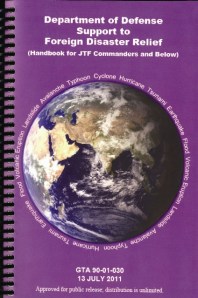
Department of Defense Support to Foreign Disaster Relief Handbook And finally, Department of Defense Support to Foreign Disaster Relief (Handbook for JTF Commanders and Below) is a manual for personnel involved in a foreign disaster relief mission, including a search for a missing airplane.

A classified version exists only for certain military personnel, but the U.S. Department of Defense (DoD) also released this unclassified version that can be used not only by members of the military, but also by anyone involved in U.S. foreign disaster response JTF (Joint Task Force) operations, including U.S. Government agencies, international organizations, Intergovernmental Organizations (IGO) and Non-Governmental Organizations (NGO).

This handbook covers the: legal authority and principles; operational context and planning factors; both supporting groups and supported foreign disaster relief organizations; and DOD guidelines for interaction with the U.S. Department of State and US Agency for International Development (US-AID) and NGOs and International Organizations such as the United Nations and International Red Cross and Red Crescent.

Read more about this information-packed handbook in our previous blog post: The U.S. military storms to the rescue in foreign disaster relief.”

How Can I get these aviation safety publications ?

  • Shop Online Anytime: You can buy these eBooks and print publications (with FREE Standard Shipping worldwide) from the U.S. Government Online Bookstore website at http://bookstore.gpo.gov:
  • Order by Phone: You may also order print editions by calling our Customer Contact Center Monday through Friday, 8 am to 5:30 pm Eastern (except US Federal holidays). From US and Canada, call toll-free 1.866.512.1800. DC or International customers call +1.202.512.1800.
  • Shop our Retail Store: Buy a copy of any print editions from this collection at GPO’s retail bookstore at 710 North Capitol Street NW, Washington, DC 20401, open Monday–Friday, 9 a.m. to 4 p.m., except Federal holidays, Call (202) 512-0132 for information or to arrange in-store pick-up.
  • Visit a Federal Depository Library: Search for U.S. Government publications in a nearby Federal depository library. You can find the records for most titles in the Catalog of U.S. Government Publications or CGP.

About the Author – This week’s blog contributor is Maureen Whelan, Senior Marketing Team Leader for GPO’s Publication & Information Sales division program office in Washington, DC.  Maureen oversees print and digital content dissemination strategy and manages third party free and paid content distribution platforms and vendors such as Apple iBookstore, Google Play eBookstore, EBSCOhost, Overdrive, and more. Additionally, Maureen’s commercial publishing industry experience with publishing requirements, copyrights, product formats and content metadata and search optimization have helped Federal agencies publications be more discoverable through these consumer channels. A few examples of commercially popular Federal print books that were successfully migrated to digital include The Healthy Woman and The Basic Guide to Exporting.