Eat Fit – Get Fit

February 3, 2017

With the start of a new year, there’s no better time than now to reset your body and spirit by not just thinking about fitness but acting on your best instincts. Turn on the TV and you’ll see many fancy dieting regimens, expensive cycling systems and “fool proof” ways to trim down (guaranteed of course!) If it was only so easy!

Or, take a moment, go online to the Government Publishing Office’s web site at https://bookstore.gpo.gov/ and check out an amazing variety of dietary guidelines and exercise guides produced by the Department of Health and Human Services and by the Department of Agriculture for your kids, family– all the way to the over 55 set. The best part is most of the materials are free in various eBook formats.

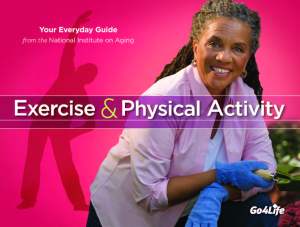
017-300-00025-3_page_001A great example is the Exercise and Physical Activity eBook. A FREE guide to how you can age well through simple exercises and good eating habits.

You can download in minutes here and be ready to take control the very same day or night.

Scan the many publications your federal government has designed for you to get started and stay engaged in better health practices.

You’ll be pleasantly surprised there’s a publication to fit the needs of everyone in your family -You included! Don’t wait.

How can I obtain health resources from the Federal government?

Shop Online Anytime: You can buy eBooks or print publications —with FREE Standard Shipping worldwide— from the U.S. Government Online Bookstore at http://bookstore.gpo.gov.

Shop our Retail Store: Buy a copy of any print editions from this collection at GPO’s retail bookstore at 710 North Capitol Street NW, Washington, DC 20401, open Monday–Friday, 9 a.m. to 4 p.m., except Federal holidays, Call (202) 512-0132 for information or to arrange in-store pick-up.

Order by Phone: Call our Customer Contact Center Monday through Friday, 8 am to 5:30 pm Eastern (except US Federal holidays). From US and Canada, call toll-free 1.866.512.1800. DC or International customers call +1.202.512.1800.

Visit a Federal depository library: Search for U.S. Government publications in a nearby Federal depository library. You can find the records for most titles in GPO’s Catalog of U.S. Government Publications.

About the author: Blogger contributor Ed Kessler is a Promotions Specialist in GPO’s Publication and Information Sales program office.


Mental Health Help from the Federal Government

January 30, 2017

The Federal government has a variety of mental health resources for people who suffer with some form of mental illness. Mental illnesses such as depression and schizophrenia as well as other mental illnesses can adversely affect the way a person thinks, feels, or acts. To help individuals suffering with depression or schizophrenia, the U.S. Department of Health & Human Services (HHS), National Institute of Mental Health recently released two new eBooks covering these important mental health topics.

9780160934421Depression: What You Need to Know (ePub)

If you have a loved one you think is suffering with depression, this comprehensive eBook provides helpful information on the signs and symptoms of depression. It methodically discusses what factors play a role in depression, as well as the types of depression and how it affects people in different ways.  It also discusses treatment and support options, and a listing of additional resources for more help.

9780160934438Schizophrenia (ePub)

Schizophrenia is described as a “chronic and severe” illness. And like depression, it affects the way a person feels, thinks and acts. This eBook describes the condition of schizophrenia and the symptoms associated with the mental disorder. Other topics include causes of schizophrenia and treatment options for individuals seeking help for a loved one.

Dealing with mental health problems can be challenging, however, these eBooks from the National Institute of Mental Health offer individuals and families much needed help in coping with mental disorders.

How can I obtain these FREE mental health resources?

Shop Online Anytime: You can buy eBooks or print publications —with FREE Standard Shipping worldwide— from the U.S. Government Online Bookstore at http://bookstore.gpo.gov.

Shop our Retail Store: Buy a copy of any print editions from this collection at GPO’s retail bookstore at 710 North Capitol Street NW, Washington, DC 20401, open Monday–Friday, 9 a.m. to 4 p.m., except Federal holidays, Call (202) 512-0132 for information or to arrange in-store pick-up.

Order by Phone: Call our Customer Contact Center Monday through Friday, 8 am to 5:30 pm Eastern (except US Federal holidays). From US and Canada, call toll-free 1.866.512.1800. DC or International customers call +1.202.512.1800.

Visit a Federal depository library: Search for U.S. Government publications in a nearby Federal depository library. You can find the records for most titles in GPO’s Catalog of U.S. Government Publications.

About the author: Blogger contributor Trudy Hawkins is the Sr. Marketing and Promotions Specialist in GPO’s Publication and Information Sales program office.


What to Read This National Diabetes Month

November 1, 2016

diabetes_blogNovember is National Diabetes Month, a spotlight on a disease that affects tens of millions of Americans. Approximately 1 out of every 11 Americans lives with diabetes. It’s one of the leading causes of disability and death in the United States. And it has rung up enormous health and financial costs over past decades. Diabetes impacts everyone and it can affect anyone.

U.S. Government agencies are working hard to slow the growing epidemic of diabetes and pre-diabetes. GPO makes available two Government resources designed to educate different segments of the population about diabetes management and prevention.

Coyote and the Turtle’s Dream

017-001-00577-1This Department of Health and Human Services (HHS) Native Diabetes Wellness Program young adult picture book discusses diabetes and wellness in American Indian/Alaska Native communities. Tender vignettes and sweeping illustrations serve as a diabetes teaching tool for young readers.

Animal and human residents of a small reservation town weave tales that combine tribal wisdom with health promotion tips. The message: eating healthy traditional foods and being active can help people with type 1 or type 2 diabetes. A lot of native youth and tribal leaders contributed to this important work—and it shows.

65+ in the United States

803-005-10065-1The world population is aging. Persons 65 years or older are expected to grow to be 21.7% of the U.S. population by 2040. This U.S. Census Bureau report examines a range of health trends among this growing population, including the alarming prevalence of diabetes. It devotes an entire chapter to diabetes, a health risk among older people that has as much to do with lifestyle as it does with genetics.

As President Obama reminds us in his 2016 National Diabetes Month proclamation, “Every year, too many Americans experience the consequences of diabetes.” He continues, “let us work to show every individual living with diabetes that they are not alone, and let us continue strengthening our investment in the fight against this disease.”

To learn more about this year’s National Diabetes Month, visit NIH’s National Diabetes Education Program website.

HOW DO I OBTAIN THESE RESOURCES?

Shop Online Anytime: You can buy eBooks or print publications —with FREE Standard Shipping worldwide— from the U.S. Government Online Bookstore at http://bookstore.gpo.gov.

Shop our Retail Store: Buy a copy of any print editions from this collection at GPO’s retail bookstore at 710 North Capitol Street NW, Washington, DC 20401, open Monday–Friday, 9 a.m. to 4 p.m., except Federal holidays, Call (202) 512-0132 for information or to arrange in-store pick-up.

Order by Phone: Call our Customer Contact Center Monday through Friday, 8 am to 5:30 pm Eastern (except US Federal holidays). From US and Canada, call toll-free 1.866.512.1800. DC or International customers call +1.202.512.1800.

Visit a Federal depository library: Search for U.S. Government publications in a nearby Federal depository library. You can find the records for most titles in GPO’s Catalog of U.S. Government Publications.

About the author: Blogger contributor Chelsea Milko is a Public Relations Specialist in GPO’s Public Relations Office.


Healthy Fathers Make Delightful Dads

June 16, 2016

fathers_dayFather’s Day is upon us. And who knows better than Mom and the kids when Dad is in the mood for family fun? It’s a good bet that if he’s eating right, getting the exercise and the rest busy guys need (though most Americans don’t), then there’s a good chance the household is a great place to be.

The keystone to happiness is one’s health, not just for Dad but the entire family. Men’s health is finally getting the attention it deserves. For a long time, it seemed as if no one realized the mighty male is as vulnerable to disease, poor vital signs and stress as is the woman of the house and the kids. Things have changed. U.S.  Health and Human Services health oriented professionals have researched and authored some great publications to ensure the men in your life have the tools to combat “the couch and – oh my aching back – syndromes.”

This year, when you celebrate Father’s Day, think about how you can do Dad one better by giving him the methods and information to support his present health regime; or if he hasn’t been all that vigilant, can jump start his journey to health and wellness. Sometime it takes the encouragement of a loved one for a strong-willed man to change directions from unhealthy to healthy. Sound familiar?

A Few Moments Browsing the GPO Online Bookstore Can Bring a Lifetime of Better Health Choices

9780160930126At last count there are over 100 publications listed at bookstore.gpo.gov that can positively impact a man’s health and that of his family too.  “Work-Out to Go”, from the National Institute on Aging, for older men can help Dads get back into a work-out routine– often after a lengthy break. It explains how to overcome a sense of “too much work doesn’t allow me time for exercise.”  Don’t let anything get in your way or his from maintaining an exercise regimen.

017-300-00025-3_Page_001Exercise and Physical Activity is an e-book, and it’s free. This easy read shows how to get started, plus how to make an exercise plan, plus many more tips for getting healthy. The Veteran’s Administration also has many publications defining health benefits and care benefits for Vets. Check out Health Care Benefits Overview, GPO Stock # 051-000-00256-3, strictly to support Vets in securing their health care needs.

Whether YOUR DAD is Young, Old, A Vet, in great shape, or not so, Father’s Day can be the day to urge him to be the man he always has been inside, just a healthier one inside and outside too.

HOW DO I OBTAIN THESE RESOURCES?

Shop Online Anytime: You can buy eBooks or print publications —with FREE Standard Shipping worldwide— from the U.S. Government Online Bookstore at http://bookstore.gpo.gov.

 Shop our Retail Store: Buy a copy of any print editions from this collection at GPO’s retail bookstore at 710 North Capitol Street NW, Washington, DC 20401, open Monday–Friday, 9 a.m. to 4 p.m., except Federal holidays, Call (202) 512-0132 for information or to arrange in-store pick-up.

Order by Phone: Call our Customer Contact Center Monday through Friday, 8 am to 5:30 pm Eastern (except US Federal holidays). From US and Canada, call toll-free 1.866.512.1800. DC or International customers call +1.202.512.1800.

Visit a Federal depository library: Search for U.S. Government publications in a nearby Federal depository library. You can find the records for most titles in GPO’s Catalog of U.S. Government Publications.

About the author: Blogger contributor Ed Kessler is a Promotions Specialist in GPO’s Publication and Information Sales program office.


A Population Health Report You Don’t Want to Ignore

April 29, 2016

The U.S. Government devotes billions of dollars to health care expenditures. It now spends more on health care than any other country in the world. Pretty much everyone can agree that pouring money into something is senseless without tackling the systemic problems that obstruct success. So, it’s time to turn heads to the subject of population health— the colossal canopy of environmental and social system health determinants. GPO makes available an Office of Behavioral and Social Sciences Research, National Institutes of Health publication that meets this topic head on.

population

Population Health: Behavioral and Social Science Insights (ePub)

This book takes a hard, systems-level look at the overall wellbeing of a population. Individual biology and specific diseases are still considered unignorably important areas of study. But that’s not the purpose of this book. The operating idea is this: if large population groups share common health risks, then population-based interventions have the potential to produce considerable impacts. The under-recognized casual relationships involving demographics and human behavior have a profound effect on life expectancy and health-related quality of life.

Population Health: Behavioral and Social Science Insights The text is sectioned into 23 chapters that zero in on demographic and social epidemiological perspectives, behavioral risk policies, biological factors, healthcare investment and economics, and emergent population health tools. Here are a few takeaways to get you thinking…

  • “Despite spending far more on health care than any other nation, the United States ranks near the bottom on key health indicators. This paradox has been attributed to underinvestment in addressing social and behavioral determinants of health.”
  • “The vast majority of deaths in the United States and worldwide are due to non-communicable diseases (NCD) like cancer, cardiovascular disease (CVD), diabetes, and respiratory disease. The key determinants of these mortality rates are behavioral and social risk factors that include smoking, use of drugs and alcohol, poor diet, and lack of physical activity.”
  • “Of the $2.9 trillion in annual health-related expenditures, about 97 percent is devoted to health care, while only 3 percent is devoted to factors outside of the health care system. In other words, 97 percent of the investment is chasing the potential for 10 percent of the benefit, while as little as 3 percent of the expenditure is devoted to factors that may explain 50 to 90 percent of the potential benefit.”

This report is a push for more interdisciplinary, structural approaches to public health practice. Hopefully, an understanding of population-level health delivery and outcomes will hasten multi-level solutions. Altogether, there is still so much to learn about the effects of various behavioral and social factors on the way health and health care is improved upon. It’s the kind of learning that can’t come fast enough. Because the return on investment will likely be extended life expectancy and improved quality of life for everyone.

HOW DO I OBTAIN THIS FREE EBOOK?

Shop Online Anytime: You can buy eBooks or print publications —with FREE Standard Shipping worldwide— from the U.S. Government Online Bookstore at http://bookstore.gpo.gov.

 Shop our Retail Store: Buy a copy of any print editions from this collection at GPO’s retail bookstore at 710 North Capitol Street NW, Washington, DC 20401, open Monday–Friday, 9 a.m. to 4 p.m., except Federal holidays, Call (202) 512-0132 for information or to arrange in-store pick-up.

Order by Phone: Call our Customer Contact Center Monday through Friday, 8 am to 5:30 pm Eastern (except US Federal holidays). From US and Canada, call toll-free 1.866.512.1800. DC or International customers call +1.202.512.1800.

Visit a Federal depository library: Search for U.S. Government publications in a nearby Federal depository library. You can find the records for most titles in GPO’s Catalog of U.S. Government Publications.

About the author: Our guest blogger is Chelsea Milko, Public Relations Specialist in GPO’s Public Relations Office.


Understanding Memory Loss with Two NIH eBooklets

November 3, 2015

A recent National Institutes of Health-funded study found that out-of-pocket health care costs for dementia are greater than for any other disease. Such a serious disease with a serious price tag calls for comprehensive, accurate information to answer specific questions.

The NIH National Institute on Aging Alzheimer Disease Education and Referral Center (ADEAR, an appropriately reassuring acronym) has got you covered. Given that November is Alzheimer’s Awareness Month, it’s a fitting time to peruse their two free eBooks—available in English and Spanish—on the topics of Alzheimer’s disease and memory loss.

9780160930157Understanding Alzheimer’s Disease

Forgetfulness happens to everyone. We all have those foggy moments when we misplace car keys or blank on a person’s name. When those occurrences worsen over time, a more serious problem may exist. This digital booklet plainly outlines AD causes, signs, treatment, research, and caregiver guidance. In addition, there’s a section on how to join clinical trials looking into prevention and treatment of AD and Mild Cognitive Impairment (MCI).

Understanding Memory Loss

For those dealing with age-related cognitive degeneration, medical terminology can cause a cloud of confusion. This booklet, and as well as the publication above, contains a simplified “words to know” glossary. It also addresses signs of serious memory problems, provides tips for coping with cognitive decline, and lays out the difference between forgetfulness and real memory impairment.9780160930133

Maybe you’re a health professional searching for current information on cognitive health and memory loss. Maybe you’re a caretaker looking to educate a loved one on what to do when they have trouble remembering. The knowledge journey for memory loss sufferers and their support network is not easy—minds are astir with questions and hearts weigh heavy with concern. But it’s really good to know that important dementia research conducted by the U.S. Government is just a few clicks away.

How do I obtain these FREE downloadable eBooks?

Shop Online Anytime: You can buy eBooks or print publications —with FREE Standard Shipping worldwide— from the U.S. Government Online Bookstore at http://bookstore.gpo.gov.

Shop our Retail Store: Buy a copy of any print editions from this collection at GPO’s retail bookstore at 710 North Capitol Street NW, Washington, DC 20401, open Monday–Friday, 9 a.m. to 4 p.m., except Federal holidays, Call (202) 512-0132 for information or to arrange in-store pick-up.

Order by Phone: Call our Customer Contact Center Monday through Friday, 8 am to 5:30 pm Eastern (except US Federal holidays). From US and Canada, call toll-free 1.866.512.1800. DC or International customers call +1.202.512.1800.

Visit a Federal depository library: Search for U.S. Government publications in a nearby Federal depository library. You can find the records for most titles in GPO’s Catalog of U.S. Government Publications.

About the author: Our guest blogger is Chelsea Milko, Public Relations Specialist in GPO’s Office of Public Affairs. 


Health in the United States—One Publication to Rule Them All

October 27, 2015

Health, United States, 2014, With Special Feature on Adults Ages 55 to 64; Health Statistics 2014 in BriefIn timely fashion for Health Literacy Month, the U.S. government has ONE HEALTH PUBLICATION TO RULE THEM ALL. Oh, sorry. Let me just turn off caps lock. Good…now where was I?

Health. Yes! Health, United States, 2014 from the Centers for Disease Control and Prevention (CDC) National Center for Health Statistics is the source code you need if you want to know the health status of a nation. This annual overview of trends in national health and well-being contains pages of eye-widening statistics on all manner of health conditions and behaviors. Sure, it’s an omnibus of charts and trend tables. But it’s also an education in the health determinants of Americans. No contrivance or filter here. Just plain ‘ol actionable data. A heap of it. So, I will pull out a few choice pieces.

Take the special feature that explores baby boomer health. This graying 55-64 age group is fast approaching the Medicare years and the assemblage of chronic diseases that come with it. The book states that the two leading causes of death for this group are cancer and heart disease. No surprise there. But what is rather interesting to note is that this pre-retirement age group is the most diverse of its kind ever. Of course, the CDC’s health statisticians are wise to consider those socioeconomic and demographic differences and how they relate to key health measures. That’s good data work, folks.

There’s one data set I’m sure we’re all interested in: life expectancy at birth. It’s a measure, according to

Life expectancy at birth

Click image to enlarge.

the publication, that is “often used to gauge the overall health of a population.” Americans are living longer—in 2013, the average age reached 78 for men and 81 for women.

There’s such a bounty of telling stats that a summary here can’t do justice. That’s why the CDC included a trusty In Brief companion to the encyclopedic volume. And if any data nerds out there want to comb through spreadsheets, each section includes links to reference materials.

There’s something refreshingly empowering about reading health information in raw form, to stare down the portrait of American health straight on. So go ahead. Take this set of health facts and figures—the one health publication to rule them all—and use it for good.

How do I obtain this publication?

Shop Online Anytime: You can buy eBooks or print publications —with FREE Standard Shipping worldwide— from the U.S. Government Online Bookstore at http://bookstore.gpo.gov.

Shop our Retail Store: Buy a copy of any print editions from this collection at GPO’s retail bookstore at 710 North Capitol Street NW, Washington, DC 20401, open Monday–Friday, 9 a.m. to 4 p.m., except Federal holidays, Call (202) 512-0132 for information or to arrange in-store pick-up.

Order by Phone: Call our Customer Contact Center Monday through Friday, 8 am to 5:30 pm Eastern (except US Federal holidays). From US and Canada, call toll-free 1.866.512.1800. DC or International customers call +1.202.512.1800.

Visit a Federal depository library: Search for U.S. Government publications in a nearby Federal depository library. You can find the records for most titles in GPO’s Catalog of U.S. Government Publications.

About the author: Our guest blogger is Chelsea Milko, Public Relations Specialist in GPO’s Office of Public Affairs. 


September 13: Kids Take Over the Kitchen Day

September 10, 2015

What do you think is the only job in the world that is 24 hours a day, 7 days a week, and no pay? I am sure you guessed it; parenthood. Although well worth it, being a parent is a hard, tiring job. Parents often find themselves bogged down after going through a full day of work to come home to work another full time shift; taking care of your children. As adults, it is recognized how busy and time consuming parenthood is. Parents do not ask for pity while doing their duty, but it is always nice to give parents a break every now and then. Parents must find time to play with their children, help them with homework, pick out their clothes, bathe them, and feed them, among many other things.

Parents often travel home every day asking themselves “what will we have for dinner tonight?” (And if they don’t ask themselves that, their kids will remind them really fast) Then depending on what they decide on, they then have to get the ingredients. Cooking a good, healthy dinner for a family can take a good amount of time and energy depending on the dish. I’m sure if kids, let’s say at the age of 10, fully recognized all the things that really goes into being a parent they would find themselves maybe asking “what can I help with to give my parent a little rest?”

017-001-00572-0I’m sure parents often find themselves saying “I really wish my kids knew how to cook.” Well that wish may not be too far off. The National Heart and Lung Institute presents Deliciously Healthy Family Meals (Cookbook) as a cookbook designed for families and parents that want to keep cooking a family affair. The book includes many kid-friendly recipes that are pretty easy to grasp without needing much assistance from a parent. Not only are these recipes and tips kid-friendly, but also heart-healthy. It is loaded with tips on meal planning, meal preparation, and nutritional facts to keep obesity and other health issues at bay. Deliciously Healthy Family Meals (Cookbook) also starts to teach children how to be self-sufficient by learning how to cook quality meals for themselves. Life skills and quality experience that will stay with them forever.

How do I obtain Deliciously Healthy Family Meals (Cookbook)?

Shop Online Anytime: You can buy eBooks or print publications —with FREE Standard Shipping worldwide— from the U.S. Government Online Bookstore at http://bookstore.gpo.gov.

Shop our Retail Store: Buy a copy of any print editions from this collection at GPO’s retail bookstore at 710 North Capitol Street NW, Washington, DC 20401, open Monday–Friday, 9 a.m. to 4 p.m., except Federal holidays, Call (202) 512-0132 for information or to arrange in-store pick-up.

Order by Phone: Call our Customer Contact Center Monday through Friday, 8 am to 5:30 pm Eastern (except US Federal holidays). From US and Canada, call toll-free 1.866.512.1800. DC or International customers call +1.202.512.1800.

Visit a Federal depository library: Search for U.S. Government publications in a nearby Federal depository library. You can find the records for most titles in GPO’s Catalog of U.S. Government Publications.

About the author: Avery Poole is a Summer Intern in GPO’s  Publication and Information Sales office.


Celebrate Doctors Day – March 30th with Publications for the Physician produced by the US Federal Government

March 30, 2015

doctors dayThe United States Federal Government produces a broad array of topical medical-related publications that may appeal to the physicians — primary care, chiropractors, pediatricians, surgeons, elder care physicians, gynecologists, physical and occupational therapists. This blog showcases a few publications that may appeal to these medical-focused professionals serving patients of all ages that may have a variety of ailments.

Observation-Based Posture Assessment Review of Current Practice and Recommendations for ImprovementThe chiropractor or physical/occupational therapist may be interested in the Center for Disease Control’s report: Observation-Based Posture Assessment: Review of Current Practice and Recommendations for Improvement can be used to help practitioners assess postural stress of the trunk and upper limbs in a workplace environment.

Parent’s Guide to Childhood ImmunizationsFor pediatricians advising parents of children about vaccinations and immunizations, the Parent’s Guide to Childhood Immunizations (Packages of 10) is an economical way for doctors, especially pediatricians, and pediatric specialists to provide guidance in plain language to parents and caregivers of school-aged children.

(Photo compliments of safe surrender.org from Google Images download)

(Photo compliments of safe surrender.org from Google Images download)

Pediatric Surgery and Medicine for Hostile EnvironmentsPediatric Surgery and Medicine for Hostile Environments may provide a helpful reference in a trauma crisis impacting a child that may be suitable for emergency room doctors, staff, and critical pediatric surgeons s faced with handling gun shot or bomb explosive wounds in children.

Emergency Surgery, 4th US RevisionEmergency Surgery, 4th US Revision covers trauma surgeries, including head, face, neck, and eye injuries, to difficulties with airway breathing, amputations, abdominal injuries, infections, gynecological injuries and emergency pediatric medical care that may be impacted by a war situation, terrorist attack aftermath, earthquake, or other accidental disaster.   This title is available in print and eBook formats.

Pocket Guide to Staying Healthy at 50+Primary care physicians, especially those that have senior citizens as patients, will want to make sure that they have these resources on hand: Pocket Guide to Staying Healthy at 50+ provides guidance on immunizations, living habits, and screening tests this age group should follow to stay healthy.

Long-Term Care Services in the United States 2013 OverviewLong-Term Care Services in the United States 2013 Overview provides data on services including residents of nursing homes, residential communities, patients of home health care agencies, hospices, and participants in adult day care.

All physicians will want to have these resources available in their professional library:

Health Insurance Claims Forms (SMS-1500)Health Insurance Claims Forms (SMS-1500) -2 part snap-out package – this essential form is used to bill Medicare carriers and medical equipment durable regional carriers when a provider qualifies for a waiver from the Administrative Compliance Simplification Act (ACSA)and can also be used for billing some Medicaid State agencies.

Health Care Act (Public Laws 111-152 and 111-148)Health Care Act (Public Laws 111-152 and 111-148) is the primary, full-text and authoritative source on the “ins and outs” of the Patient Protection and Affordable Care Act commonly referred to as “Obamacare” or “Obama Care.”

How can I get these publications?

Shop Online: You can purchase these publications from the U.S. Government Online Bookstore at http://bookstore.gpo.gov by clicking on the title links above in this blog post.

Order by Phone: Call our Customer Contact Center Monday through Friday, 8 am to 5:30 pm Eastern (except US Federal holidays). From US and Canada, call toll-free 1.866.512.1800. DC or International customers call +1.202.512.1800.

Shop our Retail Store: Buy a copy of any print editions from this collection at GPO’s retail bookstore at 710 North Capitol Street NW, Washington, DC 20401, open Monday–Friday, 9 a.m. to 4 p.m., except Federal holidays, Call (202) 512-0132 for information or to arrange in-store pick-up.

Visit a Federal Depository Library: Search for one of these publications in a nearby Federal depository library.

About the author: This week’s blog contributor is Maureen Whelan, Senior Marketing Team Leader for GPO’s Publication and Information Sales program office in Washington, DC. Maureen oversees print and digital content dissemination strategy and manages third party free and paid content distribution through platforms and vendors, such as Apple iBookstore, Barnes and Noble.com, Google Play eBookstore, Ebscohost databases, Overdrive, and more.


Now Available: Scientific Report of the 2015 Dietary Guidelines Advisory Committee

March 4, 2015
(Image source nationalnutritionmonth.org)

(nationalnutritionmonth.org)

March is National Nutrition Month, a great time to focus on the importance of developing good eating habits. To coincide with this important event about maintaining a healthy diet, the Dietary Guidelines Advisory Committee has just released its 2015 scientific report. The report which includes recommendations that will eventually be incorporated into the Dietary Guidelines for Americans, 2015 provides new changes, in contrast to previous guidelines. For instance, until now, overconsumption of cholesterol was long considered to be bad for the American diet. However, according to the recommendations outlined in the new report, cholesterol is no longer “a nutrient of concern.” To read more about this and other eye opening revelations contained in the report, which is now available through the DietaryGuidelines.gov website, see information below.

From HHS Office of Disease Prevention and Health Promotion (ODPHP)

Get Involved: The “Scientific Report of the 2015 Dietary Guidelines Advisory Committee” (Advisory Report) is now open for public review and comment. An official announcement will also publish in the Federal Register. To read the Advisory Report and submit your comments, visit DietaryGuidelines.gov.

Advisory Report: An advisory committee of independent experts – the 2015 Dietary Guidelines Advisory Committee (or Committee) – has submitted its report to the Secretaries of the Department of Health and Human Services (HHS) and Agriculture (USDA). The “Scientific Report of the 2015 Dietary Guidelines Advisory Committee” describes findings from the Committee’s review of the scientific evidence on diet, nutrition, and health, and will help inform the next edition of the Dietary Guidelines.

Upcoming Public Meeting: HHS and USDA will host a public meeting at the National Institutes of Health in Bethesda, Maryland on Tuesday, March 24, 2015 to receive public oral comments on the “Scientific Report of the 2015 Dietary Guidelines Advisory Committee.” Meeting registration for in-person and webcast registration will open March 9, 2015 on www.DietaryGuidelines.gov.

Those interested in providing oral testimony will be able to specify their request upon registration. Capacity for oral testimony is limited to 70 individuals with 10 on stand-by. Testimony participants will be accepted on a first-come, first-served basis. The meeting facility provides ample space for in-person attendance and live webcast viewing will be available. Oral testimony can only be given in-person.

Next Steps: HHS and USDA will use the Advisory Report along with input from federal agencies and public comments to develop the next edition of the Dietary Guidelines for Americans. HHS and USDA will release the Dietary Guidelines for Americans, 2015 by end of the year.

Interested in more information on diet and nutrition? The U.S. Government Bookstore offers the following publications on diet, nutrition, and health.

About the author: Trudy Hawkins is Senior Marketing and Promotions Specialist in GPO’s Publication & Information Sales Division supporting the U.S. Government Online Bookstore (http://bookstore.gpo.gov).


Remembering 9/11: Tales of Heroes and Tough Lessons

September 11, 2014

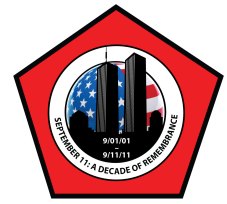
9-11 Decade of Remembrance Twin Towers and Pentagon Logo designed by David McKenzie at the Government Printing OfficeIn remembrance of the terrorist attacks of September 11, 2001, Government Book Talk revisits blogger Michele Bartram’s post from September 11, 2013.

There are certain moments and events that are etched in our national consciousness. Ask any American who was alive in the 60’s where he or she was when John F. Kennedy or Martin Luther King was assassinated and you will hear a stirring personal story. For our generation, it was September 11, 2001.

Image: September 11 Decade of Remembrance logo with World Trade Center Twin Towers surrounded by a figure representing the Pentagon. Created by David McKenzie with the Government Printing Office for the U.S. Government Bookstore.

I was right across from the Twin Towers twelve years ago today, getting ready to board a ferry for my daily commute from New Jersey across the Hudson River into Manhattan, when I saw the second plane hit the World Trade Center right across from me. So, too, I cried with a group of strangers as we stood on the ferry platform and watched in horror as the first tower fall, saw the dust cloud rise and felt the earth—and the world—tremble.

America and Americans have changed since that day… twelve years ago today. We have since heard stirring stories of heroes and sacrifice, and learned many grim lessons that are still affecting both policy and people today.

Many of these stories of heroism, missed opportunities, and resulting actions have been painstakingly and faithfully chronicled by a wide array of Federal agencies, ensuring the sacrifices and lessons are not forgotten.

Responding to the Tragedies

Both in New York and the Pentagon in Washington, DC, we saw how first responders and medical personnel rushed to save lives. These excellent publications tell the stories of the heroes from that day:

  • 008-000-01049-8Pentagon 9/11 (10th Anniversary Edition) (Paperback) includes a foreword by Secretary of Defense Leon Panetta and provides the most comprehensive account available of the 9/11 attack on the Pentagon and aftermath, including unprecedented details on the impact on the Pentagon building and personnel and the scope of the rescue, recovery, and care-giving effort.

  • 008-000-01048-0Attack on the Pentagon: The Medical Response to 9/11 not only tells the personal stories from medical personnel responding to the attack on the Pentagon, but also provides insight from MEDCOM officers detailed to New York to support National Guard troops guarding ground zero’s perimeter. It also includes the Army’s involvement in the recovery of deceased attack victims at the Pentagon and the work of the Armed Forces Institute of Pathology in identifying human remains at Dover Air Force Base. In addition, the roles of military and civilian hospital staffs and of military environmental health and mental health specialists in taking care of attack victims and their families are also examined.

Tough Lessons

The single must-read for every American about September 11 is the official version of The 9/11 Commission Report: Final Report of the National Commission on Terrorist Attacks Upon the United States. This publication lists the findings of the National 9/11 Commission, listing all the painful errors made leading up to the terrorist attacks and outlining specific recommendations for international, national, state and local changes in policy and procedures that the panel of experts felt needed to be implemented to ensure a similar attack never happened again. This seminal publication has served to inform all subsequent policies and legislation since 9/11. It is available in print or as an eBook.

911-commission-report

Image: Launch of the 9/11 Commission Report. Courtesy: CSMonitor.com

The Senate, Select Committee on Intelligence, and House, Permanent Select Committee on Intelligence examined the intelligence failures leading up to 9/11 and jointly published the results in United States Congressional Serial Set, Serial No. 14750: Joint Inquiry Into Intelligence Community Activity Before and After Terrorists Attacks of September 11, 2001 With Errata.
027-001-00097-1Additional insights into the causes of and responses to terrorism can be gleaned from Terrorism Research and Analysis Project (TRAP): A Collection of Research Ideas, Thoughts, and Perspectives, V. 1. This publication provides the findings from the post-9/11 FBI Terrorism Research and Analysis Project (TRAP) Symposium. TRAP is a leading research consortium made up of international/domestic academics and law enforcement officers, and is a working group sponsored by the FBI’s Behavioral Science Unit. In it, these counter-terrorism experts provide a better understanding of the causes of terrorist activity and possible government response tactics to mitigate terrorist actions.
064-000-00029-2As we watch the new World Trade Center going up in New York, we can be assured that builders are incorporating architectural and construction lessons learned from the World Trade Center Building Performance Study: Data Collection, Preliminary Observations, and Recommendations.

Policy and Legislative Response

United States Congressional Serial Set, Serial No. 14924, House Report No. 724, 9/11 Recommendations Implementation Act, Pts. 1-6 outlines the specific legislative changes enacted by Congress, providing both background and justifications for them along with attribution.

A print copy of the law itself can be purchased here: Implementing Recommendations of the 9/11 Commission Act of 2007, Public Law 110-53 along with the details of the various committee conferences contributing to it in Implementing Recommendations of the 9/11 Commission Act of 2007, Conference Report to Accompany H.R. 1, July 25, 2007.

Defending the Homeland since 9/11
041-001-00657-5National Strategy for Homeland Security (October 2007) provides the common framework outlined by the George W. Bush Administration to guides, organize and unify the United States’ homeland security efforts.

008-000-01068-4A new publication from the Air Force Reserve called Turning Point 9.11: Air Force Reserve in the 21st Century, 2001-2011 tells the story of how the Air Force Reserve responded to 9/11 and have contributed to the security of the United States in a post-September 11 world.

050-012-00440-4In a similar vein, Rogue Wave: The U.S. Coast Guard on and After 9/11 chronicles the involvement of the U.S. Coast Guard on that fateful day and the evolving role in national and world security since.  Part of the Coast Guard 9/11 response is told in this touching video about the boatlift to evacuate people from lower Manhattan is told in a video narrated by Tom Hanks entitled: BOATLIFT, An Untold Tale of 9/11 Resilience.”

A touching video about the boatlift to evacuate people from lower Manhattan on 9/11 (September 11) is told in a video narrated by Tom Hanks entitled: BOATLIFT, An Untold Tale of 9/11 Resilience. Click on the image above or this link to view the “Boatlift” video.

The upcoming U.S. Army War College Guide to National Security Issues, Volume 2: National Security Policy and Strategy provides a summarized look at the national security curriculum now taught to our nation’s top military and civilian leaders by the U.S. Army War College. Revised with the lessons learned from the years since 9/11, this publication includes a chapter on ”Securing America From Attack: The Defense Department’s Evolving Role After 9/11.”

How can I obtain these Federal 9/11 publications?

  • Shop Online: Print Editions of these 9/11-related publications may be ordered from the U.S. Government Online Bookstore at http://bookstore.gpo.gov, by clicking on the links above in this blog post or shopping our Terrorism & 9/11 History collection under our US & Military History category.
  • Order by Phone: Call our Customer Contact Center Monday through Friday, 8 am to 5:30 pm Eastern (except US Federal holidays). From US and Canada, call toll-free 1.866.512.1800. DC or International customers call +1.202.512.1800.
  • Visit our Retail Store: Buy copies of these publications at GPO’s retail bookstore at 710 North Capitol Street NW, Washington, DC 20401, open Monday–Friday, 9 a.m. to 4 p.m., except Federal holidays, Call (202) 512-0132 for information or to arrange in-store pick-up.
  • Find them in a Library: Find these publications in a federal depository library.

About the author: Adapted by Trudy Hawkins, Writer and Marketing Specialist in GPO’s Publication & Information Sales Division in Washington, DC, from an original post by Michele Bartram, former Government Book Talk Editor in support of the U.S. Government Online Bookstore (http://bookstore.gpo.gov).

50 Years of Progress: Smoking and Health

August 4, 2014

smoking


The time when it was acceptable for cigarette smoke to fill offices, movie theaters, and airplanes is long forgotten and now used to set historical scenes like on the television series Mad Men. Smoking on the CBS Evening News like Walter Cronkite did is considered taboo today.

However the dangers of smoking and long term effects on health began to reach the public conscience during that 1960s timeframe. This year marks the 50th anniversary of the Surgeon General’s Report on Smoking and Health. Released in 1964 during a time when smoking was common place, the health community started recognizing trends in deaths caused by lung cancer and other diseases linked to tobacco use.

GPO has made the original, digitized version of the 1964 Surgeon General’s Report on Smoking and Health through the agency’s Federal Digital System (FDsys): http://www.gpo.gov/fdsys/pkg/GPO-SMOKINGANDHEALTH/pdf/GPO-SMOKINGANDHEALTH.pdf

To coincide with the 50th anniversary of the report, the Department of Health and Human Services released The Health Consequences of Smoking: 50 Years of Progress and a companion summary booklet. The report is nearly 1,000 pages long, but the companion booklet at only 20 pages makes for an informative read. Designed with eye catching infographics, the booklet is a string of statistics and information on diseases related to smoking. There is a 50-year timeline across the bottom of the pages that shows the progress made on raising awareness on the harmful effects of smoking.

Some timeline highlights:

1964 – The Surgeon General’s Report on Smoking and Health is released and 42% of American adults smoke.
1966 – The United States is the first country to require warning labels on cigarettes.
1970 – Congress bans cigarette ads on TV and radio.
1975 – The Army and Navy stop providing cigarette rations to troops.
1986 – The Surgeon General releases a report dedicated the health effects of secondhand smoke.
1990 – Congress makes domestic airline flights smoke-free.
1994 – Tobacco company executives testify before Congress that they believe nicotine is not addictive.
2010 – Half of U.S. states and DC adopt smoke-free laws.
2014 – Fifty years after the release of the Smoking and Health Report, 18% of American adults smoke.

It is evident that life-saving progress has been made and various efforts to inform and educate the public on the harmful effects of smoking have worked. Nevertheless 500,000 people die each year from tobacco-related diseases so there is still work to be done.

no smoking

HOW DO I OBTAIN THIS PUBLICATION?

  • Shop Online Anytime: You can buy this and other publications with FREE Standard Shipping worldwide from the U.S. Government Online Bookstore website at http://bookstore.gpo.gov/
  • Buy Let\’s Make the Next Generation Tobacco-Free: Your Guide to the 50th Anniversary Surgeon General\’s Report on Smoking and Health http://bookstore.gpo.gov/products/sku/017-023-00228-7
  • Download the eBook version of The Health Consequences of Smoking—50 Years of Progress. A Report of the Surgeon General (Full Report) in ePub or Mobi (Kindle) formats for free http://bookstore.gpo.gov/products/sku/017-300-00010-5?ctid=!1
  • Download The Health Consequences of Smoking—50 Years of Progress. A Report of the Surgeon General Executive Summary in ePub or Mobi (Kindle) formats for free http://bookstore.gpo.gov/products/sku/017-300-00008-3?ctid=!1
  • Download The Health Consequences of Smoking—50 Years of Progress. A Report of the Surgeon General. Supplemental Evidence Tables in ePub or Mobi (Kindle) formats for free http://bookstore.gpo.gov/products/sku/017-300-00012-1?ctid=!1
  • Shop our Retail Store: Buy a copy of any print editions from this collection at GPO’s retail bookstore at 710 North Capitol Street NW, Washington, DC 20401, open Monday–Friday, 9 a.m. to 4 p.m., except Federal holidays, Call (202) 512-0132 for information or to arrange in-store pick-up.
  • Order by Phone: Call our Customer Contact Center Monday through Friday, 8 am to 5:30 pm Eastern (except US Federal holidays). From US and Canada, call toll-free 1.866.512.1800. DC or International customers call +1.202.512.1800.
  • Visit a Federal Depository Library: Search for these in a nearby Federal depository library.

About the Author: Our guest blogger is Emma Wojtowicz, Public Relations Specialist in GPO’s Office of Public Affairs.