A New Guide for the American Diet

September 15, 2016

001-000-04771-0Americans, your dietary guidepost for the next four years is here! The U.S. Department of Health and Human Services (HHS) and Department of Agriculture’s (USDA) Dietary Guidelines for Americans is now available through GPO. It’s designed to help folks “improve their overall eating patterns — the complete combination of foods and drinks in their diet.” Plainly put, it’s a plan for eating better.

In this latest edition of HHS and USDA’s twice-a-decade nutrition publication, you’ll see terms like “nutrient-dense” and “food pattern” over and over again. That isn’t just trendy jargon to impress policymakers and health professionals. The words have real meaning, and they represent a shift in thinking about the way Americans should eat.  That is, “people do not eat food groups and nutrients in isolation but rather in combination”—people eat food in patterns.

eat-carrot-peaDietary Guidelines doesn’t just prescribe what to eat, it reminds us why to eat. Science tells us that healthy eating patterns “can help prevent chronic diseases like obesity, heart disease and Type 2 diabetes.” Improved nutrition staves off disease. And when Americans make healthy choices in their daily lives, the long-term benefits support a healthier next generation.

001-000-04771-0_dietary-guidelines-for-americans-2015-2020-003

Click on image to enlarge.

And now, snack on a few science-based recommendations:

  • There’s more than one way to pattern and adapt your eating. Dietary Guidelines provides examples of healthy eating patterns,
  • Nutrient-dense foods are only nutrient dense if they’re made with little or no added solid fats, sugars, refined starches, and sodium. So, cut down on those things,
  • Find new ways to sneak more veggies into dishes you already prepare,
  • Women, limit yourself to one drink per day. Men, your limit is two,
  • Lifelong healthy eating begins with small changes.

If you want a handy takeaway message, it’s this: make small dietary shifts and follow a healthy, lifetime eating pattern that combines a variety of nutrient-dense foods. Or simpler yet, eat for the long run, eat to live.

Update: The 2015-2020 Dietary Guidelines for Americans, is now available in a variety of convenient digital formats compatible with mobile phones, tablets, and e-readers.

See all the available formats for the Dietary Guidelines.

HOW DO I OBTAIN THIS PUBLICATION?

Shop Online Anytime: You can buy eBooks or print publications —with FREE Standard Shipping worldwide— from the U.S. Government Online Bookstore at http://bookstore.gpo.gov.

 Shop our Retail Store: Buy a copy of any print editions from this collection at GPO’s retail bookstore at 710 North Capitol Street NW, Washington, DC 20401, open Monday–Friday, 9 a.m. to 4 p.m., except Federal holidays, Call (202) 512-0132 for information or to arrange in-store pick-up.

Order by Phone: Call our Customer Contact Center Monday through Friday, 8 am to 5:30 pm Eastern (except US Federal holidays). From US and Canada, call toll-free 1.866.512.1800. DC or International customers call +1.202.512.1800.

Visit a Federal depository library: Search for U.S. Government publications in a nearby Federal depository library. You can find the records for most titles in GPO’s Catalog of U.S. Government Publications.

About the author: Blogger contributor Chelsea Milko is a Public Relations Specialist in GPO’s Public Relations Office.


Great Lessons in Small Packages—Tree Books for Kids

August 30, 2016

Great things do come in small packages! In the case of this blog post, the small packages are children’s books that bring to life the themes of growth and nature. GPO makes available two colorfully-illustrated, nature-based publications from the United States Department of Agriculture (USDA) that are ideal for parents and educators, too!

The Little Acorn

001-001-00687-4We usually think of acorns as the staple snack of squirrels. And that they are. In the case of this delightful storybook from the USDA Natural Resources Conservation Service, an acorn can also represent the magic of growing up.

The Little Acorn is written from the perspective of a foraging squirrel who buries an acorn near a stream. As it occasionally checks back on the oak nut, the squirrel bears witness to the tree’s growth amid seasonal and ecological changes. Spring rains, summer heat, and autumn winds condition the baby oak. Its thirsty roots stretch out and it learns that all living things need water to grow.

What starts as a tiny seed encased in a tough shell eventually transforms into a “big, beautiful oak tree…dropping little acorns of its own.”

Why Would Anyone Cut a Tree Down?

001-000-04759-1Sometimes it is necessary to cut trees. Trees have lifecycles—they sprout, mature, grow old, die—and their seeds can be planted to grow new trees. For a renewable resource like trees to healthily propagate, diseased or hazardous trees must be cut down and removed. What sounds like severe measures is actually a good thing for the environment.

This U.S. Forest Service publication teaches kids that “people need to cut some trees down, but that is not the end of the story.” It explores various uses for wood from cut trees—such as materials for construction, nutrients for fresh soil, and stumps for new shoots. The book also includes a note to adults about the basics of tree care.

Cutting down a tree is a form of caring for that tree. It makes room for more life in the exchange of another. Eighteenth century botanist Carl Linnaeus said it best when he wrote “if a tree dies, plant another in its place.”

HOW DO I OBTAIN THESE PUBLICATIONS?

Shop Online Anytime: You can buy eBooks or print publications —with FREE Standard Shipping worldwide— from the U.S. Government Online Bookstore at http://bookstore.gpo.gov.

 Shop our Retail Store: Buy a copy of any print editions from this collection at GPO’s retail bookstore at 710 North Capitol Street NW, Washington, DC 20401, open Monday–Friday, 9 a.m. to 4 p.m., except Federal holidays, Call (202) 512-0132 for information or to arrange in-store pick-up.

Order by Phone: Call our Customer Contact Center Monday through Friday, 8 am to 5:30 pm Eastern (except US Federal holidays). From US and Canada, call toll-free 1.866.512.1800. DC or International customers call +1.202.512.1800.

Visit a Federal depository library: Search for U.S. Government publications in a nearby Federal depository library. You can find the records for most titles in GPO’s Catalog of U.S. Government Publications.

About the author: Blogger contributor Chelsea Milko is a Public Relations Specialist in GPO’s Public Relations Office.


Teaching our Children about Making Healthy Food Choices

August 15, 2016

Maintaining good health and nutrition has become a major issue for many families in the United States. Today, many Americans are lacking in physical activity and proper nutrition, either because of their sedentary lifestyles, or because they are “too busy.” As a result of this, the frequency of making healthy food choices has diminished.

Discover MyPlate: Emergent Readers - A MyPlate MealTherefore, it is important that children learn early on about the importance of nutrition, fitness and the well-being of their bodies. The United States Department of Agriculture (USDA) Food and Nutrition Service has created Discover MyPlate: A MyPlate Meal, an eBook that serves as a meal and fitness guide for children. It includes fun interactive games about nutrition, to help introduce the development of healthy food choices and physical activity lifestyles to young readers.  The child-friendly material and age appropriate games and activities will help children learn healthy habits effortlessly.

The USDA has also created a Teacher’s Kit curriculum to assist educators in the teaching of nutrition and fitness to their students. There are a number of books featured in the kit, including in the Discover MyPlate series, to teach children the importance of every food group and its relevance to one’s health. The USDA Food and Nutrition Service has done an exceptional job in their efforts of creating a child-friendly approach to nutrition and fitness.

Owning this eBook is easy, you can download it for free on the U.S. Government Bookstore website. Summer is here and the Discover MyPlate: A MyPlate Meal series are perfect reads for you and your children to become educated on the importance of nutrition and fitness.

HOW DO I OBTAIN THIS FREE RESOURCE?

Shop Online Anytime: You can buy eBooks or print publications —with FREE Standard Shipping worldwide— from the U.S. Government Online Bookstore at http://bookstore.gpo.gov.

 Shop our Retail Store: Buy a copy of any print editions from this collection at GPO’s retail bookstore at 710 North Capitol Street NW, Washington, DC 20401, open Monday–Friday, 9 a.m. to 4 p.m., except Federal holidays, Call (202) 512-0132 for information or to arrange in-store pick-up.

Order by Phone: Call our Customer Contact Center Monday through Friday, 8 am to 5:30 pm Eastern (except US Federal holidays). From US and Canada, call toll-free 1.866.512.1800. DC or International customers call +1.202.512.1800.

Visit a Federal depository library: Search for U.S. Government publications in a nearby Federal depository library. You can find the records for most titles in GPO’s Catalog of U.S. Government Publications.

About the author: Blogger contributor Alyssa Doughty is an intern in GPO’s Publication and Information Sales program office.


What to Read for National Agriculture Day

March 11, 2016

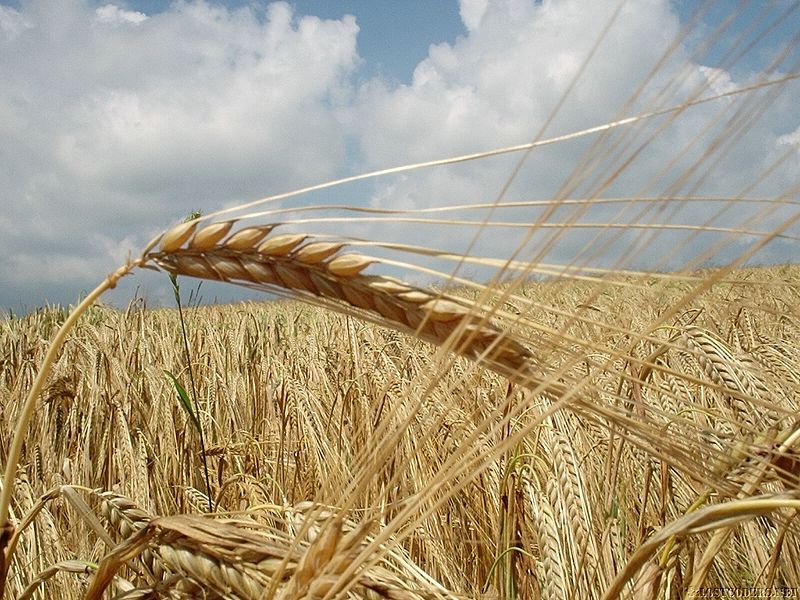
800px-Grain-field“For amber waves of grain” is my favorite lyric in the song America the Beautiful. I picture fields of honey-colored wheat, undulating in the mild breeze. Such imagery is a real thing in rural America. Those fabled farmlands of song have fed, clothed, and employed real people for generations. The agriculture industry, a linchpin of the American economy, remains competitively strong and significant today.

National Agriculture Day on March 15th recognizes the plentiful contributions of U.S. agriculture. To boost your knowledge of the essential role of agribusiness in our daily lives, check out these U.S. Department of Agriculture (USDA) resources available from the GPO bookstore.

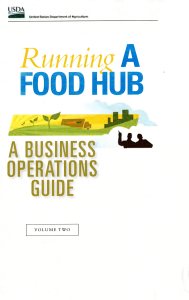
Running a Food Hub: A Business Operations Guide

001-000-04766-3This handy USDA report centers on decision points for food hub operators. What’s a food hub, you ask? It sources, aggregates, and distributes a wide array of local and regional food products. Food hubs can take on many different forms, from corporation to cooperative. Whichever way they legally and operationally organize, each has an assortment of logistics, regulations, and risks to consider.

Successful food hubs operate with the community in mind; many have a social-based mission. This guide certainly recognizes that. It includes tips on how to customize a service strategy, build in customer incentives, and chose a sale focus. Ultimately, food hubs can have “a tremendous impact on their producer-members by returning a percentage of food dollars spent.”

Read “Running a Food Hub” and grow your agribusiness acumen!

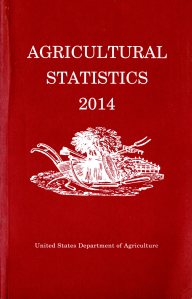
Agricultural Statistics 2014

9780160930393037USDA’s National Agricultural Statistics Service compiled this “reliable reference book” of data tables on agricultural “supplies, consumption, facilities, costs, and returns.” It’s fifteen chapters of estimates on field crops, livestock, forestry, horticulture, and other subcategories. Foreign trade data is also represented.

Big export staples like corn, cotton, wheat, potatoes, and soybeans have lots of stats on them. So, naturally, they have several data tables in this tome. Not quite the case for pickles, lima beans, inedible tallow, and pink pelts. Their part is small but vital in an industry that contributed $835 billion to the U.S. gross domestic product (GDP) in 2014, according to the USDA’s Economic Research Service.

To wrap up, here are a few ag stats to impress your friends with:

  • In 2013, the U.S. produced over 97 billion eggs
  • In 2012, milk cows produced over 200 billion pounds of milk
  • In 2013, the value of U.S. cotton production exceeded 5 billion dollars.

HOW DO I OBTAIN THESE RESOURCES?

Shop Online Anytime: You can buy eBooks or print publications —with FREE Standard Shipping worldwide— from the U.S. Government Online Bookstore at http://bookstore.gpo.gov.

Shop our Retail Store: Buy a copy of any print editions from this collection at GPO’s retail bookstore at 710 North Capitol Street NW, Washington, DC 20401, open Monday–Friday, 9 a.m. to 4 p.m., except Federal holidays, Call (202) 512-0132 for information or to arrange in-store pick-up.

Order by Phone: Call our Customer Contact Center Monday through Friday, 8 am to 4:30 pm Eastern (except US Federal holidays). From US and Canada, call toll-free 1.866.512.1800. DC or International customers call +1.202.512.1800.

Visit a Federal depository library: Search for U.S. Government publications in a nearby Federal depository library. You can find the records for most titles in GPO’s Catalog of U.S. Government Publications.

About the author: Our guest blogger is Chelsea Milko, Public Relations Specialist in GPO’s Public Relations Office.


Two Bites from MyPlate Make Eating Right Fun for Kids

March 4, 2016

Fad diets appear to be fading in popularity these days. Healthful eating plans packed with flavorful foods are making headway. Sounds sensible for adults, right? But what about kids? Young children need help to make smart choices and grow up healthy. March is National Nutrition Month, a perfect time to chat about nutritiously fueling our youngsters.

GPO makes available two U.S. Department of Agriculture (USDA), Food and Nutrition Service (FNS) nutrition education eBooks for early childhood that make eating right fun for kids. Bonus: these books have great audio and interactivity!

Discover MyPlate: A MyPlate Meal (ePub)

DMP Emergent Reader about a complete MyPlate meal

“I have apples. Nate has peas.” It’s certainly not the introduction to A Tale of Two Cities but the simplicity does grab your attention. This zippy activity book has 8 pages of illustrations and 26 words in total. It’s very easy to digest (pun intended) and doubles as a coloring book.

MyPlate illustrates the five building block food groups in the structure of a plated meal that is designed to help children to identify foods within the food groups. It’s what kids know and relate to. The dietary brains at USDA FNS know that children learn best when they can chose and try and enjoy. This resource models eat well, play well habits for life.

The Two Bite Club (ePub)

First rule of the Two Bite Club is that we don’t talk about the Two Bite Club. Just joshin’. Allow Will the cat to give his take: “Each color on the plate in the picture is a different food group. My teacher told me that if we eat two bites from each food group we can be members of the Two Bite Club!”

9780160931352This publication is available in both English and Spanish language versions (Spanish version coming soon). The Two Bite Club, and El Club de los Dos Bocados, is colored with tasty grain, fruit, vegetable, protein, and diary illustrations. At the end of the booklet is a certificate from the Two Bite Club for bravery in trying new foods. How adorably empowering!

Anna, by the feline nudging of mom and brother, discovers that just one bite can change her nutrition worldview, or should I say foodview. The “try two bites and you might like it” guidance might be just the thing to change your child’s foodview, too.

HOW DO I OBTAIN THESE RESOURCES?

You can click on the links above in the blog or through any of these methods:

Shop Online Anytime: You can buy eBooks or print publications —with FREE Standard Shipping worldwide— from the U.S. Government Online Bookstore at http://bookstore.gpo.gov.

Shop our Retail Store: Buy a copy of any print editions from this collection at GPO’s retail bookstore at 710 North Capitol Street NW, Washington, DC 20401, open Monday–Friday, 9 a.m. to 4 p.m., except Federal holidays, Call (202) 512-0132 for information or to arrange in-store pick-up.

Order by Phone: Call our Customer Contact Center Monday through Friday, 8 am to 4:30 pm Eastern (except US Federal holidays). From US and Canada, call toll-free 1.866.512.1800. DC or International customers call +1.202.512.1800.

Visit a Federal depository library: Search for U.S. Government publications in a nearby Federal depository library. You can find the records for most titles in GPO’s Catalog of U.S. Government Publications.

About the author: Our guest blogger is Chelsea Milko, Public Relations Specialist in GPO’s Public Relations Office.


Christmas Tree Manual, O Christmas Tree Manual, How Useful Is Your Guidance

December 1, 2015

That’s not the radio you just heard. It’s a fresh holiday beat from a Federal Government employee! Before you plug your ears or throw a cup full of egg nog at this blog post, please close your eyes and take a moment to think about the poor Christmas trees-in-training out there.

As they grow into canvases fit for a festoon of tinsel and popcorn garland, some Christmas trees are beset by damaging agents and mottled by disease. Insects, mites, fungi, and nematodes can lay waste to hearty spruce, pine, and fir. That all sounds so dire. Thankfully, it’s preventable and treatable. And there’s a government resource for that!  Ok, you can open your eyes now.

001-000-04764-7The United States Department of Agriculture (USDA) Forest Service’s Christmas Tree Pest Manual shows how to diagnose and control damaging Christmas tree pests. This tidy publication provides easy-to-use guidance to ensure that Christmas trees of the North Central and Northeastern regions of the United States are vigorously fit for their wintry spectacle.

A read thru of the varied afflictions listed in the manual will renew your appreciation for the health threats trees must overcome to arrive at your local home improvement store parking lot. Take the bagworm for example. While they might serve for a fitting ingredient in a wizardly potion, bagworm larvae thin foliage and render a Christmas tree unfit for sale.

In case you’re worried the topic of Christmas tree pest management is not in your wheelhouse, the manual includes some comforting language in the introduction. “You do not have to be a pest specialist to use this information. The manual was written in everyday language so that anyone with an interest in Christmas trees can read and understand it.” Whew! Now you can confidently pick up Christmas Tree Pest Manual and tell those loathsome yellow-bellied sapsuckers good riddance.

001-000-04767-1And if you’d like to take your pest manual reading to the next level, the USDA’s Major Forest Insect and Disease Conditions in the United States: 2013 is a concretely good deep-dive.

With early identification and control, injuries to stem, root, branch, and shoot don’t have to be the four horseman of the Christmas tree apocalypse. Because a winter wonderland without healthy Christmas trees is no winter wonderland at all.

How do I obtain these resources?

Shop Online Anytime: You can buy eBooks or print publications —with FREE Standard Shipping worldwide— from the U.S. Government Online Bookstore at http://bookstore.gpo.gov.

Shop our Retail Store: Buy a copy of any print editions from this collection at GPO’s retail bookstore at 710 North Capitol Street NW, Washington, DC 20401, open Monday–Friday, 9 a.m. to 4 p.m., except Federal holidays, Call (202) 512-0132 for information or to arrange in-store pick-up.

Order by Phone: Call our Customer Contact Center Monday through Friday, 8 am to 5:30 pm Eastern (except US Federal holidays). From US and Canada, call toll-free 1.866.512.1800. DC or International customers call +1.202.512.1800.

Visit a Federal depository library: Search for U.S. Government publications in a nearby Federal depository library. You can find the records for most titles in GPO’s Catalog of U.S. Government Publications.

About the author: Our guest blogger is Chelsea Milko, Public Relations Specialist in GPO’s Public Relations Office.


Our Native Flying ‘Cheetos’: Bee Basics from the USDA Forest Service

October 8, 2015

001-000-04765-5“The world as we know it would not exist if there were no bees to pollinate the earth’s 250,000 flowering plants.”

A sobering sentence straight out of Bee Basics: An Introduction to Our Native Bees, a joint publication from the U.S. Department of Agriculture (USDA) Forest Service and the Pollinator Partnership. Authors Beatriz Moisset, Ph.D. and Stephen Buchmann, Ph.D. provide a concise primer on the fundamentals and cyclical heritage of our ‘varied and valuable’ native bees.

You may know that bees are sociable, resourceful, and resilient. But did you know that some species are downright parasitically opportunistic? The cuckoo bee is a member of the exclusively parasitic Apidae family. Once it scouts out a potential host site, it furtively waits out of view until the nest is vacated. Then, in a one-two-punch move, the cuckoo bee takes up residence and its young eventually shovel down up any pollen, nectar, and larva in sight.

Buchmann’s highly detailed illustrations of these pixie pollinators show how each species’ morphology is engineered for precise pollination. Bees use wing vibration to shake off a pollen-packed anther like a polaroid picture. This “buzz pollination” is a popular dance in bee social circles. The southeastern blueberry bee uses the same technology to gorge itself on blueberry pollen. Another pollination prodigy is the megachilid bee. Gathering so much puffy yellow pollen on its abdomen, it resembles, as the authors amusingly write, “flying ‘Cheetos’ snacks coming in for a landing.”

beesorwasps

Can you identify a bee from a wasp? Excerpt from publication. Click image to enlarge.

The publication also details the homemaker behaviors of bees. The metallic-colored sweat bee is the consummate DIY designer. Nesting itself in the underside of freely-available detritus tree bark, it uses a saliva-pollen amalgam to lovingly tile the interior of its egg chambers. Some domesticating mother bees though the use of mass provisioning—storing up enough food in their brood cell nursery to sustain each larvae for the entirety of their development. New moms, take note!

Bee Basics is a great compliment to citizen science efforts to enrich and sustain a pollinator-friendly ecosystem. It concludes with a ecological call to action. The list of worrisome environmental realities are extensive: honey bee die-offs, shrinking native ranges, pesticide use, fungal infestations, and more. Protecting the ecosystem well-being of these minuscule pollinators requires a concerted conservation effort and a respect for the priceless services they provide. Bees have more than paid their dues to this planet. And for that, we are indebted.

How do I obtain this publication?

Shop Online Anytime: You can buy eBooks or print publications —with FREE Standard Shipping worldwide— from the U.S. Government Online Bookstore at http://bookstore.gpo.gov.

Shop our Retail Store: Buy a copy of any print editions from this collection at GPO’s retail bookstore at 710 North Capitol Street NW, Washington, DC 20401, open Monday–Friday, 9 a.m. to 4 p.m., except Federal holidays, Call (202) 512-0132 for information or to arrange in-store pick-up.

Order by Phone: Call our Customer Contact Center Monday through Friday, 8 am to 5:30 pm Eastern (except US Federal holidays). From US and Canada, call toll-free 1.866.512.1800. DC or International customers call +1.202.512.1800.

Visit a Federal depository library: Search for U.S. Government publications in a nearby Federal depository library. You can find the records for most titles in GPO’s Catalog of U.S. Government Publications.

About the author: Our guest blogger is Chelsea Milko, Public Relations Specialist in GPO’s Office of Public Affairs. 


Government Publications Focus on American Agriculture

April 15, 2015

grange logoApril is National Grange Month, honoring one of the Nation’s oldest and most respected farmers’ organizations. According to its website, “The National Grange, founded in 1867, is a nonprofit, nonpartisan, fraternal organization that advocates for rural America and agriculture. With a strong history in grassroots activism, family values and community service, the Grange is part of more than 2,100 hometowns across the United States.” To help recognize the Grange’s contribution to rural America, Government Book talk is featuring the following publications focusing on American agriculture.

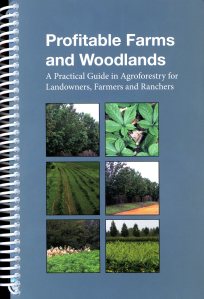
Profitable Farms and Woodlands: A Practical Guide in Agroforestry for 001-001-00694-7Landowners, Farmers and Ranchers. This practical handbook on agroforestry is organized in an easy to read format written for underserved and limited resource farmers and woodland owners living in the Southeastern U.S. It depicts step-by-step methods and principles on developing agroforestry practices for farmers and woodland owners for the purpose of enhancing the economic and environmental benefits of their farms and woodlands. Topics on agroforestry practices covered in this publication are Alley Cropping; Forest Farming; Riparian Buffer Strips; Silvopasture; and Windbreaks. This handbook will assist farmers and woodland owners establish, manage and market agroforestry projects that are diverse, integrated, profitable, healthy and sustainable.

001-000-04762-1Agricultural Statistics 2013 Agricultural Statistics is published each year to meet the diverse need for a reliable reference book on agricultural production, supplies, consumption, facilities, costs, and returns. Its tables of annual data cover a wide variety of facts in forms suited to most common use. Extensive table data include statistics of the following:
• Statistics of Grain and Feed
• Cotton, Tobacco, Sugar Crops, and Honey
• Oilseeds, Fats, and Oils
• Vegetables and Melons
• Hay, Seeds, and Minor Field Crops
• Cattle, Hogs, and Sheep
• Dairy and Poultry
• Insurance, Credit & Cooperatives
• Agricultural Conservation & Forestry
• Consumption & Family Living
• Fertilizers & Pesticides
• Miscellaneous Agricultural Statistics such as Foreign Agricultural Trade Statistics including exports, fisheries and more.

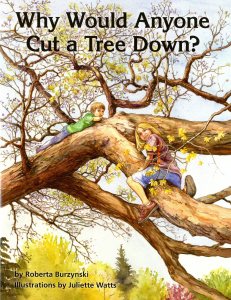
001-000-04759-1Why Would Anyone Cut a Tree Down? This delightful book shows children the life cycle of trees, showing that trees are a renewable resource as their seeds can be planted to make new trees grow. It also discusses the need to remove sick, flammable and other dangerous trees as well as the various uses for wood from cut trees. All of it is so beautifully illustrated in full color that the lessons come alive for adults and children alike.

How can I get these or other agriculture publications?

Shop Online Anytime: You can buy the following  publications (with FREE Standard Shipping worldwide) from the U.S. Government Online Bookstore website at http://bookstore.gpo.gov:

Order by Phone: You may also Order print editions by calling our Customer Contact Center Monday through Friday, 8 am to 5:30 pm Eastern (except US Federal holidays). From US and Canada, call toll-free 1.866.512.1800. DC or International customers call +1.202.512.1800.

Shop our Retail Store: Buy a copy of any print editions from this collection at GPO’s retail bookstore at 710 North Capitol Street NW, Washington, DC 20401, open Monday–Friday, 9 a.m. to 4 p.m., except Federal holidays, Call (202) 512-0132 for information or to arrange in-store pick-up.

Visit a Federal depository library: Search for U.S. Government publications in a nearby Federal depository library. You can find the records for most titles in GPO’s Catalog of U.S. Government Publications.

About the author: Trudy Hawkins is Senior Marketing and Promotions Specialist in GPO’s Publication & Information Sales Division supporting the U.S. Government Online Bookstore (http://bookstore.gpo.gov).


Now Available: Scientific Report of the 2015 Dietary Guidelines Advisory Committee

March 4, 2015
(Image source nationalnutritionmonth.org)

(nationalnutritionmonth.org)

March is National Nutrition Month, a great time to focus on the importance of developing good eating habits. To coincide with this important event about maintaining a healthy diet, the Dietary Guidelines Advisory Committee has just released its 2015 scientific report. The report which includes recommendations that will eventually be incorporated into the Dietary Guidelines for Americans, 2015 provides new changes, in contrast to previous guidelines. For instance, until now, overconsumption of cholesterol was long considered to be bad for the American diet. However, according to the recommendations outlined in the new report, cholesterol is no longer “a nutrient of concern.” To read more about this and other eye opening revelations contained in the report, which is now available through the DietaryGuidelines.gov website, see information below.

From HHS Office of Disease Prevention and Health Promotion (ODPHP)

Get Involved: The “Scientific Report of the 2015 Dietary Guidelines Advisory Committee” (Advisory Report) is now open for public review and comment. An official announcement will also publish in the Federal Register. To read the Advisory Report and submit your comments, visit DietaryGuidelines.gov.

Advisory Report: An advisory committee of independent experts – the 2015 Dietary Guidelines Advisory Committee (or Committee) – has submitted its report to the Secretaries of the Department of Health and Human Services (HHS) and Agriculture (USDA). The “Scientific Report of the 2015 Dietary Guidelines Advisory Committee” describes findings from the Committee’s review of the scientific evidence on diet, nutrition, and health, and will help inform the next edition of the Dietary Guidelines.

Upcoming Public Meeting: HHS and USDA will host a public meeting at the National Institutes of Health in Bethesda, Maryland on Tuesday, March 24, 2015 to receive public oral comments on the “Scientific Report of the 2015 Dietary Guidelines Advisory Committee.” Meeting registration for in-person and webcast registration will open March 9, 2015 on www.DietaryGuidelines.gov.

Those interested in providing oral testimony will be able to specify their request upon registration. Capacity for oral testimony is limited to 70 individuals with 10 on stand-by. Testimony participants will be accepted on a first-come, first-served basis. The meeting facility provides ample space for in-person attendance and live webcast viewing will be available. Oral testimony can only be given in-person.

Next Steps: HHS and USDA will use the Advisory Report along with input from federal agencies and public comments to develop the next edition of the Dietary Guidelines for Americans. HHS and USDA will release the Dietary Guidelines for Americans, 2015 by end of the year.

Interested in more information on diet and nutrition? The U.S. Government Bookstore offers the following publications on diet, nutrition, and health.

About the author: Trudy Hawkins is Senior Marketing and Promotions Specialist in GPO’s Publication & Information Sales Division supporting the U.S. Government Online Bookstore (http://bookstore.gpo.gov).


Federal Resources for Food and Nutrition Planning

June 11, 2014

News concerning the debate over changes to the School Lunch Program has brought the topic of child nutrition and health to the forefront, in recent weeks. As government and school officials debate this important topic, Government Book Talk takes a look at the Food and Nutrition Information Center Resources CD-ROM currently available from the GPO Online Bookstore.

Resource Lists CD-ROMThe Food and Nutrition Information Center Resources CD-ROM from the U.S. Department of Agriculture (USDA), Food and Nutrition Information Center (FNIC) contains a plethora of useful information related to various food and nutrition programs, such as the National School Lunch Program. It particularly offers guidance to help nutrition professionals and consumers locate information and materials on specific food and nutrition topics, such as Child Nutrition and Health, Food and Nutrition Education, School Food Service, and much more. Compiled by Nutrition Information Specialists, these Resource Lists provide resources in a variety of formats including articles, pamphlets, books, audio-visuals, and Web links.

This resource list excerpt from 2008 for educators provides resource information on cultural and ethnic food nutrition.

This resource list excerpt from 2008 for educators provides resource information on cultural and ethnic food nutrition.

The vast information contained on this CD-ROM from the National Agriculture Library collection will prove to be a great resource for parents, educators, school food service professionals and child care providers. Child Nutrition Programs including before/after school and children’s summer municipal camp programs will also benefit from these resource lists for nutritional guidance and food planning for their summer and new school year child nutrition initiatives.

The FNIC website contains over 2500 links to current and reliable nutrition information.

The FNIC website contains over 2500 links to current and reliable nutrition information.

About the FNIC

According to its website, the FNIC is a leader in food and human nutrition information. Located at the National Agricultural Library (NAL) of USDA, the FNIC provides credible, accurate, and practical resources for nutrition and health professionals, educators, government personnel and consumers. To learn more about the FNIC and its various resource lists topics visit the FNIC website.

In addition to the Food and Nutrition Information Center Resources CD-ROM, the USDA has published the following print publication focusing on nutrition and diet, which is also available from the U.S. Government Bookstore.Dietary Guidelines for Americans

The Dietary Guidelines for Americans, 2010 offers advice regarding nutrition to promote health and to reduce risk for major chronic diseases through diet and physical activity. The publication is oriented toward policymakers, nutrition educators, nutritionists, and healthcare providers. It summarizes and synthesizes knowledge regarding individual nutrients and food components into recommendations for a pattern of eating that can be adopted by the public. Key Recommendations listed by chapter include: Balancing Calories to Manage Weight; Foods and Food Components to Reduce; Foods and Nutrients to Increase; Building Healthy Eating Patterns; and Helping Americans Make Healthy Choices. It also explains the new food plate which replaced the food pyramid.

How can I get these federal resources on Food and Nutrition Planning?

Shop Online Anytime: You can buy these and other publications (with FREE Standard Shipping worldwide) from the U.S. Government Online Bookstore website at http://bookstore.gpo.gov:

Shop our retail bookstore at 710 North Capitol Street NW, Washington, DC 20401, open Monday-Friday, 9am to 4pm, except Federal holidays, (202) 512-0132.

Order by Phone: Call our Customer Contact Center Monday through Friday, 8 am to 5:30 pm Eastern (except US Federal holidays). From US and Canada, call toll-free 1.866.512.1800. DC or International customers call +1.202.512.1800.

Visit a Federal Depository Library: Search for U.S. Government publications in a nearby Federal depository library. You can find the records for most titles in the Catalog of U.S. Government Publications or CGP.

About the author: Trudy Hawkins is a writer and marketing specialist in GPO’s Publication & Information Sales Division supporting the U.S. Government Online Bookstore (http://bookstore.gpo.gov).


The All-in-One Guide to All Federal Assistance Programs

March 27, 2014

Catalog-of-Federal-Domestic-Assistance_2013_cover imageDid you know that the U.S. Government offers more than 2,200 Federal assistance programs to the American public? It does, and these programs serve a variety of purposes and provide a range of benefits to state and local governments, non-profit organizations, institutions, and individuals.

The one characteristic shared by these Federal assistance programs is their goal of supporting the American public. The benefits available through these programs include, but are not limited to, financial assistance and the exchange of property or services.

With so many Federal assistance programs and services available, it can be understandably difficult to keep track of them all or know where to start when looking for assistance. That’s where the Catalog of Federal Domestic Assistance — known fondly as the CFDA– comes into play! The General Services Administration maintains a database of all of these programs and publishes a comprehensive guide to the programs annually.

The 2013 Catalog of Federal Domestic Assistance assists users in identifying programs that meet their needs and obtaining general information about the program-such as how to apply for assistance, the approval process, related programs, and contact information.

What categories of U.S. Government Federal Assistance Programs are there and what information is provided on each?

Some types of Federal Assistance funding are issued via grants. To search for and track all Federal Government grants, visit Grants.gov.

Some types of Federal Assistance funding are issued via grants. To search for, apply to, and track all sorts of Federal Government grants, visit the Grants.gov website.

Each program is detailed in the CFDA, and potential users can review the details including each program’s Objectives, Types of Assistance, and the rules for applying for and using this program, including Uses and Use Restriction and Eligibility Requirements for both the grant applicant and beneficiary(ies).

Each entry also includes any Credentials/Documentation required and the Application and Award Process that must be followed to apply for , from Preapplication Coordination and Application Procedures to Award Procedure and Deadlines for submitting your application (if required).

Types of Federal assistance programs run the gamut from Formula or Project Grants to Cooperative Agreements; Direct Payments for either a specified or unrestricted use; Direct Loans or Guaranteed / Insured Loans; Insurance; Sale, exchange, or donation of Federal property or goods; Use of Federal property, facilities, or equipment; even Investigation of complaints and Advisory Services and Counseling; plus many more.

Sampling of some of the Federal Assistance Programs available

Image: Break-down of CFDA program distribution for the top five issuing agencies by dollars provided. Source: CFDA Website

Image: Break-down of CFDA program distribution for the top five issuing agencies by dollars provided. Source: CFDA.gov Website

In order to demonstrate the broad scope of these Federal assistance programs a bit more, here’s a look at some of the more interesting programs offered by these top 5 agencies that provide the most program offerings:

U.S. Department of Health and Human Services (HHS)

  • Nutrition Services Incentive Program
  • Mental Health Research Grants
  • Grants to Increase Organ Donations
  • Poison Center Support and Enhancement Grant Program

U.S. Department of the Interior (DOI)

  • Earthquake Hazards Reduction Program
  • American Battlefield Protection Grants
  • Coastal Wetlands Planning, Protection and Restoration Act Grants
  • Cooperative Endangered Species Conservation Fund

U.S. Department of Agriculture (USDA)

  • Collaborative Forest Restoration Project
  • Farmers’ Market Promotion Program
  • Animal Health and Disease Research Grants
  • Emergency Community Water Assistance Grants

U.S. Department of Justice (DOJ)

  • Missing Children’s Assistance Grants
  • Community-Based Violence Prevention Program
  • Juvenile Mentoring Program
  • Economic High-Tech and Cyber Crime Prevention Grants

U.S. Department of Housing and Urban Development (HUD)

  • Housing Counseling Assistance Program
  • Appalachia Economic Development Initiative
  • Lead-Based Paint Hazard Control Grants
  • Veterans Homelessness Prevention Program
Veterans-Homelessness-Prevention-Program
This last program, for example, the Veterans Homelessness Prevention Demonstration Program, or VHPD, is a Project Grant type assistance program which has the following stated objective:
“The purpose of the Veterans Homelessness Prevention Demonstration Program (VHPD) is to explore ways for the Federal Government to offer early intervention homelessness prevention, primarily to veterans returning from wars in Iraq and Afghanistan. The authorizing statutory language for the VHPD acknowledges the increasing number of female veterans, veterans with families especially with a single head of household, as well as those from the National Guard and Reserve who are being discharged from the military and whose unique needs should be more closely examined.”

The VHPD grant money funding is to be…

“used for short-term housing assistance, including security deposits, up to 18 months of rent assistance, rental and/or utility arrearages, or related housing assistance. Grantees may also use funding for appropriate services for veterans and their families, including, but not limited to, child care, family services and case management.”

As you can see, Federal assistance programs exist to benefit the American public in many different arenas and through a variety of methods. Whether the goal is to reduce veterans’ homelessness, to mitigate the impact of earthquakes, or to provide mentorship for young people, the 2013 Catalog of Federal Domestic Assistance is the ultimate resource and all-in-one guide for learning about the programs that are available from the U.S. Government.

After all, the public needs to be aware of these programs in order to take advantage of what they have to offer!

How can I get these and other Federal Government publications on Federal Benefits?

In addition to clicking on the links in the article above to find the publications, you may find other benefits publications from the following:

About the Authors: Guest blogger Stephanie Jaeger is Sales & Marketing Coordinator for GPO’s Sales & Marketing Division that markets GPO’s publishing services to the Federal sector.

Government Book Talk Editor Michele Bartram is Promotions and Ecommerce Manager for GPO’s Publication and Information Sales Division in Washington, DC, and is responsible for online and offline marketing of the US Government Online Bookstore (http://bookstore.gpo.gov) and promoting Federal government content to the public.


Spring forward into the garden

March 20, 2014
Baby chick hides among yellow daffodils

Image: Chick with daffodils (Source: Argonne National Laboratory, U.S. Department of Energy

Ah, spring: the season of rebirth, renewal, and growth. Breathe in the air full of the fresh blossoms of flowers, feel the first warm breezes, gaze at the profusion of color, and listen to the birds chirping and insects buzzing.

Most of the United States just went into daylight saving time on March 9 with instructions to “spring forward” with our clocks. On Thursday, March 20, 2014, we spring forward for real as it is the Spring or Vernal Equinox, fondly known as the official first day of spring. After a brutal winter and the first full month of spring and National Garden Month—April– just around the corner, many minds turn toward planting and gardening with their promise of getting back in touch with nature.

Play the Zone

Before you pull on the mud boots and pick up your gloves and tools, you’ll want to determine where you are in the USDA Plant Hardiness Zone Map for the United States. The climate where you garden affects the fruits and vegetables that you can grow successfully. Local nurseries and garden centers will typically stock plants that perform well in your climate, but it’s important to know your planting zone if you are ordering seeds, bulbs, or plants from non-local establishments.

USDA-Plant-Hardiness-Zones-Map across the U.S.

Image: USDA Plant Hardiness Zone Map (Source: USDA)

How does your garden grow?

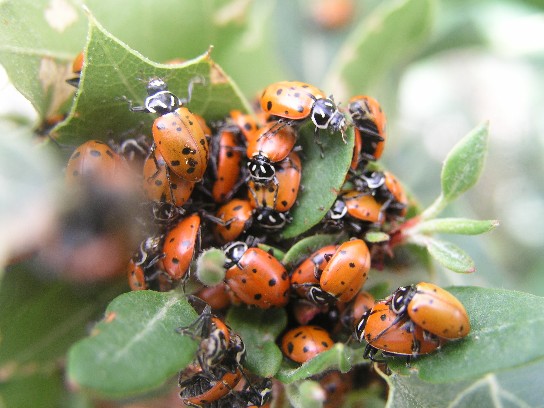
If you pore over seed catalogs, browse gardening Web sites, stroll the store aisles of soil, pots, and plants, and read gardening books in the dark winter months, then you probably have the gardening bug. You can also learn to recognize the real insects that you have in your garden with The Bug Book: A Garden Field Guide from the EPA. Gardeners can toil away only to find that someone else is enticed by the new plants; that’s when some choose to control pests by using chemicals. Be extra safe and learn about the effects of pest control, especially if you have children. Greenscaping (see this EPA guide) is an alternative method of dealing with those tiny invaders in your garden.

Lady bugs clustered on an oak branch

Image: Lady bugs gathering on an oak branch (Source: NPS)

Practice safe gardening

EPA's Mission: Sunwise Activity Book for sun safety ISBN  9780160917097In any outdoor activity, you want to be safe and healthy in the garden. While you are digging away and pulling weeds, you can get quite a sunburn or get dehydrated. The EPA’s Mission: Sunwise Activity Book helps educate kids on how to be safe in the sun and to use sunscreen. Check out these health and safety tips so that you can continue to enjoy the time spent outdoors.
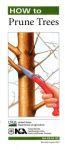
How to Prune Trees by the U.S. Forest Service ISBN: 9780160913761How-to-Recognize-Hazardous Defects-in-Trees ISBN: 9780160913778When it comes to tackling bigger projects, read up first to learn what to look for in your own backyard, starting with those stately trees. How to Prune Trees is a best-selling quick guide to smart practices on trimming branches for optimum tree health. How to Recognize Hazardous Defects in Trees is an overview of common issues with trees.

Removing a tree altogether is sometimes the only safe option; Why Would Anyone Cut a Tree Down? is a book for children that explains how taking away an unhealthy tree can benefit the overall environment of the garden.Why Would Anyone Cut a Tree Down? U.S. Forest Service ISBN: 9780160916267

As always, with any larger gardening issues, you’ll want to consult a professional arborist for concerns with your trees.

Mighty oaks from little acorns grow

Gardening is an ideal activity for children. Not only are they out in nature and physically active, but they also learn about where healthy food comes from while observing the weather, biology, zoology, and conservation. The First Lady of the United States, Michelle Obama, has been teaching the message of healthy living through nutritious, locally grown food in her White House Kitchen Garden. Plants grown right outside the White House in Washington, DC, end up on the dining table of the President’s family. Whether you are building a kitchen garden, a school garden, or a community garden, Let’s Move has more information for you, including a diagram of the White House Kitchen Garden if you want to recreate it in your own backyard.

The Little Acorn - USDA children's book ISBN: 9780160817014Schools are well aware of the educational benefits of gardening; it begins as early as pre-school. (Download the free “Grow It, Try It, Like It! Preschool Fun with Fruits and Vegetables” garden-themed nutrition education kit.) Teachers can find resources and lesson plans from the EPA to incorporate gardening into their school curriculum. And if April showers are in the forecast, little ones can still learn about nature by curling up with a delightful illustrated book about The Little Acorn, which tells of the cycle of growth and change in the garden that starts with just one seed.

Watch the video below as First Lady Michelle Obama and White House chef Sam Kass tell the story of the first garden on White House grounds since Eleanor Roosevelt’s Victory Garden during World War II.

First Lady and White House chef explain history of the first White House kitchen garden since WW2

Inside the White House: The Kitchen Garden” video of First Lady Michelle Obama and White House chef Sam Kass telling the story of the first garden on White House grounds since Eleanor Roosevelt’s Victory Garden during World War II. This new garden was planted in the Spring of 2009 with the help of local elementary school children and has yielded a constant supply fresh produce for the First Family and White House events. Published May 10, 2012. (Source: White House Let’s Move YouTube Channel)

You can find more White House garden videos and gardening ideas for kids on the Let’s Move Gardening Guide web page.

Look for inspiration in public spaces

A Botanic Garden for the Nation: The United States Botanic Garden (ePub eBook) ISBN: 9780160869129 for out-of-print ISBN: 9780160767722Some folks are lucky enough to own a big garden plot; others grow plants in containers on a balcony or place herb pots by a sunny window. No matter how you garden, you can always look for inspiration for your gardening pursuits. There are a number of places to visit in spring to see the variety of plants. It’s especially helpful to visit places where plants are labeled so that you know what to look for at a local nursery or plant sale.

Cymbidium ‘Hearts of Gold’ orchid in bloom at the U.S. Botanic Garden

Image: Cymbidium ‘Hearts of Gold’ orchid in bloom at the U.S. Botanic Garden

In the nation’s capital, Washington, DC you can go to the United States Botanic Garden and see what’s in bloom or learn how to attract butterflies to your garden.

You can also purchase A Botanic Garden for the Nation: the United States Botanic Garden (ePub eBook), a GPO Online Bookstore perennial favorite (pun intended).

Girl's face peeking out from pink azaleas at National Arboretum in Washington, DC

Peeking out from among the azaleas at the National Arboretum in Washington, DC.

While in the DC area, don’t miss the United States National Arboretum. You can see every single plant contained there, search for individual plants and see exactly where they are located on this interactive map.

Find out what’s in bloom during the month of your visit. (If visiting in April, don’t miss their world-famous display of azaleas / rhododendrons which bloom sometime in April. Check their Azalea page for current bloom conditions.)

The arboretum also has full color posters to help you identify crape myrtles, shrubs, and trees.

U.S. National Arboretum Crape Myrtles Guide

Image: Guide to Lagerstroemia, commonly known as crape myrtle or crepe myrtle, from the National Arboretum. (Source: U.S. National Arboretum)

Learn about gardening by joining others

Restorative Commons: Creating Health and Well-Being Through Urban Landscapes ISBN: 9780160864162You can learn so much about gardening by meeting other like-minded folks. If you don’t have your own garden, you might want to join a community garden or find a local gardening group or volunteer at a gardening club. Urban soils have their own unique characteristics and benefits; find out how to grow gardens in urban soil, then enjoy the benefits that come from gardening in urban landscapes in Restorative Commons: Creating Health and Well-Being Through Urban Landscapes, available from GPO’s U.S. Government Online Bookstore.

Urban gardeners at work planting new seedlings

Image: Urban gardeners at work planting new seedlings (Source: NIH)

It’s food for thought

Fruitful Legacy: A Historic Context of Orchards in the United States, with Technical Information for Registering Orchards in the National Register of Historic Places ISBN: 9780160821271The first presidents were known not only for their political endeavors, but also for their farms, gardens and orchards. If planted and maintained well, gardens and orchards can last for decades, even centuries.

Learn more about the legacy and preservation of historic orchards in the U.S. with these two publications available from GPO’s U.S. Government Online Bookstore:

Happy gardening!

Image: Uncle Sam promoting gardening during wartimeSource: National Archives

Image: World War II USDA poster promoting Victory gardens: “Uncle Sam says GARDEN to Cut Food Costs” (Source: National Archives)

How can I get these and other Federal Government publications on Gardening?

In addition to clicking on the links in the article above to find the publications, you may find gardening publications from the following:

About the author: Kristina Bobe is a Senior Planning and Development Specialist for the U.S. Government Printing Office’s Library Services & Content Management (LSCM) Division. Additional content, images and editing provided by Michele Bartram, Government Book Talk Editor and Promotions Manager for GPO’s Publication and Information Sales Division in Washington, DC.