Celebrate American Indian Heritage

November 20, 2014

In 1990, President George H. W. Bush proclaimed November as “National American Indian Heritage Month,” as requested in Public Law 101-343. Since then, proclamations and legislation have been passed to recognize the history and culture of Native American Indian and Alaskan Native tribes during the month of November. You can read many of the past proclamations and legislation on GPO’s Federal Digital System (FDsys).

For example:

There are many documents related to designation of November as a celebration of Native American heritage. In addition, many documents about the celebration are available in Federal depository libraries located nationwide or online through GPO’s Catalog of U.S. Government Publications.

History

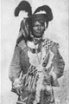
The effort to recognize and celebrate American Indian Heritage at a national level began a century ago. Dr. Arthur Caswell Parker, director of the Rochester Museum in New York and founder of American Indian rights organizations, persuaded the Boy Scouts of America to commemorate a day for “First Americans” in 1912.

Image courtesy of nps.gov

Image courtesy of nps.gov

Several declarations by American Indian Groups have designated a day in May as well as September for commemorating Native Americans. Additional historical information is available on the U.S. Department of the Interior Indian Affairs Web Site. The site also provides a list of Congressional Resolutions and Presidential Proclamations. Many of those are available through FDsys, or in the collections at Federal depository libraries. The Library of Congress also has a Web site with information about Native American Heritage Month.

Federal Observance of an official day or week to celebrate Native culture began in 1976 with a Congressional Resolution authorizing President Ford to declare on October 8, “Native American Awareness Week.” Every year thereafter, a proclamation has been made to celebrate a day or month in honor of American Indians. According to a Library of Congress information page about the history, it began in 1986 with Public Law 99-471 and President Reagan’s Proclamation 5577 declaring November 23-30, 1986 as “American Indian Week.” In 1992, Public Law 102-188 declared the entire year of 1992 as “Year of the American Indian.”

President Obama made the 2014 proclamation on October 31. You can check the White House Web Site for other Presidential Proclamations. Historical proclamations are included in publications such as the Public Papers of the Presidents of the United States and the U.S. Statutes at Large. These can also be accessed in Federal depository libraries nationwide.

Native American Day – October

Many States in the U.S. also celebrate a Native American Day.

Recently the California State Legislature proclaimed the Fourth Friday in September as Native American Day. American Indian Day has been celebrated in Tennessee since 1994.

native american image 1

Image courtesy of nps.gov

In South Dakota, the second Monday in October is celebrated as Native American Day, rather than Columbus Day. Codified State Law 1-5-1.2 states that “Native Americans’ Day is dedicated to the remembrance of the great Native American leaders who contributed so much history” to the state of South Dakota.

Other annual events occur throughout the year, such as the annual Native American Heritage Days held in Grand Canyon National Park. The twenty-first annual event was held this year from August 7-8, 2014

Educational Resources

Whether celebrating a day, month or year, you can take any opportunity to learn more about the history and culture of the indigenous peoples of North America.

The National Library of Medicine recently created the exhibition Native Voices: Native People’s Concepts of Health & Illness. Visitors can see the exhibit in the rotunda gallery of the National Library of Medicine, or visit the traveling exhibition. The Exhibition opened in Honolulu Hawaii on July 18th, and is currently in Sulphur, Oklahoma until October 24, 2014. For those unable to visit in person, the Web site includes videos, timelines, and resources about the exhibition and content.

Image courtesy of The University of Iowa (Digital Library)

Image courtesy of The University of Iowa (Digital Library)

The National Archives contains a wealth of records relating to American Indians from about 1774 through the 1990s. Their Web site provides a helpful research guide for accessing these collections. The U.S. Department of Housing and Urban Development has created an informative guide on Native American Heritage through the Indian Housing’s Office of Native American Programs (ONAP). The U.S. Department of Defense also has a detailed Web guide created for the 2001 American Indian Heritage Month.

The Smithsonian National Museum of the American Indian is a valuable educational resource visitors to Washington, D.C. can explore. Those unable to visit in person can explore some of the collections online.

There are also several books and series published by Federal agencies and available from the Government Printing Office bookstore to learn more about Native cultures, history, and recent events:

  • Handbook for North American Indians series047-000-00415-2This series, produced by the Smithsonian Institution is an extensive reference set providing an encyclopedic summary of the prehistory, history, and cultures of the aboriginal peoples of North America.
  • The Eagle Book serieseagle book series imageThis is an award winning series developed through collaboration with the U.S. Department of Health and Human Services Center for Disease Control and Prevention Native Diabetes Wellness Program, the Indian Health Service Division of Diabetes Treatment and Prevention, and the Tribal Leaders Diabetes committee. What began as the book “Through the Eyes of the Eagle” is now a full series written for elementary and middle school children and includes a guide for educators and communities.
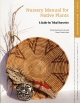
  • Nursery Manual for Native Plants: A Guide for Tribal Nurseriesnursery manual for native plantsAgricultural Handbook 730, produced by the Forest Service, is a coordinated effort with the Virtual Center for Reforestation, Nurseries, and Genetic Resources and representatives from tribes across the United States to create a manual with special attention to the uniqueness of Native American Cultures. There is also access to the full PDF online.
  • The Children’s Bureau Legacy: Ensuring the Right to ChildhoodThe Children's Bureau LegacyHistory of the bureau from 1912-2012 is detailed here, including information about Indian Boarding Schools and the Indian Adoption Program.
  • Iroquois Warriors in Iraq – This publication analyzes the role of the Iroquois’ Warriors of the UW Army Reserve’s 90th Division, which was deployed to Iraq in 2004.

HOW DO I OBTAIN THESE PUBLICATIONS?

In addition to clicking on the links in the article above to find the publications, you may find these publications from the following:

Shop Online Anytime: You can buy these and other print publications (with FREE Standard Shipping worldwide) from the U.S. Government Online Bookstore Web site at http://bookstore.gpo.gov:

Shop our Retail Store: Buy a copy of any print editions from this collection at GPO’s retail bookstore at 710 North Capitol Street NW, Washington, DC 20401, open Monday–Friday, 9 a.m. to 4 p.m., except Federal holidays, Call (202) 512-0132 for information or to arrange in-store pick-up.

Order by Phone: Call our Customer Contact Center Monday through Friday, 8 am to 5:30 pm Eastern (except US Federal holidays). From US and Canada, call toll-free 1.866.512.1800. DC or International customers call +1.202.512.1800.

Visit a Federal Depository Library: Search for these in a nearby Federal depository library.

About the author: Cathy Wagner is an Outreach Librarian with the Outreach & Support team in the Library Services & Content Management (LSCM) unit at the Government Printing Office.


Veterans Day and Marine Corps Birthday

November 10, 2014

November 11 is Veterans Day, an annual holiday set aside to honor the contributions of the brave men and women who have served or are serving in the United States Armed Forces.  Coinciding with Veterans Day, this month also marks the 239th anniversary of the Marine Corps. On November 10, 1775, the Continental Congress passed a resolution stating that “two Battalions of Marines be raised,” for service as landing forces for the Continental Navy. This resolution established the Continental Marines, and thus is now recognized as the official birthday of the U.S. Marine Corps.  In celebration of the bravery and sacrifice of all the U.S. veterans and the U.S. Marine Corps birthday, Government Book talk is highlighting the following new veterans and military titles currently available from the U.S Government Bookstore.

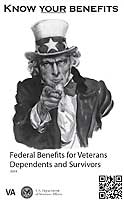
Federal Benefits for Veterans, dependents, and Survivors 2014Federal Benefits for Veterans, Dependents, and Survivors 2014

Federal Benefits for Veterans, Dependents and Survivors is the annual publication from the U.S. Department of Veterans Affairs that provides a complete summary of all Federal benefits available to qualified American veterans of the United States armed forces, including their dependents and survivors. It is the must-have resource for veterans and veterans’ families to use to ensure that they have the latest information on the benefits and rights earned by these veterans in service of our nation.

The Noncommissioned Officer and Petty Officer: Backbone of the Armed ForcesThe Noncommissioned Officer and Petty Officer

A first of its kind, this book—of, by, and for the noncommissioned officer and petty officer—is a comprehensive explanation of the enlisted leader across the U.S. Armed Services. It complements The Armed Forces Officer, the latest edition of which was published by NDU Press in 2007, as well as the Services’ NCO/PO manuals and handbooks.

Written by a team of Active, Reserve, and retired senior enlisted leaders from all Service branches, this book defines and describes how NCOs/POs fit into an organization, centers them in the Profession of Arms, explains their dual roles of complementing the officer and enabling the force, and exposes their international engagement. As Chairman of the Joint Chiefs of Staff General Martin E. Dempsey writes in his foreword to the book, “We know noncommissioned officers and petty officers to have exceptional competence, professional character, and soldierly grit—they are exemplars of our Profession of Arms.”

Aspirational and fulfilling, this book helps prepare young men and women who strive to become NCOs/POs, re-inspires serving enlisted leaders, and stimulates reflection by those who have retired from or left active service. It also gives those who have never worn the uniform a better understanding of who these exceptional men and women are, and why they are properly known as the “Backbone of the Armed Forces.”

U.S. Marines in the Gulf War, 1990-1991_Liberating KuwaitU.S. Marines in the Gulf War, 1990-1991: Liberating Kuwait

Liberating Kuwait is the official history of U.S. Marine Corps operations during the 1990-1991 Gulf War with Iraq. It covers such topics as Marines in the embassies in Kuwait and Iraq, Operations Desert Shield and Desert Storm, the Battle of al-Khafji, the liberation of Kuwait, and the amphibious feint. This publication contains 24 color maps and numerous black and white and color photographs.

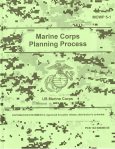
Marine Corps Planning Process

Marine Corps Planning Process2The Marine Corps Planning Process (MCPP) supports the Marine Corps warfighting philosophy of maneuver warfare. Since planning is an essential and significant part of command and control, the Marine Corps Planning Process recognizes the commander’s central role as the decision maker.  It helps organize the thought processes of a commander and his staff throughout the planning and execution of military operations.

The Marine Corps Planning Process focuses on the mission and the threat. It capitalizes on the principle of unity of effort and supports the establishment and maintenance of tempo. The Marine Corps Planning Process is applicable across the range of military operations and is designed for use at any echelon of command. The process can be as detailed or as abbreviated as time, staff resources, experience, and the situation permit.

You Cannot Surge TrustYou Cannot Surge Trust: Combined Naval Operations of the Royal Australian Navy, Canadian Navy, Royal Navy, and United States Navy, 1991-2003

You Cannot Surge Trust comprises four case studies in which naval historians from the U.S., Canada, Australia, and the U.K. explain how naval powers created a multinational, or “combined,” framework of interoperability while under national rules of engagement. The four crises addressed are maritime interdiction operations during the First Gulf War (1990-1991), and later in 2001-2003 as part of Operation Enduring Freedom; naval operations off the Federal Republic of Yugoslavia in Operation Sharp Guard (1991-1996); and peacekeeping operations in East Timor during Operation Stabilise (1999-2000).

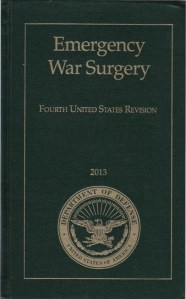
Emergency War Surgery 4th United States RevisionEmergency War Surgery 4th United States Revision

This 4th revision of this popular Borden Institute reference on emergency surgery includes everything from war wounds to anesthesia, even covering gynecologic and pediatric emergencies, making this a must-have medical reference for civilian emergency medical personnel as well as military doctors and nurses.

U.S. Coast Guard Incident Management Handbook 2014The Coast Guard Incident Management Handbook (IMH) is designed to assist Coast Guard personnel in the use of the National Incident Management System (NIMS) and the Incident Command System (ICS) during response operations and planned events. The Incident Management Handbook is an easy reference job aid for responders. It is not a policy document, but rather guidance for response personnel.

This new 2014 version of the Incident Management Handbook includes revisions informed by references (b) through (m), after action reports and lessons learned published after 2005, an internal field level review, and an external review by federal, state, local, and private sector maritime partners.

HOW DO I OBTAIN THESE PUBLICATIONS?

Shop Online Anytime: You can buy these and other publications (with FREE Standard Shipping worldwide) from the U.S. Government Online Bookstore website at http://bookstore.gpo.gov:

Shop our Retail Store: Buy a copy of any print editions from this collection at GPO’s retail bookstore at 710 North Capitol Street NW, Washington, DC 20401, open Monday–Friday, 9 a.m. to 4 p.m., except Federal holidays, Call (202) 512-0132 for information or to arrange in-store pick-up.

Order by Phone: Call our Customer Contact Center Monday through Friday, 8 am to 5:30 pm Eastern (except US Federal holidays). From US and Canada, call toll-free 1.866.512.1800. DC or International customers call +1.202.512.1800.

Visit a Federal Depository Library: Search for these in a nearby Federal depository library.

About the author: Trudy Hawkins is Senior Marketing and Promotions Specialist in GPO’s Publication & Information Sales Division supporting the U.S. Government Online Bookstore (http://bookstore.gpo.gov).


Goblins, Ghosts and Witches, Oh My! Happy Halloween, October 2014

October 29, 2014

It’s nearly Halloween, and if you’re thinking about buying candy or pumpkins more than reading Federal government documents, it’s understandable. All the same, it would be regrettable if you missed reading some very relevant Federal government documents before preparing for your Halloween celebration.

halloween

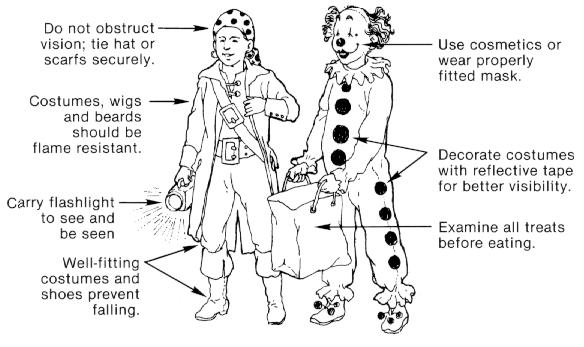
(Image courtesy of CPSC: Click on image to enlarge)

Whether you are pulling together a costume for yourself or for kids, you need to make sure the costume is safe to wear. There are a few basic tips to follow when you get ready for trick-or-treating, according to the CPSC’s Halloween Safety: Safety Alert.

  • Decorate costumes with reflective tape
  • Carry bright flashlights
  • Trim or hem long costumes to avoid tripping
  • Choose flame-resistant material
  • Wear good walking shoes
  • Prefer cosmetics over masks when possible
  • Wear masks and headgear that are securely tied and do not obscure the wearer’s vision

The FDA recommends getting professional help to avoid eye damage if you plan to wear decorative contact lenses as part of your costume. The safe costume tips from these documents are good hints for choosing Halloween party gear, as well.

The CPSC also recommends that you stick to safe houses, make sure your children walk (and don’t run), and that you check children’s candy before letting them eat any, in case of evidence of tampering (although the history of Halloween candy tampering is spotty). Food safety overall is always a concern at Halloween, and reading the FDA’s Halloween Food Safety Tips for Parents is good preparation for anyone responsible for children attending Halloween parties and celebrations.

Those revelers staying in one location will want to follow guidelines given in Halloween Fires. House parties at Halloween frequently feature candles, bonfires, firepits and the like. The US Fire Academy says Halloween is a night when fires spike, with “a 63 percent increase in the daily occurrence of incendiary or suspicious structure fires for October and November. ….the peak in incendiary and suspicious structure fires on Halloween is slightly lower than the peak on July 5th but higher than New Year’s Day” (p. 12). Many of the fires on Halloween (and the night before Halloween, known as Devil’s Night), are the result of arson, and accidents play a role as well. Be aware and know the exit locations at the party you’re attending. If the party you are holding or attending has includes fire as part of the fun, have fire-extinguishing equipment nearby.

And if you’re planning to stay at home for Halloween, heighten your sense of the holiday mood and read some of the spooky traditions of Halloween in The Fantasy and Folklore of All Hallows, from the Library of Congress’ Folklife Center. You can learn about the origins of Halloween, originally a Celtic festival of the dead called Samhain. Samhain was the biggest holiday of the Celtic year, and served as a new year. The Celts lit bonfires for the dead to create a barrier between them and the living. Supposedly, the bonfires guided the dead back to the netherworld at this time of the year when the Celts believed the border between the dead and the living was thinnest. This brief monograph also covers how the Catholic Church appropriated Samhain from the Celtic natives to become All Hallows, and eventually Hallowe’en (Hallows evening). If you finish reading the piece wanting to know more, the author links a selected bibliography of resources on Halloween and related topics at the end of the text. You get to learn a bit of history and appreciate the author’s poetic text also. He closes the piece by noting that traditional American Halloween activities “…reaffirm… death and its place as a part of life in an exhilarating celebration of a holy and magic evening.”

There are records available for the electronic versions of Halloween Safety: Safety Alert and Halloween Fires in the Catalog of Government Publications. You can find the records for these documents in your local Federal depository library.

How can I access these publications?

In addition to clicking on the links in the article above to find the publications, you may find these publications from the following:

  • Visit a Federal Depository Library: Search for U.S. Government publications in a nearby Federal depository library.
  • Visit a Public Library: Ask your local public librarian about Federal Government books available to check out as well as Federal eBooks that may be available for library patrons to digitally download through the library’s Overdrive subscription.

And to find popular current Federal publications, you may:

  • Shop Online Anytime: You can buy eBooks as well as print publications (with FREE Standard Shipping worldwide) from the U.S. Government Online Bookstore website at http://bookstore.gpo.gov
  • Order by Phone: You may also Order print editions by calling GPO’s  Customer Contact Center Monday through Friday, 8 am to 5:30 pm Eastern (except US Federal holidays). From US and Canada, call toll-free 1.866.512.1800. DC or International customers call +1.202.512.1800.
  • Shop our Retail Store: Buy a copy of any print editions at GPO’s retail bookstore at 710 North Capitol Street NW, Washington, DC 20401, open Monday–Friday, 9 a.m. to 4 p.m., except Federal holidays, Call (202) 512-0132 for information or to arrange in-store pick-up.

About the author: Adapted by Trudy Hawkins, Government Book Talk Editor and Senior Marketing and Promotions Specialist for GPO’s Publication and Information Sales Division in Washington, DC, from an original post by Jennifer K. Davis, formerly from GPO’s Library Services & Content Management Division that supports the Federal Depository Libraries Program (FDLP).


Happy Birthday, U.S. Navy!

October 9, 2014

US Navy logoOctober 13 marks the 239th anniversary of the establishment of the United States Navy. Dating back to the early days of the revolution, the Navy was initially formed when the Continental Congress voted to “fit out” two sailing vessels. The sailing vessels armed with carriage and swivel guns and manned by small crews were sent out in an effort to stop transports that helped supply British forces during the American Revolution. This effort mandated by the Continental Congress on October 13, 1775 established the Continental Navy, and thus is now recognized as the official birthday of the U.S. Navy. Celebrate the remarkable history of the U.S. Navy with these publications currently available from the U.S. Government Bookstore:

008-046-00289-4Naval Documents of the American Revolution, V. 12, American Theater, April 1, 1778-May 31, 1778; European Theater, April 1, 1778-May 31, 1778: This twelfth volume in the Naval History and Heritage Command’s Naval Documents of the American Revolution series tells the story of the Revolutionary War on the water during the period of April to June 1778. In the tradition of the preceding volumes—the first of which was published in 1964—this work synthesizes edited documents, including correspondence, ship logs, muster rolls, orders, and newspaper accounts, that provide a comprehensive understanding of the war at sea in the spring of 1778. The editors organize this wide array of texts chronologically by theater and incorporate French, Italian, and Spanish transcriptions with English translations throughout. Volume 12 presents the essential primary sources on a crucial time in the young republic’s naval history—as the British consolidate their strength in the Mid-Atlantic, and the Americans threaten British shipping in European waters and gain a powerful ally as France prepares to enter the war.

008-046-00202-9Sea Raiders of the American Revolution: The Continental Navy in European Waters: This book discusses three American Revolutionary War captains: Lambert Wickes, Gustavus Conyngham, and John Paul Jones. Each of them lead raids on British waters during the American Revolution.

008-046-00282-7Commerce Raiding: Historical Case Studies, 1755-2009: The book of sixteen case studies examining commerce raiding or guerre de course shows that this strategy has time after time proven itself a most efficient way for sea powers to exert pressure on an opponent, especially a lesser sea power or land power, but that land powers have had little success using this strategy against sea powers. Topics include international piracy, international trade and historical background for the American War of Independence, the Civil War, and both World Wars.

008-046-00263-1Talking About Naval History: A Collection of Essays: This collection of naval history essays provides a wide historical perspective that ranges across nearly four centuries of maritime history. A number of these pieces have been published previously but have appeared in other languages and in other countries, where they may not have come to the attention of an American naval reading audience. This collection is divided into parts that deal with four major themes: the broad field of maritime history; general naval history, with specific focus on the classical age of sail, from the mid-seventeenth century to the end of the Napoleonic Wars in 1815; the wide scope of American naval history from 1775 to the end of the twentieth century; and finally, the realm of naval theory and its relationship to naval historical studies.

008-046-00271-1New Interpretations in Naval History: Selected Papers From the Sixteenth Naval History Symposium: A selection of the best 12 papers presented at the 2009 Naval History Symposium, the 16th in the series. The contributors are all maritime and naval historians, and their contributions range from the U.S. colonial era through the 1960s. They are not tied to a central theme but represent the vitality of studies in naval and maritime history.

HOW DO I OBTAIN THESE PUBLICATIONS?

Shop Online Anytime: You can buy these and other publications (with FREE Standard Shipping worldwide) from the U.S. Government Online Bookstore website at http://bookstore.gpo.gov:

Shop our Retail Store: Buy a copy of any print editions from this collection at GPO’s retail bookstore at 710 North Capitol Street NW, Washington, DC 20401, open Monday–Friday, 9 a.m. to 4 p.m., except Federal holidays, Call (202) 512-0132 for information or to arrange in-store pick-up.

Order by Phone: Call our Customer Contact Center Monday through Friday, 8 am to 5:30 pm Eastern (except US Federal holidays). From US and Canada, call toll-free 1.866.512.1800. DC or International customers call +1.202.512.1800.

Visit a Federal Depository Library: Search for these in a nearby Federal depository library.

About the author: Trudy Hawkins is Senior Marketing and Promotions Specialist in GPO’s Publication & Information Sales Division supporting the U.S. Government Online Bookstore (http://bookstore.gpo.gov).


How to “SPOT” Trucks Carrying Hazardous Materials on Highways during Road Trips?

October 1, 2014
trucks

(Image compliments of dreamstime royalty free photos)

I travel to NJ by car frequently for long weekends. This past summer, I took a long road trip from Northern Virginia to New England.   This large span of highway took me close to ten hours in my personal vehicle without traffic delays or any traffic-related accidents.

On these trips I often encounter the now familiar visions of red brake/tail lights in front of me, and hear the screeching of brakes coming from somewhere around me and hope/pray that the other vehicle is not near me. Sometimes these massive slow-downs are a result of a car fire, a traffic accident with multiple vehicles, or bumper-to-bumper traffic due to people viewing a recent incident on the other side of the highway.

While I am sitting at a stand-still, I often wonder how the policeman that arrives while I am sitting in traffic know whom to call to clean the roadway to make it safe for others?   When we are allowed to move forward and get closer to the incident, we have all seen them – those responders, that are in their “special” suits and masks called in to deal with cleaning up this roadway mess, an image that may look similar to this one:

(Image compliments of US Department of Transportation, Federal Highway Administration website)

(Image compliments of US Department of Transportation, Federal Highway Administration website)

They often arrive after the incident has taken place. Aside from their sense of smell, how do they know what type of hazardous material is on the roadway? Are all chemical spills treated the same way?

According to the Department of Transportation (US DOT), Federal Highway Administration’s publication targeted at First Responders titled “Traffic Incident Management in Hazardous Materials: Spills in Incident Clearance”. The Federal Highway Administration’s mission is to “Keep America Moving”.

Traffic Incident Management (TIM) and spill management are two of the tools in the “resource toolbox” that focus on reducing congestion.

050-000-00596-8[1]The purpose of this document is to report practices regarding the clean-up of incidental spills and to explain the use of the United States Department of Transportation’s (U.S. DOT) Emergency Response Guidebook (ERG). This document also describes techniques and strategies that can be used to handle hazardous material spills at traffic incidents.

Volume of Hazardous Material Shipments

(Image compliments of dreamstime-copyright-free images)

(Image compliments of dreamstime-copyright-free images)

Current research indicates that hazardous materials traffic in the U.S. now exceeds 800,000 shipments per day.   When you think about how many trucks you see while driving on the highways and airplanes flying overhead daily, that is an abundance of hazardous materials being transported!

The largest tank volume is the saddle tank (normally 70 gallons) on a semi-truck. Depending on the number of tanks on the truck, the maximum capacity for fuel for a commercial vehicle can be as much as 350 to 420 gallons!

Types of Hazardous Materials

(Image compliments of U.S. Department of Transportation website)

(Image compliments of U.S. Department of Transportation website)

Under the DOT’s Hazardous Materials Regulations notations included in this guide, (HMR; 49 CFR Parts 171-180) hazardous materials are categorized by analysis and experience into hazard classes and packing groups. Each shipper is required to classify a material according to these hazard classes and packing groups and communicate the material’s hazards. The shipper repetitively communicates the hazard through the use of package labels, shipping papers, and placards on transport vehicles.

The DOT has broad jurisdiction to regulate hazardous materials that are in transport, including the discretion to decide which materials shall be classified as “hazardous.” These materials are placed in one of nine (9) hazard classes based on their chemical and physical properties. Therefore, it’s important for response personnel to understand the hazard classes, their divisions, and reclassified materials so they can assess the situation and respond, accordingly.

Here is an image of a sampling of the types of placards that you may be able to recognize on trucks traveling the US highways with you:

(Images compliments of Wikipedia)

(Images compliments of Wikipedia)

You can find this Transportation Incident050-001-00345-7[2] Management in Hazardous Materials Spills in Incident Clearance print book available at the US Government Printing Office Overstock Sale here.

While supplies last, you can check out all the titles in our 50% Off Overstock collection here.

GPOVERSTOCK-SALE-BannerOur Overstock Sale includes an assortment of print and eBook titles discounted by 50% from the list price ranging in topical categories from military history …. to transportation …. to health resources ….. to childcare …… check out this clearance sale today!

HOW DO I OBTAIN THESE PUBLICATIONS?

About the Author – This week’s blog contributor is Maureen Whelan, Senior Marketing Team Leader for GPO’s Publication & Information Sales division  in Washington, DC.  Maureen oversees print and digital content dissemination strategy and manages third party free and paid content distribution vendors such as Apple iBookstoreGoogle Play eBookstoreEBSCOhostOverdrive, and more.


National Public Lands Day: Orchards and Fruit Trees

September 23, 2014

The leaves on the trees are changing colors, pumpkins seem to be popping up everywhere, and it is getting darker earlier. Fall is in the air and coinciding with the beginning of fall is National Public Lands Day, a celebration that began in 1994 and takes place on the last Saturday of September where volunteers across the country work together to beautify public lands. Also coinciding with the season is the annual trip to the orchard to pick apples and drink cider. In the spirit of fall, apple picking, and National Public Lands Day, we are looking at two companion publications from the National Park Service about orchards and fruit trees.

024-005-01266-4Fruitful Legacy: A Historic Context of Orchards in the United States, with Technical Information for Registering Orchards in the National Register of Historical Places

This 2009 publication follows the history of fruit trees, their presence in national parks, and how to properly register the trees. The first half and more interesting half of the publication informs readers on how fruit trees came to the United States:

  • From 1600-1800, European settlers planted seeds in irregular patterns to grow fruit trees for the purpose of producing cider and animal feed, not to produce edible fruit.
  • During the 1800s, commercial orchards were established where trees were planted in a specific pattern with the purpose of eating raw fruit. This practice started on the east coast and migrated west along with the expansion of the country.
  • From the late-1880s to mid-1900s, the U.S. Department of Agriculture was established and a new generation of growers started using pesticides, mechanical irrigation systems, cold storage, and mechanized equipment.
  • From the mid-1900s to present, the practice transitioned from amateur, small-scale farm orchards to professional commercial orchards. It was determined that small, dwarf trees produced greater yield and were more profitable.

024-005-01304-1014Historic Orchard and Fruit Tree Stabilization Handbook

Published in 2012, this publication follows Fruitful Legacy and specifically focuses on preserving orchards and fruit trees in California. Orchards and fruit trees are growing across 15 percent of California State Parks. Established overtime by Native Americans, Spanish missionaries, and the settlers from the Gold Rush, orchards and fruit trees can live from 50-200 years depending on the type of tree. The publication goes in depth on how to grow, maintain, and protect orchards and fruit trees and is intended for professionals who work for the California State Park Systems. However, the information can be adapted by anyone who wants to know best practices for growing fruit trees whether it is an entire orchard or a single tree.

Embrace fall and celebrate National Public Lands Day with a trip to your local orchard!

HOW DO I OBTAIN THESE PUBLICATIONS?

About the Author: Our guest blogger is Emma Wojtowicz, Public Relations Specialist in GPO’s Office of Public Affairs.


“Out of Many, One”: Citizenship and the Constitution

September 17, 2014

September 17 is Constitution Day, thanks to the efforts of the late Senator Robert C. Byrd, who always carried a copy with him on and off the floor of the Senate. Last year, I blogged about the various editions of the Constitution available as Government publications. This time around, I’ve been thumbing through another publication that helps to put the Constitution, the Declaration of Independence, and a variety of other documents, speeches, and even songs and poetry, into the bigger picture of what it means to be – or become – an American citizen.

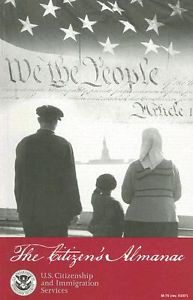
The Citizen’s Almanac: Fundamental Documents, Symbols, and Anthems of the United States, a handsome and very useful little book from the U.S. Citizenship and Immigration Services correctly states that “both native-born and naturalized citizens will find important information on the rights and responsibilities associated with United States citizenship.” It’s an extremely useful collection of songs (The Star Spangled Banner, America the Beautiful, God Bless America), poems (The Concord Hymn, I Hear America Singing, The New Colossus), symbols (the Great Seal of the United States, including an explanation of that impressive but somewhat mystifying “pyramid with an eye in it” device), complete texts or extracts from notable American speeches (the Gettysburg Address, John F. Kennedy’s Inaugural Address, Martin Luther King’s I Have A Dream, Ronald Reagan’s Remarks at the Brandenburg Gate), notable Supreme Court decisions (Marbury v Madison, Brown v Board of Education) and much more.

Although the complete text of the Mayflower Compact, the Declaration of Independence, the Constitution, and other documents are not included, the brief sections on each put them into context so readers can perceive the continuum of American democracy through time. For new and aspiring citizens, a series of brief biographies of famous Americans who were not born in the U.S. makes for interesting reading. In the entertainment world alone, how many of us think of Marlene Dietrich, Bob Hope, and Celia Cruz in their roles as citizens of the Republic?

The Citizen’s Almanac is a terrific, well-illustrated source for all kinds of information about American history and citizenship. It’s also an interesting read and a book that’s perfect for Constitution Day or any other day when you need information about this country of ours. You can browse through The Citizen’s Almanac here, buy a single copy or a package of 25 for schools and civic organizations, or locate it at a library.

HOW DO I OBTAIN THIS PUBLICATION?

In addition to clicking on the links in the article above to find the publication, you may find this publications from the following:

Shop Online Anytime: You can buy this and other print publications related to citizenship (with FREE Standard Shipping worldwide) from the U.S. Government Online Bookstore website at http://bookstore.gpo.gov:

Order by Phone: You may also order print editions by calling GPO’s  Customer Contact Center Monday through Friday, 8 am to 5:30 pm Eastern (except US Federal holidays). From US and Canada, call toll-free 1.866.512.1800. DC or International customers call +1.202.512.1800.

Shop our Retail Store: Buy a copy of any print editions at GPO’s retail bookstore at 710 North Capitol Street NW, Washington, DC 20401, open Monday–Friday, 9 a.m. to 4 p.m., except Federal holidays, Call (202) 512-0132 for information or to arrange in-store pick-up.

About the author: Adapted by Trudy Hawkins, Writer and Marketing Specialist in GPO’s Publication & Information Sales Division in Washington, DC, from an original post by James Cameron, former Government Book Talk Editor in support of the U.S. Government Online Bookstore (http://bookstore.gpo.gov).


A Star-Spangled Anniversary

September 12, 2014
Image: Celebrating the 200th Anniversary of our National Anthem http://www.starspangled200.com/

Image: Celebrating the 200th Anniversary of our National Anthem (http://www.starspangled200.com/)

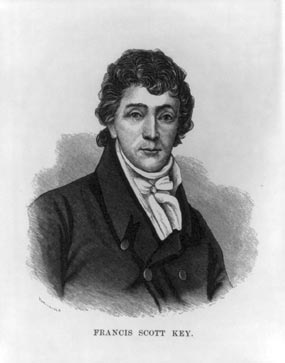
September 2014 marks the 200th anniversary of the United States National Anthem, “The Star-Spangled Banner.” In September 1814, after a 25-hour long battle with the British, U.S. soldiers at Baltimore’s Fort McHenry raised a 42-foot American flag in victory. A young Francis Scott Key, a Maryland-born attorney, was aboard a ship in Baltimore’s harbor to negotiate the release of an American prisoner and was so inspired by the patriotic sight that he wrote “The Star-Spangled Banner.”

Image source: nps.gov

Francis Scott Key (nps.gov)

If you’re lucky enough to be in Maryland during the month of September, the Star-Spangled Spectacular is a free festival that celebrates the 200th anniversary of our National Anthem. Tall ships, Navy ships, and the Blue Angels will come to Baltimore’s Inner Harbor. Landside festivals include living history demonstrations. Events crescendo on September 13, 2014 with two star-studded patriotic concerts and extraordinary fireworks display over Fort McHenry and the Baltimore harbor, which will broadcast live on PBS’ Great Performances. Learn more here.

You can check out the National Park Service’s Fort McHenry page for details about the park, its history, and the festivities.

The U.S. Government Printing Office offers publications and resources to help you learn more about this pivotal point in American history.

citizens almanacAvailable through the U.S. Government Bookstore, The Citizen’s Almanac: Fundamental Documents, Symbols, and Anthems of the United States, contains information on the history, people, and events of the United States. This resource is primarily targeted at immigrants hoping to become U.S. citizens. However, it can also serve as a patriotic resource for elementary school-age children through freshmen in high school. Teachers of social studies and civics programs may want to have a copy handy to use in classrooms. Some examples of things covered in the publication are: rights and responsibilities of citizens, the Star-Spangled Banner, the Pledge of Allegiance, the Gettysburg Address, the Constitution, landmark decisions of the Supreme Court, and much more. A related resource is the Civics and Citizenship Toolkit.

GPO’s Federal Digital System also has a variety of Government documents related to the Star-Spangled Banner:

Star Spangled Banner Flag on display at the Smithsonian's National Museum of History and Technology, around 1964

Star Spangled Banner Flag on display at the Smithsonian’s National Museum of History and Technology, around 1964

GPO’s Catalog of U.S. Government Publications provides access to a fascinating document from the Smithsonian, National Museum of American History: The Star-Spangled Banner: State-of-the-Flag Report, 2001. This document describes the history of THE flag that inspired our National Anthem, where it has traveled since 1814, the conservation project undertaken to preserve it for future generations, and more.

Also check out this information from the Smithsonian on the Star-Spangled Banner. You can also learn about the flag’s preservation project here. You can also learn more about Francis Scott-Key here.

You can also visit a Federal depository library near you to discover what other publications the Federal Government has to offer on this incredible moment in American history. Locations are nationwide. Find the Federal depository nearest you by visiting the Federal Depository Library Directory.

HOW DO I OBTAIN THESE PUBLICATIONS?

In addition to clicking on the links in the article above to find the publications, you may find these publications from the following:

Shop Online Anytime: You can buy these print publications (with FREE Standard Shipping worldwide) from the U.S. Government Online Bookstore website at http://bookstore.gpo.gov:

Order by Phone: You may also order print editions by calling GPO’s  Customer Contact Center Monday through Friday, 8 am to 5:30 pm Eastern (except US Federal holidays). From US and Canada, call toll-free 1.866.512.1800. DC or International customers call +1.202.512.1800.

Shop our Retail Store: Buy a copy of any print editions at GPO’s retail bookstore at 710 North Capitol Street NW, Washington, DC 20401, open Monday–Friday, 9 a.m. to 4 p.m., except Federal holidays, Call (202) 512-0132 for information or to arrange in-store pick-up.

About the author: Our guest blogger is Kelly Seifert, Lead Planning Specialist for GPO’s Library Services & Content Management Division that supports the Federal Depository Library Program.


Remembering 9/11: Tales of Heroes and Tough Lessons

September 11, 2014

9-11 Decade of Remembrance Twin Towers and Pentagon Logo designed by David McKenzie at the Government Printing OfficeIn remembrance of the terrorist attacks of September 11, 2001, Government Book Talk revisits blogger Michele Bartram’s post from September 11, 2013.
There are certain moments and events that are etched in our national consciousness. Ask any American who was alive in the 60’s where he or she was when John F. Kennedy or Martin Luther King was assassinated and you will hear a stirring personal story. For our generation, it was September 11, 2001.

Image: September 11 Decade of Remembrance logo with World Trade Center Twin Towers surrounded by a figure representing the Pentagon. Created by David McKenzie with the Government Printing Office for the U.S. Government Bookstore.

I was right across from the Twin Towers twelve years ago today, getting ready to board a ferry for my daily commute from New Jersey across the Hudson River into Manhattan, when I saw the second plane hit the World Trade Center right across from me. So, too, I cried with a group of strangers as we stood on the ferry platform and watched in horror as the first tower fall, saw the dust cloud rise and felt the earth—and the world—tremble.

America and Americans have changed since that day… twelve years ago today. We have since heard stirring stories of heroes and sacrifice, and learned many grim lessons that are still affecting both policy and people today.

Many of these stories of heroism, missed opportunities, and resulting actions have been painstakingly and faithfully chronicled by a wide array of Federal agencies, ensuring the sacrifices and lessons are not forgotten.

Responding to the Tragedies

Both in New York and the Pentagon in Washington, DC, we saw how first responders and medical personnel rushed to save lives. These excellent publications tell the stories of the heroes from that day:

  • 008-000-01049-8Pentagon 9/11 (10th Anniversary Edition) (Paperback) includes a foreword by Secretary of Defense Leon Panetta and provides the most comprehensive account available of the 9/11 attack on the Pentagon and aftermath, including unprecedented details on the impact on the Pentagon building and personnel and the scope of the rescue, recovery, and care-giving effort.
  • 008-000-01048-0Attack on the Pentagon: The Medical Response to 9/11 not only tells the personal stories from medical personnel responding to the attack on the Pentagon, but also provides insight from MEDCOM officers detailed to New York to support National Guard troops guarding ground zero’s perimeter. It also includes the Army’s involvement in the recovery of deceased attack victims at the Pentagon and the work of the Armed Forces Institute of Pathology in identifying human remains at Dover Air Force Base. In addition, the roles of military and civilian hospital staffs and of military environmental health and mental health specialists in taking care of attack victims and their families are also examined.

Tough Lessons

The single must-read for every American about September 11 is the official version of The 9/11 Commission Report: Final Report of the National Commission on Terrorist Attacks Upon the United States. This publication lists the findings of the National 9/11 Commission, listing all the painful errors made leading up to the terrorist attacks and outlining specific recommendations for international, national, state and local changes in policy and procedures that the panel of experts felt needed to be implemented to ensure a similar attack never happened again. This seminal publication has served to inform all subsequent policies and legislation since 9/11. It is available in print or as an eBook.

911-commission-report

Image: Launch of the 9/11 Commission Report. Courtesy: CSMonitor.com

The Senate, Select Committee on Intelligence, and House, Permanent Select Committee on Intelligence examined the intelligence failures leading up to 9/11 and jointly published the results in United States Congressional Serial Set, Serial No. 14750: Joint Inquiry Into Intelligence Community Activity Before and After Terrorists Attacks of September 11, 2001 With Errata.

027-001-00097-1Additional insights into the causes of and responses to terrorism can be gleaned from Terrorism Research and Analysis Project (TRAP): A Collection of Research Ideas, Thoughts, and Perspectives, V. 1. This publication provides the findings from the post-9/11 FBI Terrorism Research and Analysis Project (TRAP) Symposium. TRAP is a leading research consortium made up of international/domestic academics and law enforcement officers, and is a working group sponsored by the FBI’s Behavioral Science Unit. In it, these counter-terrorism experts provide a better understanding of the causes of terrorist activity and possible government response tactics to mitigate terrorist actions.

064-000-00029-2As we watch the new World Trade Center going up in New York, we can be assured that builders are incorporating architectural and construction lessons learned from the World Trade Center Building Performance Study: Data Collection, Preliminary Observations, and Recommendations.

Policy and Legislative Response

United States Congressional Serial Set, Serial No. 14924, House Report No. 724, 9/11 Recommendations Implementation Act, Pts. 1-6 outlines the specific legislative changes enacted by Congress, providing both background and justifications for them along with attribution.

A print copy of the law itself can be purchased here: Implementing Recommendations of the 9/11 Commission Act of 2007, Public Law 110-53 along with the details of the various committee conferences contributing to it in Implementing Recommendations of the 9/11 Commission Act of 2007, Conference Report to Accompany H.R. 1, July 25, 2007.

Defending the Homeland since 9/11

041-001-00657-5National Strategy for Homeland Security (October 2007) provides the common framework outlined by the George W. Bush Administration to guides, organize and unify the United States’ homeland security efforts.

008-000-01068-4A new publication from the Air Force Reserve called Turning Point 9.11: Air Force Reserve in the 21st Century, 2001-2011 tells the story of how the Air Force Reserve responded to 9/11 and have contributed to the security of the United States in a post-September 11 world.

050-012-00440-4In a similar vein, Rogue Wave: The U.S. Coast Guard on and After 9/11 chronicles the involvement of the U.S. Coast Guard on that fateful day and the evolving role in national and world security since.  Part of the Coast Guard 9/11 response is told in this touching video about the boatlift to evacuate people from lower Manhattan is told in a video narrated by Tom Hanks entitled: BOATLIFT, An Untold Tale of 9/11 Resilience.”

A touching video about the boatlift to evacuate people from lower Manhattan on 9/11 (September 11) is told in a video narrated by Tom Hanks entitled: BOATLIFT, An Untold Tale of 9/11 Resilience. Click on the image above or this link to view the “Boatlift” video.

The upcoming U.S. Army War College Guide to National Security Issues, Volume 2: National Security Policy and Strategy provides a summarized look at the national security curriculum now taught to our nation’s top military and civilian leaders by the U.S. Army War College. Revised with the lessons learned from the years since 9/11, this publication includes a chapter on ”Securing America From Attack: The Defense Department’s Evolving Role After 9/11.”

How can I obtain these Federal 9/11 publications?

  • Shop Online: Print Editions of these 9/11-related publications may be ordered from the U.S. Government Online Bookstore at http://bookstore.gpo.gov, by clicking on the links above in this blog post or shopping our Terrorism & 9/11 History collection under our US & Military History category.
  • Order by Phone: Call our Customer Contact Center Monday through Friday, 8 am to 5:30 pm Eastern (except US Federal holidays). From US and Canada, call toll-free 1.866.512.1800. DC or International customers call +1.202.512.1800.
  • Visit our Retail Store: Buy copies of these publications at GPO’s retail bookstore at 710 North Capitol Street NW, Washington, DC 20401, open Monday–Friday, 9 a.m. to 4 p.m., except Federal holidays, Call (202) 512-0132 for information or to arrange in-store pick-up.
  • Find them in a Library: Find these publications in a federal depository library.

About the author: Adapted by Trudy Hawkins, Writer and Marketing Specialist in GPO’s Publication & Information Sales Division in Washington, DC, from an original post by Michele Bartram, former Government Book Talk Editor in support of the U.S. Government Online Bookstore (http://bookstore.gpo.gov).


50 Years of the Wilderness Act

September 3, 2014

keeping in wildFifty years ago on September 3, 1964, President Lyndon B. Johnson signed the Wilderness Act into law. This established the National Wilderness Preservation System (NWPS) and designated 9.1 million acres of wildlands for preservation. In the last 50 years, Congress has added an additional 100 million acres to the System.

Lyndon Johnson signing the Wilderness Act of 1964 (nps.gov)

Lyndon Johnson signing the Wilderness Act of 1964 (nps.gov)

The 757 wilderness areas within the NWPS are managed by all four Federal land managing agencies: the Bureau of Land Management, Fish and Wildlife Service, Forest Service, and National Park Service. To learn more about the Wilderness Act and the NWPS, visit the University of Montana’s wilderness.net.

The Wilderness Institute, sponsored by numerous Federal agencies, organizations, and individuals, has planned a wide array of events and projects to commemorate this historic legislation. Check it out here.

The U.S. Government Printing Office offers access to an extensive variety of publications and resources related to the Wilderness Act.

We’ll start with the U.S. Government Bookstore. Interesting publications can be found grouped by agency here:

001-001-00686-6Of particular interest to this topic is a publication from the U.S. Forest Service: Wildland Fire in Ecosystems: Fire and Nonnative Invasive Plants. This 16-chapter publication was designed to help increase understanding of plant invasions and fire. The nonnative invasive species that pose the greatest threat for fires are described in detail. Also detailed are the emerging fire-invasive issues in each bioregion through the United States. This publication is the perfect resource for fire management and ecosystem-based management planning.

001-000-04738-8Another publication from the Forest Service, How a Tree Grows, describes the science of how leaves, roots, trunks, soil, and more work together to grow a tree.

024-001-03629-1Also an interesting publication related to this topic is Malheur’s Legacy: Celebrating a Century of Conservation, 1908-2008, Malheur National Wildlife Refuge, Southeast Oregon. This book tells the story of this Refuge’s first hundred years, as well as the story of the Native Americans who first inhabited the land, the early European settlers, how Theodore Roosevelt established it as a bird refuge, and the work of the Civilian Conservation Corps in the 1930s. This amazing wildlife refuge is home to 320 species of birds and 58 mammal species. You’ll also want to check out the National Wildlife Refuge System: A Visitor’s Guide. It contains a map showing national wildlife refuges that provide recreational and educational opportunities and provides tips for visiting national wildlife refuges. The publication also lists refuges in all 50 States, Puerto Rico and the Virgin Islands and describes the best wildlife viewing season and features of each refuge.024-010-00724-9

For access to more Wilderness Act resources, you can visit GPO’s Catalog of U.S. Government Publications (CGP).

Through the CGP, you can access the U.S. Forest Service’s report, Keeping it Wild: an Interagency Strategy to Monitor Trends in Wilderness Character across the National Wilderness Preservation System. The Interagency Wilderness Character Monitoring Team—representing the

Department of the Interior (DOI) Bureau of Land Management, DOI Fish and Wildlife Service, DOI National Park Service, DOI U.S. Geological Survey, and the U.S. Forest Service—offers in this document an interagency strategy to monitor trends in wilderness character across the National Wilderness Preservation System.

Also accessible through the CGP is The National Atlas of the United States of America. National Wilderness Preservation System, from the U.S. Geological Survey. This map of the National Wilderness Preservation System for the United States shows all designated Wilderness areas, and the color of each area depicts which of the Federal agencies administers the Wilderness. In addition to the map, insets on the front side show wilderness photos, a summary of the wilderness legacy, and quotes from citizens about what wilderness means to them. The back side of the map provides general information about the wilderness system in text, images, and sketches. In addition, a table lists acreage, year of establishment, and administrative information for each Wilderness.

GPO’s Federal Digital System (FDsys) also offers resources related to the Wilderness Act:

You can also visit a Federal depository library near you to discover what other publications the Federal Government has to offer on the Wilderness Act, the NWPS, wildlife, and much more. Locations are nationwide. Find the Federal depository nearest you by visiting the Federal Depository Library Directory.

Cheers to the great American treasure that is the National Wilderness Preservation System! Happy 50th, and here’s to many more.

HOW DO I OBTAIN THESE PUBLICATIONS?

In addition to clicking on the links in the article above to find the publications, you may find these publications from the following:

Shop Online Anytime: You can buy these print publications (with FREE Standard Shipping worldwide) from the U.S. Government Online Bookstore website at http://bookstore.gpo.gov:

Order by Phone: You may also order print editions by calling GPO’s  Customer Contact Center Monday through Friday, 8 am to 5:30 pm Eastern (except US Federal holidays). From US and Canada, call toll-free 1.866.512.1800. DC or International customers call +1.202.512.1800.

Shop our Retail Store: Buy a copy of any print editions at GPO’s retail bookstore at 710 North Capitol Street NW, Washington, DC 20401, open Monday–Friday, 9 a.m. to 4 p.m., except Federal holidays, Call (202) 512-0132 for information or to arrange in-store pick-up.

About the author: Our guest blogger is Kelly Seifert, Lead Planning Specialist for GPO’s Library Services & Content Management Division that supports the Federal Depository Library Program.


The Capitol Building and Dome

August 26, 2014

From 1793 until today, the Capitol building in Washington, D.C. has been a topic of interest—and has been the subject of several Government publications! The Capitol dome is soon to be covered with scaffolding for two years for a restoration project, so let’s try to uncover some Capitol treasures before that happens.

Proposed scaffolding for Capitol dome restoration Architect of the Capitol

Proposed scaffolding for Capitol dome restoration
Architect of the Capitol

History of the Capitol

Representative Rufus Choate in 1833 came up with this idea: “We have built no national temples but the Capitol; we consult no common oracle but the Constitution.” Do you agree? You’ll find that quote as well as plenty more information about the building in the book History of the United States Capitol: A Chronicle of Design, Construction, and Politics, also known as S. Doc. 106-29 and part of the Congressional Committee Materials collection on GPO’s Federal Digital System (FDsys). If you’re a more down to earth person and want details on the cost of building the Capitol, check out Chapter 10 of H. Doc. 108-240, Glenn Brown’s History of the United States Capitol , also available on FDsys.

Capitol dome/Dome restoration

The Capitol dome is part of what makes it one of the most recognizable buildings in the country—but did you know it is not the first dome that was on the building? The current dome was designed by Thomas U. Walter and built over 150 years ago, from 1855-1866. The first dome was designed by Charles Bulfinch and finished in 1824. The last time the dome was restored was 1959-1960, and the cast iron now has more than 1,000 cracks, so it’s about to get restored in a two-year project.

Capitol in 1834 with Bulfinch dome Library of Congress (http://www.loc.gov/pictures)/item/2002711965/>

Capitol in 1834 with Bulfinch dome
Library of Congress

Capitol artwork

What about inside the building? The National Statuary Hall Collection has two statues from every U.S. state, and H.R. 5711 was introduced in the 111th Congress (2010) to allow U.S. territories to furnish statues for the hall too. Illinois was the first state to send a statue of a woman —educator and reformer Frances E. Willard’s statue was installed in 1905.

Restoring the Dome Architect of the Capitol

Restoring the Dome
Architect of the Capitol

To Make Beautiful the Capitol: Rediscovering the Art of Constantino Brumidi

brumidi-to-make-beautiful-the-capitolThe Capitol also contains striking artwork by Constantino Brumidi. This Italian artist came to the United States when he was almost fifty years old. Brumidi embraced American history and the United States, signing himself “C. Brumidi Artist Citizen of the U.S.” on one of his Capitol frescoes. Read more about Brumidi and his work in To Make Beautiful the Capitol: Rediscovering the Art of Constantino Brumidi, Constantino Brumidi: Artist of the Capitol, or at the Architect of the Capitol’s Web site.

North Brumidi Corridor Architect of the Capitol

North Brumidi Corridor
Architect of the Capitol

Fun facts and more

S.R. 7, 40th Congress, 1867 Library of Congress

S.R. 7, 40th Congress, 1867
Library of Congress

For those who like historical tidbits (and cider), check out joint resolution S.R. 7 from 1867 prohibiting alcoholic beverages in the Capitol . . . or the 2011 hearing on “Nuclear Energy Risk Management” before a House committee which says the granite of the Capitol building means it has “some of the highest radiation levels in all of the United States, about 85 millirem per year.” (But don’t worry, cross-examination reveals that that level is just “normal radiation exposures from natural background.”) And finally, for even more detail, historical facts, and great images, don’t forget to check out the fabulous Web site of the Architect of the Capitol – they are experts on this fascinating building!

HOW DO I OBTAIN THESE PUBLICATIONS?

In addition to clicking on the links in the article above to find the publications, you may find these publications from the following:

Visit a Federal Depository Library: Search for U.S. Government publications in a nearby Federal depository library. You can find the records for most titles in the Catalog of U.S. Government Publications (CGP)

Shop Online Anytime: You can buy these print publications (with FREE Standard Shipping worldwide) from the U.S. Government Online Bookstore website at http://bookstore.gpo.gov:

Order by Phone: You may also order print editions by calling GPO’s  Customer Contact Center Monday through Friday, 8 am to 5:30 pm Eastern (except US Federal holidays). From US and Canada, call toll-free 1.866.512.1800. DC or International customers call +1.202.512.1800.

Shop our Retail Store: Buy a copy of any print editions at GPO’s retail bookstore at 710 North Capitol Street NW, Washington, DC 20401, open Monday–Friday, 9 a.m. to 4 p.m., except Federal holidays, Call (202) 512-0132 for information or to arrange in-store pick-up.

About the author: Lara Otis is an Outreach Librarian for the U.S. Government Printing Office’s Library Services & Content Management (LSCM) Division.


Education Statistical Resources from the Federal Government

August 19, 2014

With the start of a new school year just around the corner, Government Book Talk takes a look at two recently released publications from the Department of Education that examine the latest trends and developments in American education.

The Condition of Education 2013 and the Digest of Education Statistics 2012,which are currently available from the GPO Bookstore, provide important statistical data on the progress of education in the United States.

065-000-01438-6_2The Condition of Education 2013 focuses on 42 indicators in the subject areas of population characteristics, participation in education, elementary and secondary education, and postsecondary education. Each indicator covers important developments and key indicators such as economic outcomes, preprimary education, school characteristics and climate, and finance and resources.

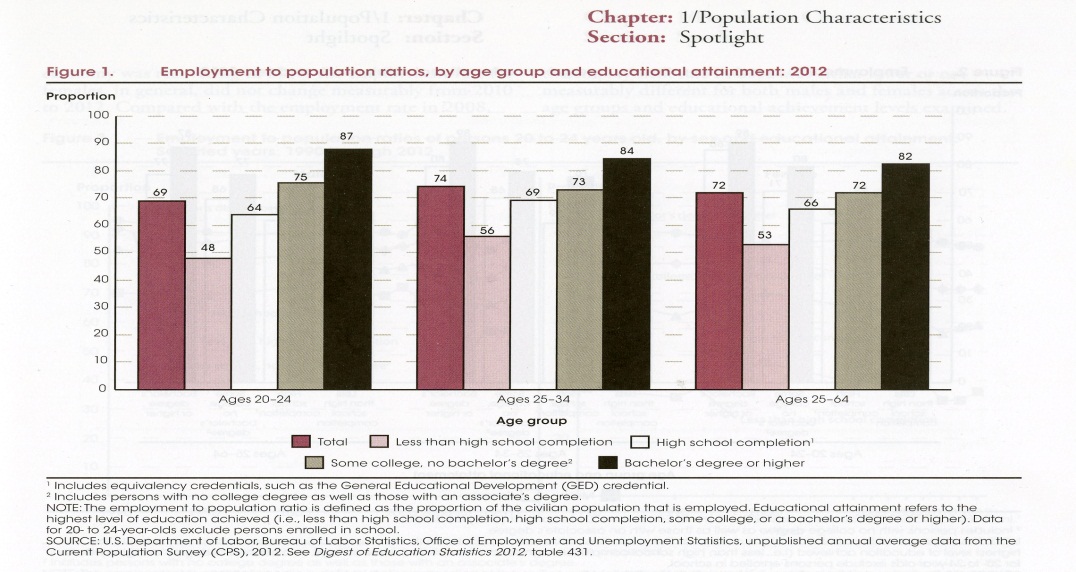
The report also features easy-to-read charts and graphs to illustrate the current trends within each indicator. For example, the chart below from the book illustrates trends in employment rates by age group and education attainment for 2012. According to the chart, in 2012, the employment rate for young adults was 87 percent for those with at least a bachelor’s degree, compared with 75 percent for those whose educational attainment was some college, 64 percent for high school graduates, and 48 percent for those who did not complete high school. Further analysis of the chart points out that older students that did not complete school—those aged 25-34 and 25-64 did slightly better in comparison to their younger counterparts, however, were still employed at a significantly lower rate than those with additional education. (CLICK ON IMAGE TO ENLARGE)

conditions employment chart 2012In addition to trends in employment rates by educational attainment, this year’s report focuses on kindergarten entry status, the status of rural education, and financing postsecondary education in the United States.

065-000-01439-4The Digest of Education Statistics 2012 provides a compilation of statistical information covering the broad field of American education from pre-kindergarten through graduate school. Like the Condition of Education, the data in this annual report was drawn from government and private sources, but especially from surveys and other activities led by NCES (National Center for Education Statistics) part of the Institute for Education Sciences (IES). The digest contains information on the number of schools, students, and teachers, as well as statistics on educational attainment, finances, libraries, technology, and international comparisons. Details on population trends, education attitudes, labor force characteristics, and federal aid supplies helpful background for evaluating the education data.

In addition to updating many of the statistics that have appeared in previous years, this edition contains new material, including:

  • Percentage distribution of 6- to 18-year olds, by parent’s highest level of educational attainment, household type (either two-parent or single-parent), and child’s race/ethnicity (table 12)
  • Enrollment and percentage distribution of enrollment in public elementary and secondary schools, by race/ethnicity and region (table 44)
  • Number and percentage of public school students participating in programs for English language learners, by state (table 47)
  • Children 3 to 21 years old served under Individuals with Disabilities Education Act, Part B, by age group and race/ethnicity (table 49)
  • Percentage of 3-, 4-, and 5-year-old children enrolled in preprimary programs, by attendance status, level of program, and selected child and family characteristics (table 57)
  • Number and enrollment of public elementary and secondary schools that have closed, by school level and type (table 109)
  • Number and percentage distribution of public school students eligible for free or reduced-price lunch, by school level, locale, and student race/ethnicity (table 112)

This statistical reference could be helpful to parents choosing schools for their children as well as for teachers, librarians, and public administrators as it tracks enrollment, population trends and key areas of studies with student progress.

How can I get these publications on education statistics?

Shop Online Anytime: You can buy these and other publications (with FREE Standard Shipping worldwide) from the U.S. Government Online Bookstore website at http://bookstore.gpo.gov:

Shop our Retail Store: Buy a copy of any print editions from this collection at GPO’s retail bookstore at 710 North Capitol Street NW, Washington, DC 20401, open Monday–Friday, 9 a.m. to 4 p.m., except Federal holidays, Call (202) 512-0132 for information or to arrange in-store pick-up.

Order by Phone: Call our Customer Contact Center Monday through Friday, 8 am to 5:30 pm Eastern (except US Federal holidays). From US and Canada, call toll-free 1.866.512.1800. DC or International customers call +1.202.512.1800.

Visit a Federal Depository Library: Search for these in a nearby Federal depository library. You can find the records for most titles in the Catalog of U.S. Government Publications or CGP.

About the author: Trudy Hawkins is a writer and marketing specialist in GPO’s Publication & Information Sales Division supporting the U.S. Government Online Bookstore (http://bookstore.gpo.gov).