It’s National Invasive Species Awareness Week

February 27, 2017

snakeheadRemember the snakehead? In 2002, the discovery of this Asian species of fish in Maryland and Virginia brought invasive species to America’s attention.

What is an Invasive Species? Invasive species are non-native plants, animals, or pathogens in an ecosystem which may cause environmental or economic harm. In 1999, President William J. Clinton issued Executive Order 13112—Invasive Species which established the Invasive Species Council and outlined the responsibilities of Federal agencies for dealing with invasive species.

The National Invasive Species Council spearheads Federal efforts to control invasive species and restore ecosystems. The USDA National Agricultural Library has created the National Invasive Species Information Center (NISIC) to help people find more information on this threat. The Forest Service’s Invasive Species Program includes videos and publications about the management of invasive species and research related to them. The video Defending Favorite Places shows how we can stop the spread of these invaders.
invasive-species

Click on image to enlarge.

Federal depository libraries throughout the United States provide the public with free access to reports and hearings that show how the Federal Government is fighting this threat.

GPO’s U.S. Government Bookstore offers the following publications about invasive species.
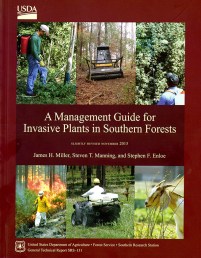
The following websites also offer information on this important topic.

The Invasive Plant Atlas of the United States is a collaborative project between the National Park Service and the University of Georgia Center for Invasive Species and Ecosystem Health. The Atlas provides information about non-native plant species that invade natural areas, excluding agricultural and other developed lands.

The Federal Interagency Committee for the Management of Noxious and Exotic Weeds (FICMNEW) is identified in the invasive species Executive Order 13112 as a key Federal-level organization on which the National Invasive Species Council is to rely for the implementation of the Executive Order and the coordination of Federal agency activities to prevent and control invasive plants.

HOW DO I OBTAIN THESE RESOURCES?

Click on the Links: For the free resources, click on the links above.

Shop Online Anytime: You can buy eBooks or print publications —with FREE Standard Shipping worldwide— from the U.S. Government Online Bookstore at http://bookstore.gpo.gov.

Shop our Retail Store: Buy a copy of any print editions from this collection at GPO’s retail bookstore at 710 North Capitol Street NW, Washington, DC 20401, open Monday–Friday, 9 a.m. to 4 p.m., except Federal holidays, Call (202) 512-0132 for information or to arrange in-store pick-up.

Order by Phone: Call our Customer Contact Center Monday through Friday, 8 am to 5:30 pm Eastern (except US Federal holidays). From US and Canada, call toll-free 1.866.512.1800. DC or International customers call +1.202.512.1800.

Visit a Federal depository library: Search for U.S. Government publications in a nearby Federal depository library. You can find the records for most titles in GPO’s Catalog of U.S. Government Publications.

About the author: Cynthia Earman is a Cataloging & Metadata Librarian in the Library Services & Content Management division of the U.S. Government Publishing Office.


Eat Fit – Get Fit

February 3, 2017

With the start of a new year, there’s no better time than now to reset your body and spirit by not just thinking about fitness but acting on your best instincts. Turn on the TV and you’ll see many fancy dieting regimens, expensive cycling systems and “fool proof” ways to trim down (guaranteed of course!) If it was only so easy!

Or, take a moment, go online to the Government Publishing Office’s web site at https://bookstore.gpo.gov/ and check out an amazing variety of dietary guidelines and exercise guides produced by the Department of Health and Human Services and by the Department of Agriculture for your kids, family– all the way to the over 55 set. The best part is most of the materials are free in various eBook formats.

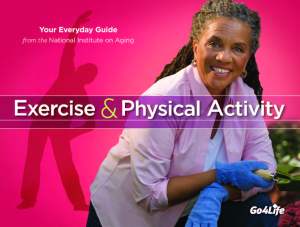
017-300-00025-3_page_001A great example is the Exercise and Physical Activity eBook. A FREE guide to how you can age well through simple exercises and good eating habits.

You can download in minutes here and be ready to take control the very same day or night.

Scan the many publications your federal government has designed for you to get started and stay engaged in better health practices.

You’ll be pleasantly surprised there’s a publication to fit the needs of everyone in your family -You included! Don’t wait.

How can I obtain health resources from the Federal government?

Shop Online Anytime: You can buy eBooks or print publications —with FREE Standard Shipping worldwide— from the U.S. Government Online Bookstore at http://bookstore.gpo.gov.

Shop our Retail Store: Buy a copy of any print editions from this collection at GPO’s retail bookstore at 710 North Capitol Street NW, Washington, DC 20401, open Monday–Friday, 9 a.m. to 4 p.m., except Federal holidays, Call (202) 512-0132 for information or to arrange in-store pick-up.

Order by Phone: Call our Customer Contact Center Monday through Friday, 8 am to 5:30 pm Eastern (except US Federal holidays). From US and Canada, call toll-free 1.866.512.1800. DC or International customers call +1.202.512.1800.

Visit a Federal depository library: Search for U.S. Government publications in a nearby Federal depository library. You can find the records for most titles in GPO’s Catalog of U.S. Government Publications.

About the author: Blogger contributor Ed Kessler is a Promotions Specialist in GPO’s Publication and Information Sales program office.


A New Guide for the American Diet

September 15, 2016

001-000-04771-0Americans, your dietary guidepost for the next four years is here! The U.S. Department of Health and Human Services (HHS) and Department of Agriculture’s (USDA) Dietary Guidelines for Americans is now available through GPO. It’s designed to help folks “improve their overall eating patterns — the complete combination of foods and drinks in their diet.” Plainly put, it’s a plan for eating better.

In this latest edition of HHS and USDA’s twice-a-decade nutrition publication, you’ll see terms like “nutrient-dense” and “food pattern” over and over again. That isn’t just trendy jargon to impress policymakers and health professionals. The words have real meaning, and they represent a shift in thinking about the way Americans should eat.  That is, “people do not eat food groups and nutrients in isolation but rather in combination”—people eat food in patterns.

eat-carrot-peaDietary Guidelines doesn’t just prescribe what to eat, it reminds us why to eat. Science tells us that healthy eating patterns “can help prevent chronic diseases like obesity, heart disease and Type 2 diabetes.” Improved nutrition staves off disease. And when Americans make healthy choices in their daily lives, the long-term benefits support a healthier next generation.

001-000-04771-0_dietary-guidelines-for-americans-2015-2020-003

Click on image to enlarge.

And now, snack on a few science-based recommendations:

  • There’s more than one way to pattern and adapt your eating. Dietary Guidelines provides examples of healthy eating patterns,
  • Nutrient-dense foods are only nutrient dense if they’re made with little or no added solid fats, sugars, refined starches, and sodium. So, cut down on those things,
  • Find new ways to sneak more veggies into dishes you already prepare,
  • Women, limit yourself to one drink per day. Men, your limit is two,
  • Lifelong healthy eating begins with small changes.

If you want a handy takeaway message, it’s this: make small dietary shifts and follow a healthy, lifetime eating pattern that combines a variety of nutrient-dense foods. Or simpler yet, eat for the long run, eat to live.

Update: The 2015-2020 Dietary Guidelines for Americans, is now available in a variety of convenient digital formats compatible with mobile phones, tablets, and e-readers.

See all the available formats for the Dietary Guidelines.

HOW DO I OBTAIN THIS PUBLICATION?

Shop Online Anytime: You can buy eBooks or print publications —with FREE Standard Shipping worldwide— from the U.S. Government Online Bookstore at http://bookstore.gpo.gov.

 Shop our Retail Store: Buy a copy of any print editions from this collection at GPO’s retail bookstore at 710 North Capitol Street NW, Washington, DC 20401, open Monday–Friday, 9 a.m. to 4 p.m., except Federal holidays, Call (202) 512-0132 for information or to arrange in-store pick-up.

Order by Phone: Call our Customer Contact Center Monday through Friday, 8 am to 5:30 pm Eastern (except US Federal holidays). From US and Canada, call toll-free 1.866.512.1800. DC or International customers call +1.202.512.1800.

Visit a Federal depository library: Search for U.S. Government publications in a nearby Federal depository library. You can find the records for most titles in GPO’s Catalog of U.S. Government Publications.

About the author: Blogger contributor Chelsea Milko is a Public Relations Specialist in GPO’s Public Relations Office.


Great Lessons in Small Packages—Tree Books for Kids

August 30, 2016

Great things do come in small packages! In the case of this blog post, the small packages are children’s books that bring to life the themes of growth and nature. GPO makes available two colorfully-illustrated, nature-based publications from the United States Department of Agriculture (USDA) that are ideal for parents and educators, too!

The Little Acorn

001-001-00687-4We usually think of acorns as the staple snack of squirrels. And that they are. In the case of this delightful storybook from the USDA Natural Resources Conservation Service, an acorn can also represent the magic of growing up.

The Little Acorn is written from the perspective of a foraging squirrel who buries an acorn near a stream. As it occasionally checks back on the oak nut, the squirrel bears witness to the tree’s growth amid seasonal and ecological changes. Spring rains, summer heat, and autumn winds condition the baby oak. Its thirsty roots stretch out and it learns that all living things need water to grow.

What starts as a tiny seed encased in a tough shell eventually transforms into a “big, beautiful oak tree…dropping little acorns of its own.”

Why Would Anyone Cut a Tree Down?

001-000-04759-1Sometimes it is necessary to cut trees. Trees have lifecycles—they sprout, mature, grow old, die—and their seeds can be planted to grow new trees. For a renewable resource like trees to healthily propagate, diseased or hazardous trees must be cut down and removed. What sounds like severe measures is actually a good thing for the environment.

This U.S. Forest Service publication teaches kids that “people need to cut some trees down, but that is not the end of the story.” It explores various uses for wood from cut trees—such as materials for construction, nutrients for fresh soil, and stumps for new shoots. The book also includes a note to adults about the basics of tree care.

Cutting down a tree is a form of caring for that tree. It makes room for more life in the exchange of another. Eighteenth century botanist Carl Linnaeus said it best when he wrote “if a tree dies, plant another in its place.”

HOW DO I OBTAIN THESE PUBLICATIONS?

Shop Online Anytime: You can buy eBooks or print publications —with FREE Standard Shipping worldwide— from the U.S. Government Online Bookstore at http://bookstore.gpo.gov.

 Shop our Retail Store: Buy a copy of any print editions from this collection at GPO’s retail bookstore at 710 North Capitol Street NW, Washington, DC 20401, open Monday–Friday, 9 a.m. to 4 p.m., except Federal holidays, Call (202) 512-0132 for information or to arrange in-store pick-up.

Order by Phone: Call our Customer Contact Center Monday through Friday, 8 am to 5:30 pm Eastern (except US Federal holidays). From US and Canada, call toll-free 1.866.512.1800. DC or International customers call +1.202.512.1800.

Visit a Federal depository library: Search for U.S. Government publications in a nearby Federal depository library. You can find the records for most titles in GPO’s Catalog of U.S. Government Publications.

About the author: Blogger contributor Chelsea Milko is a Public Relations Specialist in GPO’s Public Relations Office.


Earth Day: Legislative Milestones & Beyond

April 21, 2016

In the 1960’s and 1970’s, a growing public awareness of the impact of human activity on the environment led to the enactment of key legislation protecting clean air, clean water, and endangered species, the establishment the U.S. Environmental Protection Agency, and the annual observance of Earth Day every April 22.  On Earth Day 2016, GPO makes available these original, authentic documents on govinfo.gov.

worldAside from ushering in legislative mechanisms to protect our environment, Earth Day helped raise public awareness of everyday greening. Green spaces benefit our environment and our psychological wellbeing. Naturally (pun intended), vegetation needs consistent, targeted care. Here are two U.S. Department of Agriculture (USDA) how-to guides for maintaining our planet’s valuable cache of green gold.

How to Prune Trees

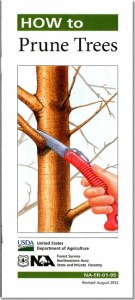
When I think of pruning, I picture an English garden full of imaginative topiaries or a miniature bonsai masterpiece. But there are more than just aesthetic reasons for pruning—encouraging strong structure, wound closure, and space-conscience growth are all part of the snip and trim objective. “How to Prune Trees” explains the principles and approaches of keeping plants trees healthy and full of character.

001-000-04755-8This pamphlet tells you why, when, and how to use your hand pruners, lopping shears, and pole pruners. Don’t worry—there are helpful pictures, too. Although this publication is mostly a how-to resource, it does detail a few how-not-tos. The section on harmful pruning practices will make you wince with empathy. It’s a careful reminder that “just as proper pruning can enhance the form or character of plants, improper pruning can destroy it.” Finally, let this be your pruning mantra: “prune first for safety, next for health, and finally for aesthetics.”

Nursery Manual for Native Plants

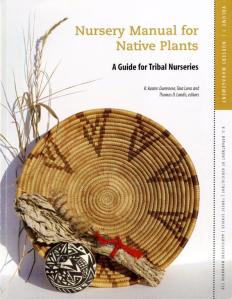
This USDA Forest Service handbook covers all aspects of native nursery planning, crop propagation, and long-term fertility. This book takes tribal nursery design and management seriously. And so should you. Before you invest in a nursery, consider this: “a nursery is a web of interrelated factors. Each aspect of the nursery affects every other aspect.” So meta!

001-000-04744-2The text introduces Native American tribespeople to the benefits and drawbacks of growing native plants. Subsequent chapters breakdown the concepts of pest control, plant nutrition, growing media, and seed handling. Photos and specific examples demonstrate simple but effective techniques. Tribal nursery management is hard work. It’s also rewarding and challenging and visionary and practical. Nurseries can bring a tribal community together. Because of this, nursery design is “personal…you are the person who can best understand the unique…environment around you.”

HOW DO I OBTAIN THESE RESOURCES?

Shop Online Anytime: You can buy eBooks or print publications —with FREE Standard Shipping worldwide— from the U.S. Government Online Bookstore at http://bookstore.gpo.gov.

 Shop our Retail Store: Buy a copy of any print editions from this collection at GPO’s retail bookstore at 710 North Capitol Street NW, Washington, DC 20401, open Monday–Friday, 9 a.m. to 4 p.m., except Federal holidays, Call (202) 512-0132 for information or to arrange in-store pick-up.

Order by Phone: Call our Customer Contact Center Monday through Friday, 8 am to 5:30 pm Eastern (except US Federal holidays). From US and Canada, call toll-free 1.866.512.1800. DC or International customers call +1.202.512.1800.

Visit a Federal depository library: Search for U.S. Government publications in a nearby Federal depository library. You can find the records for most titles in GPO’s Catalog of U.S. Government Publications.

About the author: Our guest blogger is Chelsea Milko, Public Relations Specialist in GPO’s Public Relations Office.


What to Read for National Agriculture Day

March 11, 2016

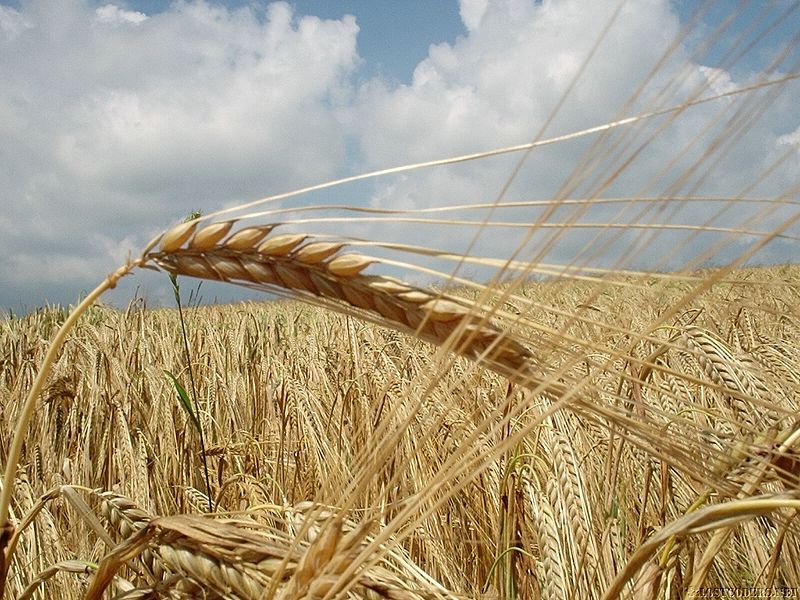
800px-Grain-field“For amber waves of grain” is my favorite lyric in the song America the Beautiful. I picture fields of honey-colored wheat, undulating in the mild breeze. Such imagery is a real thing in rural America. Those fabled farmlands of song have fed, clothed, and employed real people for generations. The agriculture industry, a linchpin of the American economy, remains competitively strong and significant today.

National Agriculture Day on March 15th recognizes the plentiful contributions of U.S. agriculture. To boost your knowledge of the essential role of agribusiness in our daily lives, check out these U.S. Department of Agriculture (USDA) resources available from the GPO bookstore.

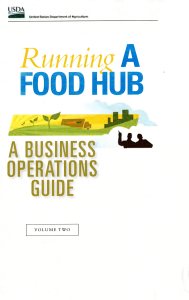
Running a Food Hub: A Business Operations Guide

001-000-04766-3This handy USDA report centers on decision points for food hub operators. What’s a food hub, you ask? It sources, aggregates, and distributes a wide array of local and regional food products. Food hubs can take on many different forms, from corporation to cooperative. Whichever way they legally and operationally organize, each has an assortment of logistics, regulations, and risks to consider.

Successful food hubs operate with the community in mind; many have a social-based mission. This guide certainly recognizes that. It includes tips on how to customize a service strategy, build in customer incentives, and chose a sale focus. Ultimately, food hubs can have “a tremendous impact on their producer-members by returning a percentage of food dollars spent.”

Read “Running a Food Hub” and grow your agribusiness acumen!

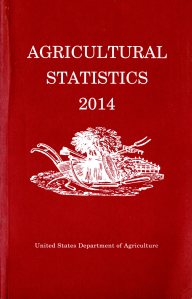
Agricultural Statistics 2014

9780160930393037USDA’s National Agricultural Statistics Service compiled this “reliable reference book” of data tables on agricultural “supplies, consumption, facilities, costs, and returns.” It’s fifteen chapters of estimates on field crops, livestock, forestry, horticulture, and other subcategories. Foreign trade data is also represented.

Big export staples like corn, cotton, wheat, potatoes, and soybeans have lots of stats on them. So, naturally, they have several data tables in this tome. Not quite the case for pickles, lima beans, inedible tallow, and pink pelts. Their part is small but vital in an industry that contributed $835 billion to the U.S. gross domestic product (GDP) in 2014, according to the USDA’s Economic Research Service.

To wrap up, here are a few ag stats to impress your friends with:

  • In 2013, the U.S. produced over 97 billion eggs
  • In 2012, milk cows produced over 200 billion pounds of milk
  • In 2013, the value of U.S. cotton production exceeded 5 billion dollars.

HOW DO I OBTAIN THESE RESOURCES?

Shop Online Anytime: You can buy eBooks or print publications —with FREE Standard Shipping worldwide— from the U.S. Government Online Bookstore at http://bookstore.gpo.gov.

Shop our Retail Store: Buy a copy of any print editions from this collection at GPO’s retail bookstore at 710 North Capitol Street NW, Washington, DC 20401, open Monday–Friday, 9 a.m. to 4 p.m., except Federal holidays, Call (202) 512-0132 for information or to arrange in-store pick-up.

Order by Phone: Call our Customer Contact Center Monday through Friday, 8 am to 4:30 pm Eastern (except US Federal holidays). From US and Canada, call toll-free 1.866.512.1800. DC or International customers call +1.202.512.1800.

Visit a Federal depository library: Search for U.S. Government publications in a nearby Federal depository library. You can find the records for most titles in GPO’s Catalog of U.S. Government Publications.

About the author: Our guest blogger is Chelsea Milko, Public Relations Specialist in GPO’s Public Relations Office.


Two Bites from MyPlate Make Eating Right Fun for Kids

March 4, 2016

Fad diets appear to be fading in popularity these days. Healthful eating plans packed with flavorful foods are making headway. Sounds sensible for adults, right? But what about kids? Young children need help to make smart choices and grow up healthy. March is National Nutrition Month, a perfect time to chat about nutritiously fueling our youngsters.

GPO makes available two U.S. Department of Agriculture (USDA), Food and Nutrition Service (FNS) nutrition education eBooks for early childhood that make eating right fun for kids. Bonus: these books have great audio and interactivity!

Discover MyPlate: A MyPlate Meal (ePub)

DMP Emergent Reader about a complete MyPlate meal

“I have apples. Nate has peas.” It’s certainly not the introduction to A Tale of Two Cities but the simplicity does grab your attention. This zippy activity book has 8 pages of illustrations and 26 words in total. It’s very easy to digest (pun intended) and doubles as a coloring book.

MyPlate illustrates the five building block food groups in the structure of a plated meal that is designed to help children to identify foods within the food groups. It’s what kids know and relate to. The dietary brains at USDA FNS know that children learn best when they can chose and try and enjoy. This resource models eat well, play well habits for life.

The Two Bite Club (ePub)

First rule of the Two Bite Club is that we don’t talk about the Two Bite Club. Just joshin’. Allow Will the cat to give his take: “Each color on the plate in the picture is a different food group. My teacher told me that if we eat two bites from each food group we can be members of the Two Bite Club!”

9780160931352This publication is available in both English and Spanish language versions (Spanish version coming soon). The Two Bite Club, and El Club de los Dos Bocados, is colored with tasty grain, fruit, vegetable, protein, and diary illustrations. At the end of the booklet is a certificate from the Two Bite Club for bravery in trying new foods. How adorably empowering!

Anna, by the feline nudging of mom and brother, discovers that just one bite can change her nutrition worldview, or should I say foodview. The “try two bites and you might like it” guidance might be just the thing to change your child’s foodview, too.

HOW DO I OBTAIN THESE RESOURCES?

You can click on the links above in the blog or through any of these methods:

Shop Online Anytime: You can buy eBooks or print publications —with FREE Standard Shipping worldwide— from the U.S. Government Online Bookstore at http://bookstore.gpo.gov.

Shop our Retail Store: Buy a copy of any print editions from this collection at GPO’s retail bookstore at 710 North Capitol Street NW, Washington, DC 20401, open Monday–Friday, 9 a.m. to 4 p.m., except Federal holidays, Call (202) 512-0132 for information or to arrange in-store pick-up.

Order by Phone: Call our Customer Contact Center Monday through Friday, 8 am to 4:30 pm Eastern (except US Federal holidays). From US and Canada, call toll-free 1.866.512.1800. DC or International customers call +1.202.512.1800.

Visit a Federal depository library: Search for U.S. Government publications in a nearby Federal depository library. You can find the records for most titles in GPO’s Catalog of U.S. Government Publications.

About the author: Our guest blogger is Chelsea Milko, Public Relations Specialist in GPO’s Public Relations Office.


Christmas Tree Manual, O Christmas Tree Manual, How Useful Is Your Guidance

December 1, 2015

That’s not the radio you just heard. It’s a fresh holiday beat from a Federal Government employee! Before you plug your ears or throw a cup full of egg nog at this blog post, please close your eyes and take a moment to think about the poor Christmas trees-in-training out there.

As they grow into canvases fit for a festoon of tinsel and popcorn garland, some Christmas trees are beset by damaging agents and mottled by disease. Insects, mites, fungi, and nematodes can lay waste to hearty spruce, pine, and fir. That all sounds so dire. Thankfully, it’s preventable and treatable. And there’s a government resource for that!  Ok, you can open your eyes now.

001-000-04764-7The United States Department of Agriculture (USDA) Forest Service’s Christmas Tree Pest Manual shows how to diagnose and control damaging Christmas tree pests. This tidy publication provides easy-to-use guidance to ensure that Christmas trees of the North Central and Northeastern regions of the United States are vigorously fit for their wintry spectacle.

A read thru of the varied afflictions listed in the manual will renew your appreciation for the health threats trees must overcome to arrive at your local home improvement store parking lot. Take the bagworm for example. While they might serve for a fitting ingredient in a wizardly potion, bagworm larvae thin foliage and render a Christmas tree unfit for sale.

In case you’re worried the topic of Christmas tree pest management is not in your wheelhouse, the manual includes some comforting language in the introduction. “You do not have to be a pest specialist to use this information. The manual was written in everyday language so that anyone with an interest in Christmas trees can read and understand it.” Whew! Now you can confidently pick up Christmas Tree Pest Manual and tell those loathsome yellow-bellied sapsuckers good riddance.

001-000-04767-1And if you’d like to take your pest manual reading to the next level, the USDA’s Major Forest Insect and Disease Conditions in the United States: 2013 is a concretely good deep-dive.

With early identification and control, injuries to stem, root, branch, and shoot don’t have to be the four horseman of the Christmas tree apocalypse. Because a winter wonderland without healthy Christmas trees is no winter wonderland at all.

How do I obtain these resources?

Shop Online Anytime: You can buy eBooks or print publications —with FREE Standard Shipping worldwide— from the U.S. Government Online Bookstore at http://bookstore.gpo.gov.

Shop our Retail Store: Buy a copy of any print editions from this collection at GPO’s retail bookstore at 710 North Capitol Street NW, Washington, DC 20401, open Monday–Friday, 9 a.m. to 4 p.m., except Federal holidays, Call (202) 512-0132 for information or to arrange in-store pick-up.

Order by Phone: Call our Customer Contact Center Monday through Friday, 8 am to 5:30 pm Eastern (except US Federal holidays). From US and Canada, call toll-free 1.866.512.1800. DC or International customers call +1.202.512.1800.

Visit a Federal depository library: Search for U.S. Government publications in a nearby Federal depository library. You can find the records for most titles in GPO’s Catalog of U.S. Government Publications.

About the author: Our guest blogger is Chelsea Milko, Public Relations Specialist in GPO’s Public Relations Office.


You Can See the Forest and the Trees: Wood Works from the USDA

October 22, 2015

001-001-00704-8Wood you like to know more about tree and wood publications from the U.S. Department of Agriculture (USDA)? Then read on. And please forgive that starting pun.

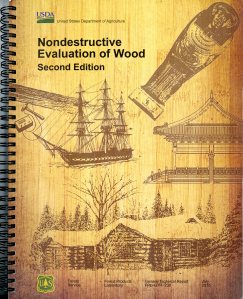
In the USDA Forest Service Forest Products Laboratory’s 2nd edition of Nondestructive Evaluation of Wood, Robert J. Ross’ synthesizes a number of technical writings on several commercially available nondestructive evaluation (NDE) of wood technologies. NDE is the sensibly non-damaging science of assessing properties and applications of a material without mucking up its long-term usability.

Ross opens with an executive summary of the characteristics of this biologically and industrially rich material. It will leave you pretty much convinced that wood is the virtuoso of the plant world. The spiral-bound compilation continues on in several chapters, with each contributor highlighting the usefulness of their respective testing method. Spoiler alert: ultrasonic veneer grading is the coolest sounding evaluative technique ever.

Dense with authoritative knowledge from forest product technologist, engineers, and research scientists, this publication may have you thinking, “I never thought this knowledge existed but I’m sure glad it’s out there.” Case in point: chapter seven’s research titled Nondestructive Testing in the Urban Forest by Drs. Allision & Wang of the Unversity of Wisconsin, Madison. They attest to “body language” as a method to visually inspect the “presence of internal decay.” Don’t we all wish our own medical examinations were that easy!

Moving on…

001-001-00703-0If you like trees and you like maps, then you need to get your mittens on a copy of the USDA’s new and improved tree atlas The National Individual Tree Species Atlas, a.k.a. the Modeled Atlas, is the product of the Forest Service’s Forest Health Technology Enterprise Team. They used permanent plot data to represent the actual distribution of 264 species throughout the treed zones of the United States.

Each tree was statistically modeled to climate, terrain, soil, and imagery data sets. The result is an impressive collection of accurate, fine-resolution geospatial products. Thumb through the broad, matte pages and you’ll find beautifully mapped individuals from such august tree families as cypress, pine, maple, birch, walnut, elm, olive, and mulberry (can’t mention them all but tree names are awesome!).

Again, trees + maps = tree species atlas. Boom! Make room on your coffee table for it.

How do I obtain these publications?

Shop Online Anytime: You can buy eBooks or print publications —with FREE Standard Shipping worldwide— from the U.S. Government Online Bookstore at http://bookstore.gpo.gov.

Shop our Retail Store: Buy a copy of any print editions from this collection at GPO’s retail bookstore at 710 North Capitol Street NW, Washington, DC 20401, open Monday–Friday, 9 a.m. to 4 p.m., except Federal holidays, Call (202) 512-0132 for information or to arrange in-store pick-up.

Order by Phone: Call our Customer Contact Center Monday through Friday, 8 am to 5:30 pm Eastern (except US Federal holidays). From US and Canada, call toll-free 1.866.512.1800. DC or International customers call +1.202.512.1800.

Visit a Federal depository library: Search for U.S. Government publications in a nearby Federal depository library. You can find the records for most titles in GPO’s Catalog of U.S. Government Publications.

About the author: Our guest blogger is Chelsea Milko, Public Relations Specialist in GPO’s Office of Public Affairs. 


Our Native Flying ‘Cheetos’: Bee Basics from the USDA Forest Service

October 8, 2015

001-000-04765-5“The world as we know it would not exist if there were no bees to pollinate the earth’s 250,000 flowering plants.”

A sobering sentence straight out of Bee Basics: An Introduction to Our Native Bees, a joint publication from the U.S. Department of Agriculture (USDA) Forest Service and the Pollinator Partnership. Authors Beatriz Moisset, Ph.D. and Stephen Buchmann, Ph.D. provide a concise primer on the fundamentals and cyclical heritage of our ‘varied and valuable’ native bees.

You may know that bees are sociable, resourceful, and resilient. But did you know that some species are downright parasitically opportunistic? The cuckoo bee is a member of the exclusively parasitic Apidae family. Once it scouts out a potential host site, it furtively waits out of view until the nest is vacated. Then, in a one-two-punch move, the cuckoo bee takes up residence and its young eventually shovel down up any pollen, nectar, and larva in sight.

Buchmann’s highly detailed illustrations of these pixie pollinators show how each species’ morphology is engineered for precise pollination. Bees use wing vibration to shake off a pollen-packed anther like a polaroid picture. This “buzz pollination” is a popular dance in bee social circles. The southeastern blueberry bee uses the same technology to gorge itself on blueberry pollen. Another pollination prodigy is the megachilid bee. Gathering so much puffy yellow pollen on its abdomen, it resembles, as the authors amusingly write, “flying ‘Cheetos’ snacks coming in for a landing.”

beesorwasps

Can you identify a bee from a wasp? Excerpt from publication. Click image to enlarge.

The publication also details the homemaker behaviors of bees. The metallic-colored sweat bee is the consummate DIY designer. Nesting itself in the underside of freely-available detritus tree bark, it uses a saliva-pollen amalgam to lovingly tile the interior of its egg chambers. Some domesticating mother bees though the use of mass provisioning—storing up enough food in their brood cell nursery to sustain each larvae for the entirety of their development. New moms, take note!

Bee Basics is a great compliment to citizen science efforts to enrich and sustain a pollinator-friendly ecosystem. It concludes with a ecological call to action. The list of worrisome environmental realities are extensive: honey bee die-offs, shrinking native ranges, pesticide use, fungal infestations, and more. Protecting the ecosystem well-being of these minuscule pollinators requires a concerted conservation effort and a respect for the priceless services they provide. Bees have more than paid their dues to this planet. And for that, we are indebted.

How do I obtain this publication?

Shop Online Anytime: You can buy eBooks or print publications —with FREE Standard Shipping worldwide— from the U.S. Government Online Bookstore at http://bookstore.gpo.gov.

Shop our Retail Store: Buy a copy of any print editions from this collection at GPO’s retail bookstore at 710 North Capitol Street NW, Washington, DC 20401, open Monday–Friday, 9 a.m. to 4 p.m., except Federal holidays, Call (202) 512-0132 for information or to arrange in-store pick-up.

Order by Phone: Call our Customer Contact Center Monday through Friday, 8 am to 5:30 pm Eastern (except US Federal holidays). From US and Canada, call toll-free 1.866.512.1800. DC or International customers call +1.202.512.1800.

Visit a Federal depository library: Search for U.S. Government publications in a nearby Federal depository library. You can find the records for most titles in GPO’s Catalog of U.S. Government Publications.

About the author: Our guest blogger is Chelsea Milko, Public Relations Specialist in GPO’s Office of Public Affairs. 


Government Publications Focus on American Agriculture

April 15, 2015

grange logoApril is National Grange Month, honoring one of the Nation’s oldest and most respected farmers’ organizations. According to its website, “The National Grange, founded in 1867, is a nonprofit, nonpartisan, fraternal organization that advocates for rural America and agriculture. With a strong history in grassroots activism, family values and community service, the Grange is part of more than 2,100 hometowns across the United States.” To help recognize the Grange’s contribution to rural America, Government Book talk is featuring the following publications focusing on American agriculture.

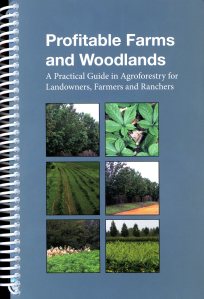
Profitable Farms and Woodlands: A Practical Guide in Agroforestry for 001-001-00694-7Landowners, Farmers and Ranchers. This practical handbook on agroforestry is organized in an easy to read format written for underserved and limited resource farmers and woodland owners living in the Southeastern U.S. It depicts step-by-step methods and principles on developing agroforestry practices for farmers and woodland owners for the purpose of enhancing the economic and environmental benefits of their farms and woodlands. Topics on agroforestry practices covered in this publication are Alley Cropping; Forest Farming; Riparian Buffer Strips; Silvopasture; and Windbreaks. This handbook will assist farmers and woodland owners establish, manage and market agroforestry projects that are diverse, integrated, profitable, healthy and sustainable.

001-000-04762-1Agricultural Statistics 2013 Agricultural Statistics is published each year to meet the diverse need for a reliable reference book on agricultural production, supplies, consumption, facilities, costs, and returns. Its tables of annual data cover a wide variety of facts in forms suited to most common use. Extensive table data include statistics of the following:
• Statistics of Grain and Feed
• Cotton, Tobacco, Sugar Crops, and Honey
• Oilseeds, Fats, and Oils
• Vegetables and Melons
• Hay, Seeds, and Minor Field Crops
• Cattle, Hogs, and Sheep
• Dairy and Poultry
• Insurance, Credit & Cooperatives
• Agricultural Conservation & Forestry
• Consumption & Family Living
• Fertilizers & Pesticides
• Miscellaneous Agricultural Statistics such as Foreign Agricultural Trade Statistics including exports, fisheries and more.

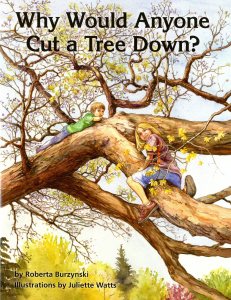
001-000-04759-1Why Would Anyone Cut a Tree Down? This delightful book shows children the life cycle of trees, showing that trees are a renewable resource as their seeds can be planted to make new trees grow. It also discusses the need to remove sick, flammable and other dangerous trees as well as the various uses for wood from cut trees. All of it is so beautifully illustrated in full color that the lessons come alive for adults and children alike.

How can I get these or other agriculture publications?

Shop Online Anytime: You can buy the following  publications (with FREE Standard Shipping worldwide) from the U.S. Government Online Bookstore website at http://bookstore.gpo.gov:

Order by Phone: You may also Order print editions by calling our Customer Contact Center Monday through Friday, 8 am to 5:30 pm Eastern (except US Federal holidays). From US and Canada, call toll-free 1.866.512.1800. DC or International customers call +1.202.512.1800.

Shop our Retail Store: Buy a copy of any print editions from this collection at GPO’s retail bookstore at 710 North Capitol Street NW, Washington, DC 20401, open Monday–Friday, 9 a.m. to 4 p.m., except Federal holidays, Call (202) 512-0132 for information or to arrange in-store pick-up.

Visit a Federal depository library: Search for U.S. Government publications in a nearby Federal depository library. You can find the records for most titles in GPO’s Catalog of U.S. Government Publications.

About the author: Trudy Hawkins is Senior Marketing and Promotions Specialist in GPO’s Publication & Information Sales Division supporting the U.S. Government Online Bookstore (http://bookstore.gpo.gov).


Now Available: Scientific Report of the 2015 Dietary Guidelines Advisory Committee

March 4, 2015
(Image source nationalnutritionmonth.org)

(nationalnutritionmonth.org)

March is National Nutrition Month, a great time to focus on the importance of developing good eating habits. To coincide with this important event about maintaining a healthy diet, the Dietary Guidelines Advisory Committee has just released its 2015 scientific report. The report which includes recommendations that will eventually be incorporated into the Dietary Guidelines for Americans, 2015 provides new changes, in contrast to previous guidelines. For instance, until now, overconsumption of cholesterol was long considered to be bad for the American diet. However, according to the recommendations outlined in the new report, cholesterol is no longer “a nutrient of concern.” To read more about this and other eye opening revelations contained in the report, which is now available through the DietaryGuidelines.gov website, see information below.

From HHS Office of Disease Prevention and Health Promotion (ODPHP)

Get Involved: The “Scientific Report of the 2015 Dietary Guidelines Advisory Committee” (Advisory Report) is now open for public review and comment. An official announcement will also publish in the Federal Register. To read the Advisory Report and submit your comments, visit DietaryGuidelines.gov.

Advisory Report: An advisory committee of independent experts – the 2015 Dietary Guidelines Advisory Committee (or Committee) – has submitted its report to the Secretaries of the Department of Health and Human Services (HHS) and Agriculture (USDA). The “Scientific Report of the 2015 Dietary Guidelines Advisory Committee” describes findings from the Committee’s review of the scientific evidence on diet, nutrition, and health, and will help inform the next edition of the Dietary Guidelines.

Upcoming Public Meeting: HHS and USDA will host a public meeting at the National Institutes of Health in Bethesda, Maryland on Tuesday, March 24, 2015 to receive public oral comments on the “Scientific Report of the 2015 Dietary Guidelines Advisory Committee.” Meeting registration for in-person and webcast registration will open March 9, 2015 on www.DietaryGuidelines.gov.

Those interested in providing oral testimony will be able to specify their request upon registration. Capacity for oral testimony is limited to 70 individuals with 10 on stand-by. Testimony participants will be accepted on a first-come, first-served basis. The meeting facility provides ample space for in-person attendance and live webcast viewing will be available. Oral testimony can only be given in-person.

Next Steps: HHS and USDA will use the Advisory Report along with input from federal agencies and public comments to develop the next edition of the Dietary Guidelines for Americans. HHS and USDA will release the Dietary Guidelines for Americans, 2015 by end of the year.

Interested in more information on diet and nutrition? The U.S. Government Bookstore offers the following publications on diet, nutrition, and health.

About the author: Trudy Hawkins is Senior Marketing and Promotions Specialist in GPO’s Publication & Information Sales Division supporting the U.S. Government Online Bookstore (http://bookstore.gpo.gov).