The Life & Death of JFK—A GPO Collection

November 19, 2015

“A man may die, nations may rise and fall, but an idea lives on.“ –President John F. Kennedy

35_john_f_kennedy[1]

John F. Kennedy was the 35th President of the United States (1961-1963), the youngest man elected to the office. (Image source: whitehouse.gov)

Just as JFK’s purposeful idealism moved and shaped our nation, his November 22nd, 1963 assassination was a defining moment in American history.

Amid the aftershock of that dreadful day, President Lyndon B. Johnson directed an independent commission to investigate Kennedy’s death. In 1964, GPO employees proofed, printed, and bound the official President’s Commission on the Assassination of President Kennedy, commonly known as the Warren Commission Report. Fascinating stories about the heavily secure production process and overwhelming public interest are presented in these two GPO videos:

https://www.youtube.com/watch?v=IoKPEVN7L1s

https://www.youtube.com/watch?v=jzyJyWBqd9E

JFK-Assassination_WARREN-COMMISSION-REPORTIn 2013, nearly 50 years after it was released to the public, GPO digitized the complete 889-page report and its 26 hearing volumes. The digitization effort was a very different task compared to the 235,000 report copies and nearly 5,600 sets of the hearings originally printed! The free digital edition of the Warren Commission Report is available online through GPO’s Federal Digital System.

In addition, GPO makes available a variety of Kennedy gov docs. Click over to the GPO Bookstore collection for Federal publications about the life of the slain 35th president and his momentous 1000 days in office. Works on the Cuban Missile Crisis, founding of the Peace Corps (proud RPCV here!), and NASA’s manned space program await you.

From 1960s print to modern day digital, GPO’s information products are a permanent tribute to a presidential legacy imprinted on the annals of U.S. history.

How do I obtain JFK publications?

You can find official John F. Kennedy publications by clicking here or through any of these methods:

Shop Online Anytime: You can buy eBooks or print publications —with FREE Standard Shipping worldwide— from the U.S. Government Online Bookstore at http://bookstore.gpo.gov.

Shop our Retail Store: Buy a copy of any print editions from this collection at GPO’s retail bookstore at 710 North Capitol Street NW, Washington, DC 20401, open Monday–Friday, 9 a.m. to 4 p.m., except Federal holidays, Call (202) 512-0132 for information or to arrange in-store pick-up.

Order by Phone: Call our Customer Contact Center Monday through Friday, 8 am to 5:30 pm Eastern (except US Federal holidays). From US and Canada, call toll-free 1.866.512.1800. DC or International customers call +1.202.512.1800.

Visit a Federal depository library: Search for U.S. Government publications in a nearby Federal depository library. You can find the records for most titles in GPO’s Catalog of U.S. Government Publications.

About the author: Our guest blogger is Chelsea Milko, Public Relations Specialist in GPO’s Public Relations Office.


2015 Counterterrorism Calendar Now Available

January 14, 2015

The National Counterterrorism Center (NCTC) has released its annual Counterterrorism Calendar for 2015. This year’s calendar features a few updates, such as the inclusion of ISIS leader Abu Bakr al-Baghdadi and two women.

2015 Counterterrorism CalendarThe goal behind the Counterterrorism Calendar is to educate and inform both professionals– first responders, military, intelligence, law enforcement and other counterterrorism personnel– as well as civilians about the threats of international terrorism and how to prevent, respond or mitigate these threats against the United States both at home and abroad.

Under the Office of the Director of National Intelligence, the National Counterterrorism Center or NCTC serves as the primary organization in the U.S. government for integrating and analyzing all intelligence possessed or acquired by the U.S. government about international terrorism, including data from U.S. Federal agencies like the CIA, NSA, Defense Intelligence Agency, and the FBI as well as other domestic and international sources.

First published in a spiral-bound daily planner format in 2003, just two years after the World Trade Center attacks, the Counterterrorism or CT Calendar from the NCTC is published annually. According to the NCTC, their 2015 Counterterrorism Calendar:

…provides information on known terrorist groups, individual terrorists, and technical information on topics such as biological and chemical threats. This edition, like others since the Calendar was first published in daily planner format in 2003, contains many features across the full range of issues pertaining to international terrorism: terrorist groups, wanted terrorists, and technical pages on various threat-related topics.

Features of the Calendar

In addition to serving as a desk calendar / event planner, the 160-page 2015 Counterterrorism Calendar also serves as a tutorial on international terrorism and a gallery of “most wanted” terrorists.

The right-hand page of the planner has the event planner dates along with key historical events of significance to terrorists that might be used to plan future terrorist activities. For example, on January 8, 1998, terrorist Ramzi Ahmed Yousef was sentenced to life plus 240 years for his role in the 1993 World Trade Center bombings.

On the left-hand pages are photos, maps and/or data on terrorists and terrorist organizations around the world, from Africa and the Middle East to Europe and the Americas.

“Terrorism tutorial” information ranges from cultural—details about the Islamic Calendar; the spelling of Arabic names and terms; lists of Foreign Terrorist Organizations (FTOs), and logos used— to technical –  information about Chemical-Biological-Radiological-Nuclear-Explosive (CBRNE) weapons commonly used by terrorists, from suicide bombs to sarin gas, and how to detect and mitigate them.  For example, who among us would recognize the terrorist threat from these innocent-looking beans?

Castor-beans-used-to-make-ricin

Image: Photo of castor beans from which the deadly toxin ricin is extracted. Ricin is poisonous if inhaled, injected, or ingested. Source: NCTC 2015 Counterterrorism Calendar

“Wanted” Terrorists

Providing the real drama of the calendar are the full-page “Wanted” poster-style pages of an individual terrorist, complete with photo (if available), aliases, his terrorist activities, the reward offered, and how to report information about him.

One of the largest rewards, $25 Million, is offered for information leading to the capture of Ayman al-Zawahiri, also known as “The Teacher” or “The Doctor” who is a physician and the founder of the Egyptian Islamic Jihad. According to the CT Calendar:

“This organization opposes the secular Egyptian Government and seeks its overthrow through violent means. Al-Zawahiri is believed to have served as an advisor and doctor to Usama Bin Ladin. He has been indicted for his alleged role in the August 7, 1998, bombings of the US embassies in Dar es Salaam, Tanzania, and Nairobi, Kenya. The embassy bombings killed 224 civilians and wounded over 5,000 others.”

Image: Extract from the “wanted” page of Ayman al-Zawahiri, Al-Qaida leader and founder of Egyptian Islamic Jihad. Source: NCTC 2015 Counterterrorism Calendar

Image: Extract from the “wanted” page of Ayman al-Zawahiri, Al-Qaida leader and founder of Egyptian Islamic Jihad. Source: NCTC 2015 Counterterrorism Calendar

Civilian Involvement

Finally, the NCTC carries on the civilian involvement tradition by including instructions for citizens of the U.S. and other countries on how they can help fight terrorism. Pages on “Indicators of False Travel Documents” and how U.S. residents can report suspicions are provided. Additionally, the  Rewards for Justice (RFJ) Program is described in detail, wherein the U.S. Secretary of State may offer rewards for information that prevents or favorably resolves acts of international terrorism against US persons or property worldwide.

On the last page is a Bomb Threat Call Procedures form with valuable details of questions to ask and information to note about the caller, such as his or her voice (accent, age, tone, language) and background sounds. Did you note if the caller was clearing his throat or had an accent? Were there sounds of machinery in the background? What kind? Any and all details could help law enforcement.

Image: Table from the Bomb Threat Call Procedures form. Source: Page 160 of the 2014 Counterterrorism Calendar.

Image: Table from the Bomb Threat Call Procedures form. Source: Page 160 of the 2015 Counterterrorism Calendar.

Forewarned is Forearmed

Like the tradition of the best Government civilian campaigns since the founding of the Nation, the National Counterterrorism Center’s annual Counterterrorism Calendar is simultaneously meant to alert and inform us, making both civilians and professionals alike aware of the very real dangers around us and educating us on what—and whom—to look for.

How can I get a copy of the National Counterterrorism Center’s 2015 Counterterrorism Calendar?

  • Shop Online: You can purchase this calendar from the U.S. Government Online Bookstore at http://bookstore.gpo.gov by:
  • Order by Phone: Call our Customer Contact Center Monday through Friday, 8 am to 5:30 pm Eastern (except US Federal holidays). From US and Canada, call toll-free 1.866.512.1800. DC or International customers call +1.202.512.1800.
  • Shop our Retail Store: Buy a copy of any print editions from this collection at GPO’s retail bookstore at 710 North Capitol Street NW, Washington, DC 20401, open Monday–Friday, 9 a.m. to 4 p.m., except Federal holidays, Call (202) 512-0132 for information or to arrange in-store pick-up.
  • Visit a Federal Depository Library: Search for it in a nearby Federal depository library.

About the Author: Adapted by Trudy Hawkins, Senior Marketing and Promotions Specialist in GPO’s Publication & Information Sales Division in Washington, DC, from an original post by Michele Bartram, former Government Book Talk Editor in support of the U.S. Government Online Bookstore (http://bookstore.gpo.gov).


Celebrate American Indian Heritage

November 20, 2014

In 1990, President George H. W. Bush proclaimed November as “National American Indian Heritage Month,” as requested in Public Law 101-343. Since then, proclamations and legislation have been passed to recognize the history and culture of Native American Indian and Alaskan Native tribes during the month of November. You can read many of the past proclamations and legislation on GPO’s Federal Digital System (FDsys).

For example:

There are many documents related to designation of November as a celebration of Native American heritage. In addition, many documents about the celebration are available in Federal depository libraries located nationwide or online through GPO’s Catalog of U.S. Government Publications.

History

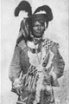
The effort to recognize and celebrate American Indian Heritage at a national level began a century ago. Dr. Arthur Caswell Parker, director of the Rochester Museum in New York and founder of American Indian rights organizations, persuaded the Boy Scouts of America to commemorate a day for “First Americans” in 1912.

Image courtesy of nps.gov

Image courtesy of nps.gov

Several declarations by American Indian Groups have designated a day in May as well as September for commemorating Native Americans. Additional historical information is available on the U.S. Department of the Interior Indian Affairs Web Site. The site also provides a list of Congressional Resolutions and Presidential Proclamations. Many of those are available through FDsys, or in the collections at Federal depository libraries. The Library of Congress also has a Web site with information about Native American Heritage Month.

Federal Observance of an official day or week to celebrate Native culture began in 1976 with a Congressional Resolution authorizing President Ford to declare on October 8, “Native American Awareness Week.” Every year thereafter, a proclamation has been made to celebrate a day or month in honor of American Indians. According to a Library of Congress information page about the history, it began in 1986 with Public Law 99-471 and President Reagan’s Proclamation 5577 declaring November 23-30, 1986 as “American Indian Week.” In 1992, Public Law 102-188 declared the entire year of 1992 as “Year of the American Indian.”

President Obama made the 2014 proclamation on October 31. You can check the White House Web Site for other Presidential Proclamations. Historical proclamations are included in publications such as the Public Papers of the Presidents of the United States and the U.S. Statutes at Large. These can also be accessed in Federal depository libraries nationwide.

Native American Day – October

Many States in the U.S. also celebrate a Native American Day.

Recently the California State Legislature proclaimed the Fourth Friday in September as Native American Day. American Indian Day has been celebrated in Tennessee since 1994.

native american image 1

Image courtesy of nps.gov

In South Dakota, the second Monday in October is celebrated as Native American Day, rather than Columbus Day. Codified State Law 1-5-1.2 states that “Native Americans’ Day is dedicated to the remembrance of the great Native American leaders who contributed so much history” to the state of South Dakota.

Other annual events occur throughout the year, such as the annual Native American Heritage Days held in Grand Canyon National Park. The twenty-first annual event was held this year from August 7-8, 2014

Educational Resources

Whether celebrating a day, month or year, you can take any opportunity to learn more about the history and culture of the indigenous peoples of North America.

The National Library of Medicine recently created the exhibition Native Voices: Native People’s Concepts of Health & Illness. Visitors can see the exhibit in the rotunda gallery of the National Library of Medicine, or visit the traveling exhibition. The Exhibition opened in Honolulu Hawaii on July 18th, and is currently in Sulphur, Oklahoma until October 24, 2014. For those unable to visit in person, the Web site includes videos, timelines, and resources about the exhibition and content.

Image courtesy of The University of Iowa (Digital Library)

Image courtesy of The University of Iowa (Digital Library)

The National Archives contains a wealth of records relating to American Indians from about 1774 through the 1990s. Their Web site provides a helpful research guide for accessing these collections. The U.S. Department of Housing and Urban Development has created an informative guide on Native American Heritage through the Indian Housing’s Office of Native American Programs (ONAP). The U.S. Department of Defense also has a detailed Web guide created for the 2001 American Indian Heritage Month.

The Smithsonian National Museum of the American Indian is a valuable educational resource visitors to Washington, D.C. can explore. Those unable to visit in person can explore some of the collections online.

There are also several books and series published by Federal agencies and available from the Government Printing Office bookstore to learn more about Native cultures, history, and recent events:

  • Handbook for North American Indians series047-000-00415-2This series, produced by the Smithsonian Institution is an extensive reference set providing an encyclopedic summary of the prehistory, history, and cultures of the aboriginal peoples of North America.
  • The Eagle Book serieseagle book series imageThis is an award winning series developed through collaboration with the U.S. Department of Health and Human Services Center for Disease Control and Prevention Native Diabetes Wellness Program, the Indian Health Service Division of Diabetes Treatment and Prevention, and the Tribal Leaders Diabetes committee. What began as the book “Through the Eyes of the Eagle” is now a full series written for elementary and middle school children and includes a guide for educators and communities.
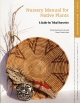
  • Nursery Manual for Native Plants: A Guide for Tribal Nurseriesnursery manual for native plantsAgricultural Handbook 730, produced by the Forest Service, is a coordinated effort with the Virtual Center for Reforestation, Nurseries, and Genetic Resources and representatives from tribes across the United States to create a manual with special attention to the uniqueness of Native American Cultures. There is also access to the full PDF online.
  • The Children’s Bureau Legacy: Ensuring the Right to ChildhoodThe Children's Bureau LegacyHistory of the bureau from 1912-2012 is detailed here, including information about Indian Boarding Schools and the Indian Adoption Program.
  • Iroquois Warriors in Iraq – This publication analyzes the role of the Iroquois’ Warriors of the UW Army Reserve’s 90th Division, which was deployed to Iraq in 2004.

HOW DO I OBTAIN THESE PUBLICATIONS?

In addition to clicking on the links in the article above to find the publications, you may find these publications from the following:

Shop Online Anytime: You can buy these and other print publications (with FREE Standard Shipping worldwide) from the U.S. Government Online Bookstore Web site at http://bookstore.gpo.gov:

Shop our Retail Store: Buy a copy of any print editions from this collection at GPO’s retail bookstore at 710 North Capitol Street NW, Washington, DC 20401, open Monday–Friday, 9 a.m. to 4 p.m., except Federal holidays, Call (202) 512-0132 for information or to arrange in-store pick-up.

Order by Phone: Call our Customer Contact Center Monday through Friday, 8 am to 5:30 pm Eastern (except US Federal holidays). From US and Canada, call toll-free 1.866.512.1800. DC or International customers call +1.202.512.1800.

Visit a Federal Depository Library: Search for these in a nearby Federal depository library.

About the author: Cathy Wagner is an Outreach Librarian with the Outreach & Support team in the Library Services & Content Management (LSCM) unit at the Government Printing Office.


A Star-Spangled Anniversary

September 12, 2014
Image: Celebrating the 200th Anniversary of our National Anthem http://www.starspangled200.com/

Image: Celebrating the 200th Anniversary of our National Anthem (http://www.starspangled200.com/)

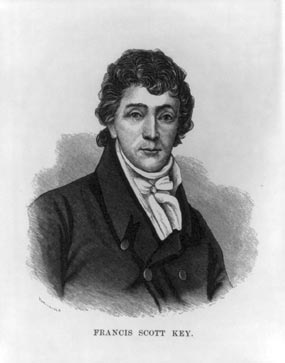
September 2014 marks the 200th anniversary of the United States National Anthem, “The Star-Spangled Banner.” In September 1814, after a 25-hour long battle with the British, U.S. soldiers at Baltimore’s Fort McHenry raised a 42-foot American flag in victory. A young Francis Scott Key, a Maryland-born attorney, was aboard a ship in Baltimore’s harbor to negotiate the release of an American prisoner and was so inspired by the patriotic sight that he wrote “The Star-Spangled Banner.”

Image source: nps.gov

Francis Scott Key (nps.gov)

If you’re lucky enough to be in Maryland during the month of September, the Star-Spangled Spectacular is a free festival that celebrates the 200th anniversary of our National Anthem. Tall ships, Navy ships, and the Blue Angels will come to Baltimore’s Inner Harbor. Landside festivals include living history demonstrations. Events crescendo on September 13, 2014 with two star-studded patriotic concerts and extraordinary fireworks display over Fort McHenry and the Baltimore harbor, which will broadcast live on PBS’ Great Performances. Learn more here.

You can check out the National Park Service’s Fort McHenry page for details about the park, its history, and the festivities.

The U.S. Government Printing Office offers publications and resources to help you learn more about this pivotal point in American history.

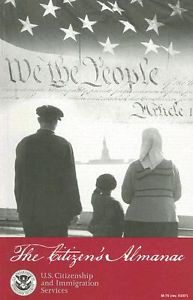
citizens almanacAvailable through the U.S. Government Bookstore, The Citizen’s Almanac: Fundamental Documents, Symbols, and Anthems of the United States, contains information on the history, people, and events of the United States. This resource is primarily targeted at immigrants hoping to become U.S. citizens. However, it can also serve as a patriotic resource for elementary school-age children through freshmen in high school. Teachers of social studies and civics programs may want to have a copy handy to use in classrooms. Some examples of things covered in the publication are: rights and responsibilities of citizens, the Star-Spangled Banner, the Pledge of Allegiance, the Gettysburg Address, the Constitution, landmark decisions of the Supreme Court, and much more. A related resource is the Civics and Citizenship Toolkit.

GPO’s Federal Digital System also has a variety of Government documents related to the Star-Spangled Banner:

Star Spangled Banner Flag on display at the Smithsonian's National Museum of History and Technology, around 1964

Star Spangled Banner Flag on display at the Smithsonian’s National Museum of History and Technology, around 1964

GPO’s Catalog of U.S. Government Publications provides access to a fascinating document from the Smithsonian, National Museum of American History: The Star-Spangled Banner: State-of-the-Flag Report, 2001. This document describes the history of THE flag that inspired our National Anthem, where it has traveled since 1814, the conservation project undertaken to preserve it for future generations, and more.

Also check out this information from the Smithsonian on the Star-Spangled Banner. You can also learn about the flag’s preservation project here. You can also learn more about Francis Scott-Key here.

You can also visit a Federal depository library near you to discover what other publications the Federal Government has to offer on this incredible moment in American history. Locations are nationwide. Find the Federal depository nearest you by visiting the Federal Depository Library Directory.

HOW DO I OBTAIN THESE PUBLICATIONS?

In addition to clicking on the links in the article above to find the publications, you may find these publications from the following:

Shop Online Anytime: You can buy these print publications (with FREE Standard Shipping worldwide) from the U.S. Government Online Bookstore website at http://bookstore.gpo.gov:

Order by Phone: You may also order print editions by calling GPO’s  Customer Contact Center Monday through Friday, 8 am to 5:30 pm Eastern (except US Federal holidays). From US and Canada, call toll-free 1.866.512.1800. DC or International customers call +1.202.512.1800.

Shop our Retail Store: Buy a copy of any print editions at GPO’s retail bookstore at 710 North Capitol Street NW, Washington, DC 20401, open Monday–Friday, 9 a.m. to 4 p.m., except Federal holidays, Call (202) 512-0132 for information or to arrange in-store pick-up.

About the author: Our guest blogger is Kelly Seifert, Lead Planning Specialist for GPO’s Library Services & Content Management Division that supports the Federal Depository Library Program.


Remembering 9/11: Tales of Heroes and Tough Lessons

September 11, 2014

9-11 Decade of Remembrance Twin Towers and Pentagon Logo designed by David McKenzie at the Government Printing OfficeIn remembrance of the terrorist attacks of September 11, 2001, Government Book Talk revisits blogger Michele Bartram’s post from September 11, 2013.

There are certain moments and events that are etched in our national consciousness. Ask any American who was alive in the 60’s where he or she was when John F. Kennedy or Martin Luther King was assassinated and you will hear a stirring personal story. For our generation, it was September 11, 2001.

Image: September 11 Decade of Remembrance logo with World Trade Center Twin Towers surrounded by a figure representing the Pentagon. Created by David McKenzie with the Government Printing Office for the U.S. Government Bookstore.

I was right across from the Twin Towers twelve years ago today, getting ready to board a ferry for my daily commute from New Jersey across the Hudson River into Manhattan, when I saw the second plane hit the World Trade Center right across from me. So, too, I cried with a group of strangers as we stood on the ferry platform and watched in horror as the first tower fall, saw the dust cloud rise and felt the earth—and the world—tremble.

America and Americans have changed since that day… twelve years ago today. We have since heard stirring stories of heroes and sacrifice, and learned many grim lessons that are still affecting both policy and people today.

Many of these stories of heroism, missed opportunities, and resulting actions have been painstakingly and faithfully chronicled by a wide array of Federal agencies, ensuring the sacrifices and lessons are not forgotten.

Responding to the Tragedies

Both in New York and the Pentagon in Washington, DC, we saw how first responders and medical personnel rushed to save lives. These excellent publications tell the stories of the heroes from that day:

  • 008-000-01049-8Pentagon 9/11 (10th Anniversary Edition) (Paperback) includes a foreword by Secretary of Defense Leon Panetta and provides the most comprehensive account available of the 9/11 attack on the Pentagon and aftermath, including unprecedented details on the impact on the Pentagon building and personnel and the scope of the rescue, recovery, and care-giving effort.
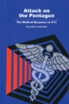
  • 008-000-01048-0Attack on the Pentagon: The Medical Response to 9/11 not only tells the personal stories from medical personnel responding to the attack on the Pentagon, but also provides insight from MEDCOM officers detailed to New York to support National Guard troops guarding ground zero’s perimeter. It also includes the Army’s involvement in the recovery of deceased attack victims at the Pentagon and the work of the Armed Forces Institute of Pathology in identifying human remains at Dover Air Force Base. In addition, the roles of military and civilian hospital staffs and of military environmental health and mental health specialists in taking care of attack victims and their families are also examined.

Tough Lessons

The single must-read for every American about September 11 is the official version of The 9/11 Commission Report: Final Report of the National Commission on Terrorist Attacks Upon the United States. This publication lists the findings of the National 9/11 Commission, listing all the painful errors made leading up to the terrorist attacks and outlining specific recommendations for international, national, state and local changes in policy and procedures that the panel of experts felt needed to be implemented to ensure a similar attack never happened again. This seminal publication has served to inform all subsequent policies and legislation since 9/11. It is available in print or as an eBook.

911-commission-report

Image: Launch of the 9/11 Commission Report. Courtesy: CSMonitor.com

The Senate, Select Committee on Intelligence, and House, Permanent Select Committee on Intelligence examined the intelligence failures leading up to 9/11 and jointly published the results in United States Congressional Serial Set, Serial No. 14750: Joint Inquiry Into Intelligence Community Activity Before and After Terrorists Attacks of September 11, 2001 With Errata.

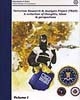
027-001-00097-1Additional insights into the causes of and responses to terrorism can be gleaned from Terrorism Research and Analysis Project (TRAP): A Collection of Research Ideas, Thoughts, and Perspectives, V. 1. This publication provides the findings from the post-9/11 FBI Terrorism Research and Analysis Project (TRAP) Symposium. TRAP is a leading research consortium made up of international/domestic academics and law enforcement officers, and is a working group sponsored by the FBI’s Behavioral Science Unit. In it, these counter-terrorism experts provide a better understanding of the causes of terrorist activity and possible government response tactics to mitigate terrorist actions.

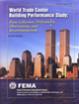
064-000-00029-2As we watch the new World Trade Center going up in New York, we can be assured that builders are incorporating architectural and construction lessons learned from the World Trade Center Building Performance Study: Data Collection, Preliminary Observations, and Recommendations.

Policy and Legislative Response

United States Congressional Serial Set, Serial No. 14924, House Report No. 724, 9/11 Recommendations Implementation Act, Pts. 1-6 outlines the specific legislative changes enacted by Congress, providing both background and justifications for them along with attribution.

A print copy of the law itself can be purchased here: Implementing Recommendations of the 9/11 Commission Act of 2007, Public Law 110-53 along with the details of the various committee conferences contributing to it in Implementing Recommendations of the 9/11 Commission Act of 2007, Conference Report to Accompany H.R. 1, July 25, 2007.

Defending the Homeland since 9/11

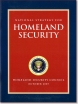
041-001-00657-5National Strategy for Homeland Security (October 2007) provides the common framework outlined by the George W. Bush Administration to guides, organize and unify the United States’ homeland security efforts.

008-000-01068-4A new publication from the Air Force Reserve called Turning Point 9.11: Air Force Reserve in the 21st Century, 2001-2011 tells the story of how the Air Force Reserve responded to 9/11 and have contributed to the security of the United States in a post-September 11 world.

050-012-00440-4In a similar vein, Rogue Wave: The U.S. Coast Guard on and After 9/11 chronicles the involvement of the U.S. Coast Guard on that fateful day and the evolving role in national and world security since.  Part of the Coast Guard 9/11 response is told in this touching video about the boatlift to evacuate people from lower Manhattan is told in a video narrated by Tom Hanks entitled: BOATLIFT, An Untold Tale of 9/11 Resilience.”

A touching video about the boatlift to evacuate people from lower Manhattan on 9/11 (September 11) is told in a video narrated by Tom Hanks entitled: BOATLIFT, An Untold Tale of 9/11 Resilience. Click on the image above or this link to view the “Boatlift” video.

The upcoming U.S. Army War College Guide to National Security Issues, Volume 2: National Security Policy and Strategy provides a summarized look at the national security curriculum now taught to our nation’s top military and civilian leaders by the U.S. Army War College. Revised with the lessons learned from the years since 9/11, this publication includes a chapter on ”Securing America From Attack: The Defense Department’s Evolving Role After 9/11.”

How can I obtain these Federal 9/11 publications?

  • Shop Online: Print Editions of these 9/11-related publications may be ordered from the U.S. Government Online Bookstore at http://bookstore.gpo.gov, by clicking on the links above in this blog post or shopping our Terrorism & 9/11 History collection under our US & Military History category.
  • Order by Phone: Call our Customer Contact Center Monday through Friday, 8 am to 5:30 pm Eastern (except US Federal holidays). From US and Canada, call toll-free 1.866.512.1800. DC or International customers call +1.202.512.1800.
  • Visit our Retail Store: Buy copies of these publications at GPO’s retail bookstore at 710 North Capitol Street NW, Washington, DC 20401, open Monday–Friday, 9 a.m. to 4 p.m., except Federal holidays, Call (202) 512-0132 for information or to arrange in-store pick-up.
  • Find them in a Library: Find these publications in a federal depository library.

About the author: Adapted by Trudy Hawkins, Writer and Marketing Specialist in GPO’s Publication & Information Sales Division in Washington, DC, from an original post by Michele Bartram, former Government Book Talk Editor in support of the U.S. Government Online Bookstore (http://bookstore.gpo.gov).


The Capitol Building and Dome

August 26, 2014

From 1793 until today, the Capitol building in Washington, D.C. has been a topic of interest—and has been the subject of several Government publications! The Capitol dome is soon to be covered with scaffolding for two years for a restoration project, so let’s try to uncover some Capitol treasures before that happens.

Proposed scaffolding for Capitol dome restoration Architect of the Capitol

Proposed scaffolding for Capitol dome restoration
Architect of the Capitol

History of the Capitol

Representative Rufus Choate in 1833 came up with this idea: “We have built no national temples but the Capitol; we consult no common oracle but the Constitution.” Do you agree? You’ll find that quote as well as plenty more information about the building in the book History of the United States Capitol: A Chronicle of Design, Construction, and Politics, also known as S. Doc. 106-29 and part of the Congressional Committee Materials collection on GPO’s Federal Digital System (FDsys). If you’re a more down to earth person and want details on the cost of building the Capitol, check out Chapter 10 of H. Doc. 108-240, Glenn Brown’s History of the United States Capitol , also available on FDsys.

Capitol dome/Dome restoration

The Capitol dome is part of what makes it one of the most recognizable buildings in the country—but did you know it is not the first dome that was on the building? The current dome was designed by Thomas U. Walter and built over 150 years ago, from 1855-1866. The first dome was designed by Charles Bulfinch and finished in 1824. The last time the dome was restored was 1959-1960, and the cast iron now has more than 1,000 cracks, so it’s about to get restored in a two-year project.

Capitol in 1834 with Bulfinch dome Library of Congress (http://www.loc.gov/pictures)/item/2002711965/>

Capitol in 1834 with Bulfinch dome
Library of Congress

Capitol artwork

What about inside the building? The National Statuary Hall Collection has two statues from every U.S. state, and H.R. 5711 was introduced in the 111th Congress (2010) to allow U.S. territories to furnish statues for the hall too. Illinois was the first state to send a statue of a woman —educator and reformer Frances E. Willard’s statue was installed in 1905.

Restoring the Dome Architect of the Capitol

Restoring the Dome
Architect of the Capitol

To Make Beautiful the Capitol: Rediscovering the Art of Constantino Brumidi

brumidi-to-make-beautiful-the-capitolThe Capitol also contains striking artwork by Constantino Brumidi. This Italian artist came to the United States when he was almost fifty years old. Brumidi embraced American history and the United States, signing himself “C. Brumidi Artist Citizen of the U.S.” on one of his Capitol frescoes. Read more about Brumidi and his work in To Make Beautiful the Capitol: Rediscovering the Art of Constantino Brumidi, Constantino Brumidi: Artist of the Capitol, or at the Architect of the Capitol’s Web site.

North Brumidi Corridor Architect of the Capitol

North Brumidi Corridor
Architect of the Capitol

Fun facts and more

S.R. 7, 40th Congress, 1867 Library of Congress

S.R. 7, 40th Congress, 1867
Library of Congress

For those who like historical tidbits (and cider), check out joint resolution S.R. 7 from 1867 prohibiting alcoholic beverages in the Capitol . . . or the 2011 hearing on “Nuclear Energy Risk Management” before a House committee which says the granite of the Capitol building means it has “some of the highest radiation levels in all of the United States, about 85 millirem per year.” (But don’t worry, cross-examination reveals that that level is just “normal radiation exposures from natural background.”) And finally, for even more detail, historical facts, and great images, don’t forget to check out the fabulous Web site of the Architect of the Capitol – they are experts on this fascinating building!

HOW DO I OBTAIN THESE PUBLICATIONS?

In addition to clicking on the links in the article above to find the publications, you may find these publications from the following:

Visit a Federal Depository Library: Search for U.S. Government publications in a nearby Federal depository library. You can find the records for most titles in the Catalog of U.S. Government Publications (CGP)

Shop Online Anytime: You can buy these print publications (with FREE Standard Shipping worldwide) from the U.S. Government Online Bookstore website at http://bookstore.gpo.gov:

Order by Phone: You may also order print editions by calling GPO’s  Customer Contact Center Monday through Friday, 8 am to 5:30 pm Eastern (except US Federal holidays). From US and Canada, call toll-free 1.866.512.1800. DC or International customers call +1.202.512.1800.

Shop our Retail Store: Buy a copy of any print editions at GPO’s retail bookstore at 710 North Capitol Street NW, Washington, DC 20401, open Monday–Friday, 9 a.m. to 4 p.m., except Federal holidays, Call (202) 512-0132 for information or to arrange in-store pick-up.

About the author: Lara Otis is an Outreach Librarian for the U.S. Government Printing Office’s Library Services & Content Management (LSCM) Division.


Commemorate the Centennial of the Panama Canal

August 12, 2014
Roosevelt on a digging machine During Construction in 1906 (Library of Congress)

Roosevelt on a digging machine During Construction in 1906 (Library of Congress)

On August 15, 1914 the Panama Canal officially opened, and the SS Ancón was the first vessel to pass through. This August marks the 100th Anniversary of the Panama Canal. Congress began to consider a canal between the Atlantic and Pacific Oceans in the 1880s. It was determined essential for commerce and defense. There are several online guides commemorating the 100th Anniversary of the Canal. You can follow 100 Days in Honor of 100 Years with a countdown to the anniversary and posts about significant moments in history from the Embassy of the United States in Panama. Also check out the online resource guide from a GPO partner, Panama and the Canal that is a joint project from the University of Florida George A. Smathers Libraries and the Panama Canal Museum. It contains a wealth of information about digital history records, maps, and documents. To celebrate the Centennial, University of Florida has put together a Web site about special exhibits and the anniversary.

History

Signing of the Hay-Bunau-Varilla Treaty from Embassy of the United States Panama

Signing of the Hay-Bunau-Varilla Treaty from Embassy of the United States Panama (http://panama.usembassy.gov)

After much debate on where to build the canal, on February 23, 1904, a Senate Resolution ratified the Hay-Bunau-Varilla Treaty, which gave the United States control of the Canal Zone in perpetuity. This overruled an earlier treaty, The Clayton-Bulwer Treaty, which was negotiated with the British in 1850 to stop hostilities in Latin America over control of a Canal Zone. That treaty agreed the countries would work together towards the goal of a Canal. (A statue of John Middleton Clayton stands in the U.S. Capitol as part of the National Statuary Hall Collection.)

Official Panama Canal HandbookOnce Panama was agreed as the location and the U.S. determined to go the project alone, construction continued on an attempt in the 1880s by a French Expedition to build a canal through Panama. An overview of the history of the building of the Canal is available on the U.S. Department of State Office of the Historian Web site.

Some Official Handbooks from early days of the Canal are available online. See the 1913 edition or the 1915 edition available from the depository collection of the University of Florida, or this 1911 edition from the Internet Archive. You can also visit Federal depository libraries nationwide to see what documents are available in their collections.

The Library of Congress Newspaper & Current Periodical Reading Room provides some links to history and some historic articles about the Canal.

Jimmy Carter and Omar Torrijos at the ceremony for signing the Panama Canal Treaty (1977) - U.S. Department of State

Jimmy Carter and Omar Torrijos at the ceremony for signing the Panama Canal Treaty (1977) – U.S. Department of State

The Panama Canal was administered by the United States until 2000 when control was passed back to the Republic of Panama. This was set as an agreement signed by President Jimmy Carter in 1977, The Panama Canal Treaty and Neutrality Treaty.

Honoring The Past By Building The FutureIn 1989, a publication was produced to commemorate the 75th anniversary of the Canal. You can read Honoring the Past by Building the Future: The Panama Canal 75th Anniversary online through GPO’s Catalog of U.S. Government Publications. It contains some great photographs, and information about the history and vision of the future of the Canal.

Legislation

Several Hearings have been held and legislation passed on Canal construction and management. Hearings about the project have been held in Congress since the beginning in the 1850s. You can visit a Federal depository library to research the legislative history. You’ll find reports such as the 1909 Hearing concerning estimates for construction of the Isthmian Canal, fiscal year 1911.

In 1986, a briefing report was submitted to the House of Representatives from the Government Accountability Office to study alternatives to the Canal in preparation for returning control of the zone to the Republic of Panama. In 1999 a Hearing before the Committee on Armed Forces discussed the Security of the Panama Canal. In 2002 an agreement between the U.S. and Panama was signed to outline response and assistance in responding to environmental issues that would impede trade and commerce in the Canal. A 2014 Hearing before the Senate Committee on Commerce, Science, and Transportation discussed what expansion of the Canal will mean for American freight and infrastructure.

The Panama Canal Commission was established in 1979 as an independent agency, purposed with operating and maintaining the Panama Canal. The commission was transferred to the Republic of Panama with control of the Canal in 2000. The Federal Register has a list of the Panama Canal Commission publications available in electronic format back to 1994. You can also access some documents in GPO’s Catalog of U.S. Government Publications, such as the Constitutional Title of the Panama Canal and the Organic Law Panama Canal Authority from 1997. Some of the commission reports are also available, such as the 10 year report (1980-1989).

In addition to the Panama Canal Commission records, The National Archives holds many records from the Panama Canal. This blog post from 2013 discusses the employee services records cards collection, and this blog post discusses a component of the personnel files that can be mined for genealogy and other research.

Several amendments and pieces of legislation can be found in the documents at Federal depository libraries, or through a search in GPO’s Catalog of U.S. Government Publications. You could also browse GPO’s Federal Digital System (FDsys). Just last year a resolution was put to the House (H.R. 2760) to celebrate the centennial of the Panama Canal by minting commemorative coins.

GPO’s FDsys has a wide array of documents related to the Canal:

Panama Canal in the Federal Register:

Role in Trade

The Panama Canal has always been intended as an economic resource. You can see from this report, Panama Canal traffic and tolls from 1912 that the value in commerce and trade were at the forefront of reasons for the U.S. to invest in the project. For more about the role of the canal in trade, check out U.S. Free Trade Agreements: 20 Ways to Grow Your Business, available from the GPO Bookstore in print or eBook. It includes a chapter on Panama and discusses trade through the Canal.

This January 2000 report, The Panama Canal in Transition: implications for U.S. Agriculture, discusses the impact of the Canal transition on U.S. Agriculture. The total volume of trade between the U.S. and Panama reached $10.5 Billion in 2012, according to a fact sheet on this important economic partnership from the U.S. Department of Commerce. The Department of Commerce article also links to a discussion on the Panama Canal Expansion Project from the Acting Secretary of Commerce, Rebecca Blank.

The U.S. – Panama Trade Promotion Agreement was signed in 2011. It is an expansive free trade agreement and covers trade in goods and services, including financial services. You can read more about the agreement on the Office of the United States Trade Representative Web site. The U.S. Trade Representative Web site has a useful key facts page about U.S. – Panama Relations. The White House Web site also has a fact sheet about U.S. – Panama Relations.

For further reading, see this article in Environmental Health Perspectives from the National Institutes of Health about the Canal Expansion and its impact on Port Cities.

Role in Health

The building of the Panama Canal was a massive undertaking by the United States. A historical vignette from the U.S. Army Corp of Engineers Web site discusses the project’s chief engineer, George W. Goethais. In addition to feats of engineering, the project involved overcoming the diseases common in tropical regions. You can read about Public Health in Panama in the early 20th Century in this Public Health Report available on PubMed Central, The Public Health Service in the Panama Canal: A Forgotten Chapter of U.S. Public Health. You can also read the 1906 Short Account of the Sanitary Department of the Isthmian Canal Commission from PubMed. The Centers for Disease Control and Prevention has a fascinating article about the Panama Canal within its online resource about Malaria.

The Isthmian Canal Commission was created to oversee construction of the Panama Canal. Some of the Reports of the Department of Health of the Panama Canal may be available in Federal depository libraries. Some are also available online. For more about the commission, check out the 1911 publication Executive Orders relating to the Isthmian Canal Commission: March 1904 to June 12, 1911, inclusive. The Commission also authorized schools in the Canal Zone. Check out this Library of Congress finding aid to locate records in those collections about the Isthmian Canal Commission.

Role in War

The Panama Canal is a strategic passage for commerce, but also for military maneuvering by the United States. During times of war, the Canal Zone has been an important passage way and has been strategically guarded by the U.S. Military. The United States Army in World War 2, Western Hemisphere, Guarding the United States and its Outposts includes a section on the role of the Panama Canal in World War 2 and the military efforts to guard this important transportation and commercial outpost.

Submarines in the Panama Canal (1914-1918) - North Carolina Digital Collections

Submarines in the Panama Canal (1914-1918) – North Carolina Digital Collections

Construction of the Panama Canal included immense effort from the U.S. Military. The Panama Canal: An Army’s Enterprise is available in Paperback and ePub from the GPO Bookstore. This pamphlet describes the military history of the Canal and the efforts of Army officers to bring the Canal to completion.

The future of the Canal

Image of the Panama Canal Today (Department of Transportation)

Image of the Panama Canal Today (Department of Transportation)

The Panama Canal is undergoing an expansion, set to be completed in 2015. The U.S. Department of Transportation released a report in 2013, Panama Canal Expansion Phase 1 Report: Developments of Trade and National and Global Economies. This article from the U.S. Department of Transportation provides a short summary of the report. You can read more about the expansion project from the Canal De Panamà Web site.

HOW DO I OBTAIN THESE PUBLICATIONS?

Shop Online Anytime: You can buy featured publications in this article (with FREE Standard Shipping worldwide) from the U.S. Government Online Bookstore website at http://bookstore.gpo.gov:

Click Here to Purchase The Panama Canal: An Army’s Enterprise

Click Here to Purchase United States Army in World War 2, Western Hemisphere, Guarding the United States and Its Outposts

Click Here to Purchase U.S. Free Trade Agreements: 20 Ways to Grow Your Business

Shop our Retail Store: Buy a copy of any print editions from this collection at GPO’s retail bookstore at 710 North Capitol Street NW, Washington, DC 20401, open Monday–Friday, 9 a.m. to 4 p.m., except Federal holidays, Call (202) 512-0132 for information or to arrange in-store pick-up.

Order by Phone: Call our Customer Contact Center Monday through Friday, 8 am to 5:30 pm Eastern (except US Federal holidays). From US and Canada, call toll-free 1.866.512.1800. DC or International customers call +1.202.512.1800.

Visit a Federal Depository Library: Search for these in a nearby Federal depository library.

About the author: Cathy Wagner is an outreach librarian with the Education & Outreach team in the Library Services & Content Management (LSCM) division at the Government Printing Office.


Commemorating the 70th Anniversary of D-Day

June 4, 2014

Friday June 6 is the 70th anniversary of D-Day when 160,000 Allied troops landed on the beaches of Normandy, France and successfully began to turn the tide of World War II against Nazi Germany. The World War II generation is aging and passing on and with them goes a first-hand account of history. Soon, we will have to rely on books, documentaries, and other secondary sources as the official account of history. Luckily, the federal government is a repository of information with publications relating to World War II. Commemorate the 70th anniversary of D-Day with these federal titles:

D-Day The 6th of June PosterD-Day: The 6th of June: A commemorative two-sided, full color historical map/poster with accompanying graphics and chronology of the World War II Normandy Invasion on the coast of France on June 6, 1944 from the National Geospatial-Intelligence Agency.

Normandy Air Campaign Historical MapNormandy Air Campaign: Historical Map: A colored map of fighter patrol areas on D-Day featuring the assault area and the main shipping route in Normandy, France from the National Geospatial-Intelligence Agency.

Omaha BeachheadOmaha Beachhead (June 6-13, 1944): A historical narrative focusing on American military operations in France during the month of June 1944 including D-Day in Normandy from the Department of Defense Center of Military History Armed Forces in Action Series.

Normandy The US Army Campaigns of WWIINormandy: The U. S. Army Campaigns of World War II: Part of a series of 40 illustrated brochures that describe campaigns the U.S. Army troops participated in during the war with a focus on strategic setting, tracing the operations of the major American units involved, and analyzing the impact of the campaign on future operations from the Department of Defense Center of Military History Armed Forces.

United States Army in World War II European Theater of Operations Cross-Channel AttackUnited States Army in World War II: European Theater of Operations, Cross-Channel Attack: The first volume of the European Theater of Operations set covering the prelude to the June 6, 1944 assault and combat operations of the First U.S. Army in Normandy until July 1, 1944 from the Department of Defense Center of Military History Armed Forces.

Command DecisionsCommand Decisions: A book analyzing decisions reached by chiefs of state and their military subordinates during World War II with a focus on important political, strategic, tactical, and logistical questions, including the invasion Normandy as well as the use of the atomic bomb, the capture of Rome, the campaigns in the western Pacific, and the internment of Japanese-Americans from the Department of Defense Center of Military History Armed Forces.

HOW DO I OBTAIN THESE PUBLICATIONS?

Shop Online Anytime: You can buy these and other publications (with FREE Standard Shipping worldwide) from the U.S. Government Online Bookstore website at http://bookstore.gpo.gov:

Shop our Retail Store: Buy a copy of any print editions from this collection at GPO’s retail bookstore at 710 North Capitol Street NW, Washington, DC 20401, open Monday–Friday, 9 a.m. to 4 p.m., except Federal holidays, Call (202) 512-0132 for information or to arrange in-store pick-up.

Order by Phone: Call our Customer Contact Center Monday through Friday, 8 am to 5:30 pm Eastern (except US Federal holidays). From US and Canada, call toll-free 1.866.512.1800. DC or International customers call +1.202.512.1800.

Visit a Federal Depository Library: Search for these in a nearby Federal depository library.

About the author: Our guest blogger is Emma Wojtowicz, Public Relations Specialist in GPO’s Office of Public Affairs.


Commemorate the Anniversary of Arlington National Cemetery through Government Documents

May 20, 2014

150th ANCThis year marks the 150th anniversary of the designation of Arlington National Cemetery. On May 13, 1864, the body of Private William Henry Christman of Pennsylvania was laid to rest on the grounds of Arlington House, the former home of Gen. Robert E. Lee until the Civil War. Private Christman was the first soldier laid to rest at Arlington National Cemetery, one month prior to its official establishment as a military cemetery. The first of many events to be held this summer commemorating this important anniversary, began on May 13, 2014 with the laying of a wreath at Private Christman’s grave. Special Guided Tours are also planned, through the months of May and June. The events conclude with a laying of a wreath at the Tomb of the Unknown Soldier on June 16th.

A wreath is placed at the grave of Army Private William Christman, the first person laid to rest at Arlington National Cemetery. Image source: www.dcmilitary.com

A wreath is placed at the grave of Army Private William Christman, the first person laid to rest at Arlington National Cemetery. Image source: http://www.dcmilitary.com

There are many Government documents available to learn more about the Civil War, Arlington House, and the designation and history of Arlington National Cemetery. For a brief history, check out the U.S. Department of Veterans Affairs publication, Arlington National Cemetery. You can also check out this fact sheet about the history and development of all VA National Cemeteries.

Arlington House and the development of Arlington National Cemetery

The National Park Service (NPS) has published several publications regarding the remarkable history of Arlington House, including the following publications, which are currently available from the U.S. Government Bookstore:

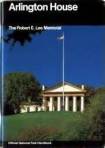
arlington houseArlington House: A Guide to Arlington House, The Robert E. Lee Memorial, Virginia. Although small in size like most NPS handbooks, this publication provides a wealth of information on the history of Arlington House. The publication opens with an introduction of General Lee and Arlington House. It also presents a brief historical account of the house and its occupants, the Custises and the Lees, as well as providing concise information on the house and its grounds.

cultural landscape reportThe National Park Service also published a Cultural Landscape Report about Arlington House in 2001. As stated in the report, “It’s hard to imagine today what the grounds of Arlington House originally looked like because of the graves of Arlington National Cemetery that surround the house. Arlington National Cemetery almost overwhelms Arlington House.” This Cultural Landscape Report and Site History about Arlington House, tells the story of the creation and use of Arlington House and its link to the formation and design of our national cemetery. It compiles in one place the site’s heritage, documents the changes over time, and establishes what is important to preserve. To learn more about Cultural Landscape Reports read A Guide to Cultural Landscape Reports: Contents, Process, and Techniques available from the GPO Bookstore. You can also read Custis-Lee Mansion: The Robert E. Lee Memorial online from the National Park Service, or check out a print copy at a local Federal depository library.custis-lee mansion

National Cemetery Burial Eligibility

Arlington National Cemetery holds about 27 funerals each week. There are several House Committee Reports regarding veterans’ eligibility for burial in Arlington. H.R. 3211 of the 105th Congress, as well as H.R. 3423 from the 107th Congress amended Title 38 of the U.S. Code to modify eligibility of burial in Arlington National Cemetery. You can access hearings, as well as the legislative history for H.R. 3423 and other bills online. You can also visit a Federal depository library for older reports concerning burials, such as a 1921 report before a subcommittee on the Expenses of burial in Arlington Cemetery of an unknown member of the Expeditionary Forces. You can also browse the volumes of “The war of the rebellion: a compilation of the official records of the Union and Confederate armies” for any records of the history of Arlington House and the appropriation of the land by the Federal government after the war. The volumes are available at many Federal depository libraries.

Arlington National Cemetery Memorials

There are many memorials at Arlington National Cemetery commemorating wars, notable military figures, presidents, and service men and women. If you visit a Federal depository library you could check out a copy of “In Remembrance of a Sailor: a shrine to America’s heroes”, a 1990 publication from the U.S. Navy Department. Information about other memorials in the cemetery can be found on the Arlington Cemetery website.

The Tomb of the Unknown Soldier

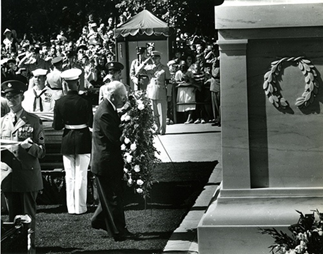
President Dwight D. Eisenhower places a wreath at the Tomb of the Unknown Soldier of World War I during interment ceremonies for the Unknown Servicemen of World War II and the Korean Conflict, at Arlington National Cemetery. Image source: Old Guard

President Dwight D. Eisenhower places a wreath at the Tomb of the Unknown Soldier of World War I during interment ceremonies for the Unknown Servicemen of World War II and the Korean Conflict, at Arlington National Cemetery. Image source: Old Guard

The Tomb of the Unknown Soldier was approved by Congress on March 4, 1921. Details of the act can be found in the Congressional Record from that period. You can visit a Federal depository library to access historic copies of the Congressional Record and view the enabling legislation for the Tomb of the Unknowns. The remains of soldiers from World War I, World War II, and the Korean War lay in state and are honored by The Old Guard. In 1984, the remains of an unknown Vietnam War soldier were interred in the Tomb of the Unknown. A document about this soldier, “The Unknown Serviceman of the Vietnam War Era” was created by the U.S. Army Center of Military History. You can read more about it at a Federal depository library, or online from the HathiTrust. Pictures of the Tomb of the Unknowns can be found on the Old Guard Pinterest Board.

If you’re not in the Washington, DC area to participate in any of the events mentioned in this blog, curl up with these documents and immerse yourself in the history and stories of the men and women who fought for our country and were laid to rest on the grounds of the National Cemetery.

How can I get these publications about the history of Arlington House and Arlington National Cemetery?

Shop Online Anytime: You can buy these and other publications (with FREE Standard Shipping worldwide) from the U.S. Government Online Bookstore website at http://bookstore.gpo.gov:

Order by Phone: You may also Order print editions by calling our Customer Contact Center Monday through Friday, 8 am to 5:30 pm Eastern (except US Federal holidays). From US and Canada, call toll-free 1.866.512.1800. DC or International customers call +1.202.512.1800.

Shop our Retail Store: Buy a copy of any print editions from this collection at GPO’s retail bookstore at 710 North Capitol Street NW, Washington, DC 20401, open Monday–Friday, 9 a.m. to 4 p.m., except Federal holidays, Call (202) 512-0132 for information or to arrange in-store pick-up.

Visit a Federal Depository Library: Search for U.S. Government publications in a nearby Federal depository library. You can find the records for most titles in the Catalog of U.S. Government Publications or CGP.

About the author: Cathy Wagner is an outreach librarian with the Education & Outreach team in the Library Services & Content Management (LSCM) division at the Government Printing Office.

Additional content, images and editing provided by Trudy Hawkins, a writer and marketing specialist in GPO’s Publication & Information Sales Division supporting the U.S. Government Online Bookstore (http://bookstore.gpo.gov).


National Military Appreciation Month: Celebrating Our Troops

May 12, 2014

may military appreciation monthMay is National Military Appreciation Month (NMAM), a time to recognize and celebrate the contributions of the courageous men and women who have served or are currently serving in the United States Armed Forces.

Designated by Congress, NMAM encourages Americans to publicly show their appreciation for the sacrifices—and accomplishments—made by our military personnel. During this important month, Americans have the opportunity to come together to thank our military for their patriotic service in support of our country, at several national events planned throughout the month.

loyalty dayLoyalty Day, which is celebrated May 1 of each year, kicks off our Nation’s month-long celebration of military appreciation. In his proclamation of Loyalty Day, 2014, President Barack Obama reminded Americans of the significance of this important day: “On this day, let us reaffirm our allegiance to the United States of America and pay tribute to the heritage of American freedom.”

Image source courtesy of DOD http://www.defense.gov/afd/

Image source courtesy of DOD http://www.defense.gov/afd/

Other important events honoring our military’s achievements include Victory in Europe (VE) Day celebrated on May 8, Military Spouse Appreciation Day celebrated on May 9, Armed Forces Day celebrated on May 17, and Memorial Day celebrated on May 26. Armed Forces Day and Memorial Day are the best known of the May military-themed holidays. Armed Forces Day, which was created to honor all branches of the U.S. Military, replaced separate Army, Navy and Air Force Days. And Memorial Day commemorates the men and women who died while serving in military service.

A man looks at the Vietnam Veterans Memorial on Memorial Day 2013: Image source nps.gov

A man looks at the Vietnam Veterans Memorial on Memorial Day 2013: Image source nps.gov

In observance of NMAM and the other important events around the country honoring our military this month, Government Book Talk is highlighting several of our bestselling military journals and magazines.

army historyArmy History is published by the U.S. Army Center of Military History (CMH). It is a professional military magazine devoted to informing the military history community about new work on the Army’s history. Issues include illustrated articles, commentaries, book reviews, and news about Army history and the U.S. Army Center of Military History.

naval avaition newsNaval Aviation News is the flagship publication of naval aviation. It covers all aspects of naval air operations. Featured articles review the latest technological advances in aircraft and weapon systems and the influence of U.S. naval air power in global events. Issues include historical profiles of aircraft, aviation ships, important aviators, and organizations that affected the Navy’s control of the air.

military review2As one of the premier military magazines/military journals, Military Review provides a forum for original thought and debate on the art and science of land warfare and other issues of current interest to the U.S. Army and the Department of Defense.

Joint Force Quarterly is designed for national security professionals in and out of the U.S. Government to promote understanding of the integrated employment of land, sea, air, space, and special operations forces. This journal focuses on joint doctrine, integrated operations, coalition warfare, contingency planning, military operations conducted across the spectrum of conflict, and joint force development.joint force quarterly

army al&tArmy AL&T Magazine is a quarterly professional journal published
by the U.S. Army Acquisition Support Center within the Office of the Assistant Secretary of the Army for Acquisition, Logistics, and Technology or AL&T. This official military magazine reports on Army research, development and acquisition and includes articles relative to state-of-the-art technology, capabilities, processes, procedures, techniques, and management philosophy, focusing heavily on lessons learned and best business practices.

How can I get these military magazine/journal publications?

Shop Online Anytime: You can buy these publications (with FREE Standard Shipping worldwide) from the U.S. Government Online Bookstore website at http://bookstore.gpo.gov:
Click here to purchase Army History

Click here to purchase Naval Aviation News

Click here to purchase Military Review

Click here to purchase Joint Force Quarterly

Click here to purchase Army AL&T

Shop our entire Military Journals and Magazines collection

Order by Phone: You may also Order print editions by calling our Customer Contact Center Monday through Friday, 8 am to 5:30 pm Eastern (except US Federal holidays). From US and Canada, call toll-free 1.866.512.1800. DC or International customers call +1.202.512.1800.

Shop our Retail Store: Buy a copy of any print editions from this collection at GPO’s retail bookstore at 710 North Capitol Street NW, Washington, DC 20401, open Monday–Friday, 9 a.m. to 4 p.m., except Federal holidays, Call (202) 512-0132 for information or to arrange in-store pick-up.

Visit a Federal Depository Library: Search for U.S. Government publications in a nearby Federal depository library. You can find the records for most titles in the Catalog of U.S. Government Publications or CGP.

About the author: Trudy Hawkins is a writer and marketing specialist in GPO’s Publication & Information Sales Division supporting the U.S. Government Online Bookstore (http://bookstore.gpo.gov).


Childhood Immunization: Protecting Our Children from Disease

April 29, 2014

National-Infant-Immunization-Week-2014The week of April 26-May 3 is National Infant Immunization Week and it is also the 20th anniversary of this observance. Vaccinations are becoming a more controversial topic among parents, doctors and schools. The New England Journal of Medicine suggests that the recent anti-vaccination movement is leading to an outbreak of whooping cough and the measles in some states.

A couple looks at Infant Care pamphlet at GPO Bookstore: GPO Archives.

A couple looks at Infant Care pamphlet at GPO Bookstore: GPO Archives.

Before you could Google information on vaccinations and family healthcare topics and have every answer at your fingertips, government publications were the go-to source for consumer information. This former trend is evident in the fact that a pamphlet entitled Infant Care is still to this day considered GPO’s all-time best seller. Infant Care was first published in 1914 by the Children’s Bureau and provided mothers with information in a low-cost form on how to care for their babies. (Read more about the history of the Children’s Bureau in The Children’s Bureau Legacy: Ensuring the Right to Childhood (ePub eBook) available on the U.S. Government Bookstore.) Over the course of seven decades it remained a bestseller with multiple editions published and translations in eight languages as well as Braille.

Excerpt on Vaccination from Infant Care pamphlet

100 years ago, this was the advice on vaccination of infants. Excerpt from 1914 Infant Care pamphlet.

The original Infant Care pamphlets can be seen on this archive. However, Vaccines for Children (VCF), a federally funded program handled by the Centers for Disease Control and Prevention (CDC) provides no-cost vaccine services to help ensure that all children, from infancy to adolescent, have a better chance of getting their recommended vaccinations.

Image source courtesy of CDC http://www.cdc.gov/features/vfcprogram

Image source courtesy of CDC http://www.cdc.gov/features/vfcprogram

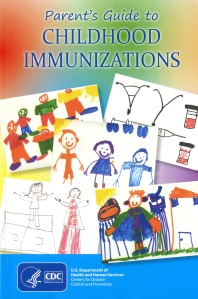
Like Infant Care, the government still has helpful publications to help parents and the public make health-related decisions. Parent’s Guide to Childhood Immunizations and Immunization Tool Kit are just two of the many government publications available on the immunization and vaccination topic.

017-022-01617-6Parent’s Guide to Childhood Immunizations is kind of like a “vaccinations for dummies.” It is a great resource that explains each disease, the vaccinations schedule, what to do before, during and after the immunization doctor visit, how vaccines work, other FAQs and additional print and electronic resources. The most helpful part of this booklet is the breakdown of each disease with information on what causes the disease, how it is spread, the signs and symptoms and complications. To brighten up what can be a scary subject, the booklet includes colorful child artwork.

immunization-tool-kitImmunization Tool Kit focuses on adult, military and childhood immunizations. This resource is made up of laminated 4X6 color coded cards held together by a ring for fast flipping making it durable and likely intended for military or health care providers, people who need a quick reference on the job. The cards are organized by immunizations for adults and the military and children with detailed information about each vaccine including a dosage, indications or who should get the vaccine, contraindications or reasons why someone should not be vaccinated and special considerations. Some of the cards have amusing caricatures of what the diseases look like. For medical personnel, there is a section on the storage and handling instructions of each vaccine. While the amount of information may seem overwhelming, the toolkit will be able to answer all or any question about vaccines.

HOW DO I OBTAIN THESE PUBLICATIONS ON VACCINATION?

Shop Online Anytime: You can buy these publications (with FREE Standard Shipping worldwide) from the U.S. Government Online Bookstore website at http://bookstore.gpo.gov:

Order by Phone: You may also Order print editions by calling our Customer Contact Center Monday through Friday, 8 am to 5:30 pm Eastern (except US Federal holidays). From US and Canada, call toll-free 1.866.512.1800. DC or International customers call +1.202.512.1800.

Shop our Retail Store:Buy a copy of any print editions from this collection at GPO’s retail bookstore at 710 North Capitol Street NW, Washington, DC 20401, open Monday–Friday, 9 a.m. to 4 p.m., except Federal holidays, Call (202) 512-0132 for information or to arrange in-store pick-up.

Visit a Federal Depository Library:Search for U.S. Government publications in a nearby Federal depository library. You can find the records for most titles in the Catalog of U.S. Government Publications or CGP.

About the author: Our guest blogger is Emma Wojtowicz, Public Relations Specialist in GPO’s Office of Public Affairs. 

Additional content, images and editing provided by Trudy Hawkins, a writer and marketing specialist in GPO’s Publication & Information Sales Division supporting the U.S. Government Online Bookstore (http://bookstore.gpo.gov).


Stop Me If You’ve Heard This One… a Top Ten List of Funny Federal Titles

April 1, 2014

A few weeks ago, Jennifer Davis’ supervisor delivered a challenge to her via email: write a story about humorous government document titles for April Fool’s Day. (Read various stories about the origins of April Fool’s Day here, here and here.) April Fool’s humor has had a long history with American Government, dating back to Founding Father Benjamin Franklin (read caption below).

Benjamin Franklin wearing an ostentatious fake moustache for April Fool's Day

According to news humor site “Weekly World News”, the American founding father of April Fool’s Day was Benjamin Franklin. Since Franklin, April 1st has been synonymous in America for a day of practical jokes and general mischief. Tales of his exploits were published in the Philadelphia Gazette on the 1st of April every year. For example, says the site, he was known to give entire public speeches on April 1 wearing an ostentatious fake moustache. 😉 Can you believe it? (Image courtesy of Weekly World News.)- M. Bartram

Says Jennifer: “I love reading government documents for their data and their fascinating stories, but I usually wouldn’t consider them to be laugh-out-loud funny. Or as a colleague said, “They’re not Abbott and Costello funny”. But everyone’s got to laugh some time, right? And when I searched GPO’s Catalog of U.S. Government Publications (CGP), and picked my colleagues’ brains, I found that Uncle Sam sometimes gets his chuckles, too. I found more titles than these ten—but I want to save some for another occasion. There have been a few other lists of humorous government documents, not all of them Federal titles, circulating around the Internet, and so I’ve tried to keep this list as unique as possible.”

(If you like the topic of this column, you should visit the Washington State University’s exhibit, The Lighter Side of…. The Government Printing Office, which runs through June 28, 2014.)

[Michele Bartram Editor’s Note: Over the years, Government Book Talk has also highlighted some funny Federal publication titles within previous blog posts including: Society through a Comic Lens, The Nuttall Tick CatalogueDr. Seuss, U.S. Army, Sprocket Man!War Games, and Ponzimonium. You’ll chuckle over the odd, quirky, ironic or inadvertently funny titles of the books mentioned!]

All of these titles in this blog post have records in GPO’s Catalog of U.S. Government Publications, and you might be able to find a copy in your local Federal depository library, or find one at your regional library. Click here for a list of Federal Depository Libraries (the Federal Depository Library Directory or FDLD). Since many of these Government documents —books, posters, pamphlets and PDFs— are older than five years, you might have to search a bit to find a copy. When available, we have provided links for the electronic version of these titles.

Below is the list of Top 10 funniest titles that Jennifer provided, along with additional details about each.

TOP 10 FUNNIEST TITLES

Gobbledygook_has-gotta-go_green-cover1) Gobbledygook has Gotta Go. This Bureau of Land Management title about the problems with Government writing is a classic, and a precursor to the “Plain Language” initiative today to simplify the wording in communications. It has been cited in several collected lists of funny titles, and it’s the only time I cheated and included it in my list anyway.  Gobbledygook is just such a great word to say, and the alliteration makes the title even funnier. You can read a scanned copy of this book here.

2) Preparedness 101: Zombie Pandemic. All of our GPO office mates agree: this comic has got to be the most fun Federal government document to date.  The CDC was smart and exploited the current interest in zombies, and made an emergency preparedness checklist into a comic on preparing for the “zombie pandemic”. In this comic, the scientists of the CDC are the superheroes, isolating the virus “Z5N1” and developing a vaccine in record time, while the locals develop a checklist of emergency supplies so they can stay inside their home. Just the title alone is enough to make you smile—and it gets its point across. You can read the entire publication online here.

cdc-preparedness-101-zombie-pandemic

3) This is a Dumb Bunny. I love the idea of the Federal government calling someone a “dumb bunny”. Even if the document it is quite literally the image of a rabbit, which spoils some of the fun, I am still tickled by the idea of a snarky Uncle Sam. The poster’s actually about smoking cessation.

"This is a dumb bunny!" anti-smoking 1970s poster from the U.S. Department of Health, Education and Welfare

4) Safety is as Stupid Does!!  I know what the goal was with this title. The poster (seen on the University of Iowa Digital Library) makes it clear to the intended audience of military personnel that not thinking hurts safety on the job. However, I think the title missed the mark. It’s funny in its own right.

Safety-is-as-stupid-does_DOD-poster

5) Do Mandrakes Really Scream?  A colleague of mine is a huge Harry Potter fan. She said cataloging this title was the pinnacle of her career. It’s the online exhibition catalog of an National Library of Medicine (NLM) History of Medicine exhibit relating NLM’s historical holdings and the magic and medicine of Harry Potter.

If you read the Harry Potter series, you’ll know what the title is referring to. If you haven’t read the series, check out this free exhibit first; you might find yourself diving into the book series afterwards.

National Library of Medicine NLM "Do Mandrakes Really Scream? Magic and Medicine in Harry Potter" website

6) USDA Saves French Donkey.  The title of this mid-1980s US Department of Agriculture publication just speaks for itself.

[Editor’s note: Probably the publication refers to this 1985 story reported in the Los Angeles Times about a rare 7-month-old curly haired French Poitou donkey named Sonette at the San Diego Zoo: Rare Donkey Passes Test, Can Stay Here”]

French Poitou donkey has dreadlocks that need a haircut

The rare French Baudet du Poitou donkey breed is born with curly hair that naturally grows into long dreadlocks as an adult. This one hasn’t had a haircut in 17 years! (Source: The Telegraph – UK)

7) Self-Motion Perception and Motion Sickness: Final Report for the Project  NASA’s report on a motion sickness project makes me want to just… stop… moving! Read about it on NASA’s website.

NASA-astronauts-with-motion-sicknessAbove: NASA astronauts in zero gravity try to fend off the effects of motion sickness.  To learn more about motion sickness, watch this 3-minute TED Talk animated video about “The Mystery of Motion Sickness.”

America the Beautiful: A Collection of the Nation's Trashiest Humor with comic strips about solid waste or trash8) America the Beautiful: Collection of the Nation’s Trashiest Humor. Not only is the title funny, but the book’s content promises humor as well. This is publication number 2048 of The U.S. Department of Health, Education, and Welfare, originally published in 1970. The book consists of thirty comics, from the funny pages like B.C., and some from the editorial pages of publications from the New Yorker to the Cleveland Plain Dealer, all focusing on the problem of waste disposal. You can read the publication in its entirety online at the EPA’s website.

9) French Meadows: Hell Hole Recreation Areas. Although the area is really quite lovely, there’s a problem with image marketing in this U.S. Forest Service tourism brochure.

French-Meadows-Hell-Hole-Reservoir

Poster for The Vampire Bat movie starring Fay Wray10) Controlling Vampire Bats.  This serious US Agency for International Development publication about controlling the spread of rabies through these creatures nevertheless evokes shades of Tippi Hedren… Don’t you get a mental picture of people running down the street away from the bats, waving their arms over their heads and screaming, à la The Birds? Or Fay Wray being controlled by an evil vampire in bat form in the movie “The Vampire Bat” (movie poster image at the right)? Maybe I’ve read too many zombie comics.

How can I find these funny-titled Federal publications?

In addition to clicking on the links in the article above to find the publications, you may find these publications from the following:

  • Visit a Federal Depository Library: Search for U.S. Government publications in a nearby Federal depository library.
  • Visit a Public Library: Ask your local public librarian about Federal Government books available to check out as well as Federal eBooks that may be available for library patrons to digitally download through the library’s Overdrive subscription.

And to find popular current Federal publications, you may:

  • Shop Online Anytime: You can buy eBooks as well as print publications (with FREE Standard Shipping worldwide) from the U.S. Government Online Bookstore website at http://bookstore.gpo.gov
  • Order by Phone: You may also Order print editions by calling GPO’s  Customer Contact Center Monday through Friday, 8 am to 5:30 pm Eastern (except US Federal holidays). From US and Canada, call toll-free 1.866.512.1800. DC or International customers call +1.202.512.1800.
  • Shop our Retail Store: Buy a copy of any print editions at GPO’s retail bookstore at 710 North Capitol Street NW, Washington, DC 20401, open Monday–Friday, 9 a.m. to 4 p.m., except Federal holidays, Call (202) 512-0132 for information or to arrange in-store pick-up.

About the author: Adapted and expanded by Michele Bartram, Government Book Talk Editor and Promotions Manager for GPO’s Publication and Information Sales Division in Washington, DC, from an original post by Jennifer K. Davis, formerly from GPO’s Library Services & Content Management Division that supports the Federal Depository Libraries Program (FDLP).

Have a fun and funny April Fool’s Day!