 Protecting your family from household lead is one of the most vital steps you can take for their long-term health. If your home was built before the late 1970s, toxic lead-based paint could be lurking beneath years of modern paint layers.
Lead is a heavy metal that poses severe risks—especially to children under six. According to the Environmental Protection Agency (EPA), lead exposure can cause permanent cognitive impairments, learning difficulties, and damage to the nervous system and kidneys.
Common Lead Sources in the Home
- Pre-1978 Paint: Older homes often contain hidden lead-based paint layers that peel, flake, or create toxic dust.
- Pre-1986 Plumbing: Older pipes, solder, and fixtures can leach lead directly into your drinking water.
- Contaminated Soil: Soil around home foundations often collects lead from exterior paint chips or historical vehicle emissions.
- Imported Goods: Certain traditional medicines, antique toys, cosmetics, and imported glazed cookware can still contain lead.
Protect Your Family from Lead in Your Home from the EPA provides important information on protecting your family from lead. This easy-to-read booklet highlights the dangers of lead from paint, dust, and soil in and around your home, which can be dangerous if not managed properly. For example, children who seem healthy may have dangerous levels of lead in their bodies. The EPA recommends testing children for lead levels even if they appear healthy. Also, disturbing surfaces with lead-based paint or improperly removing it can increase the risk to your family. (The Spanish version is available here.
Taking proactive steps today ensures a safe, healthy living space for your family tomorrow.
The GPO Online Bookstore – Easy Access to Federal Publications
HOW DO I OBTAIN THIS RESOURCE?
Sign up to receive promotional bulletin emails from the US Government Online Bookstore.
Shop Online Anytime: You can buy a vast majority of eBooks or print publications —with FREE Standard Shipping worldwide— from the U.S. Government Online Bookstore at https://bookstore.gpo.gov.
- Click here to purchase Protect Your Family From Lead In Your Home
- Click here to purchase Proteja A Su Familia Contra El Plomo En El Hogar
- Click here to purchase The Lead-Safe Certified Guide to Renovate Right
Order by Phone: Call our Customer Contact Center Monday through Friday, 8 am to 4:30 pm Eastern (except US Federal holidays). From the US and Canada, call toll-free 1.866.512.1800. DC or International customers call +1.202.512.1800.
Visit a Federal depository library: Search for U.S. Government publications in a nearby Federal depository library. You can find the records for most titles in GPO’s Catalog of U.S. Government Publications.
Find more than a million official Federal Government publications from all three branches at www.govinfo.gov.
About the author: Blogger Trudy Hawkins is the Senior Marketing & Promotions Specialist in GPO’s Publication & Information Sales Office, supporting the U.S. Government Online Bookstore (https://bookstore.gpo.gov).


 Posted by Trudy Hawkins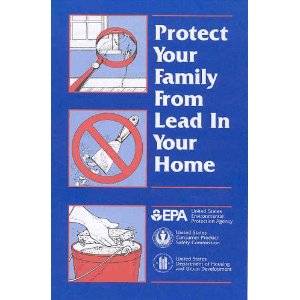

 govbooktalk
 Trudy Hawkins
